


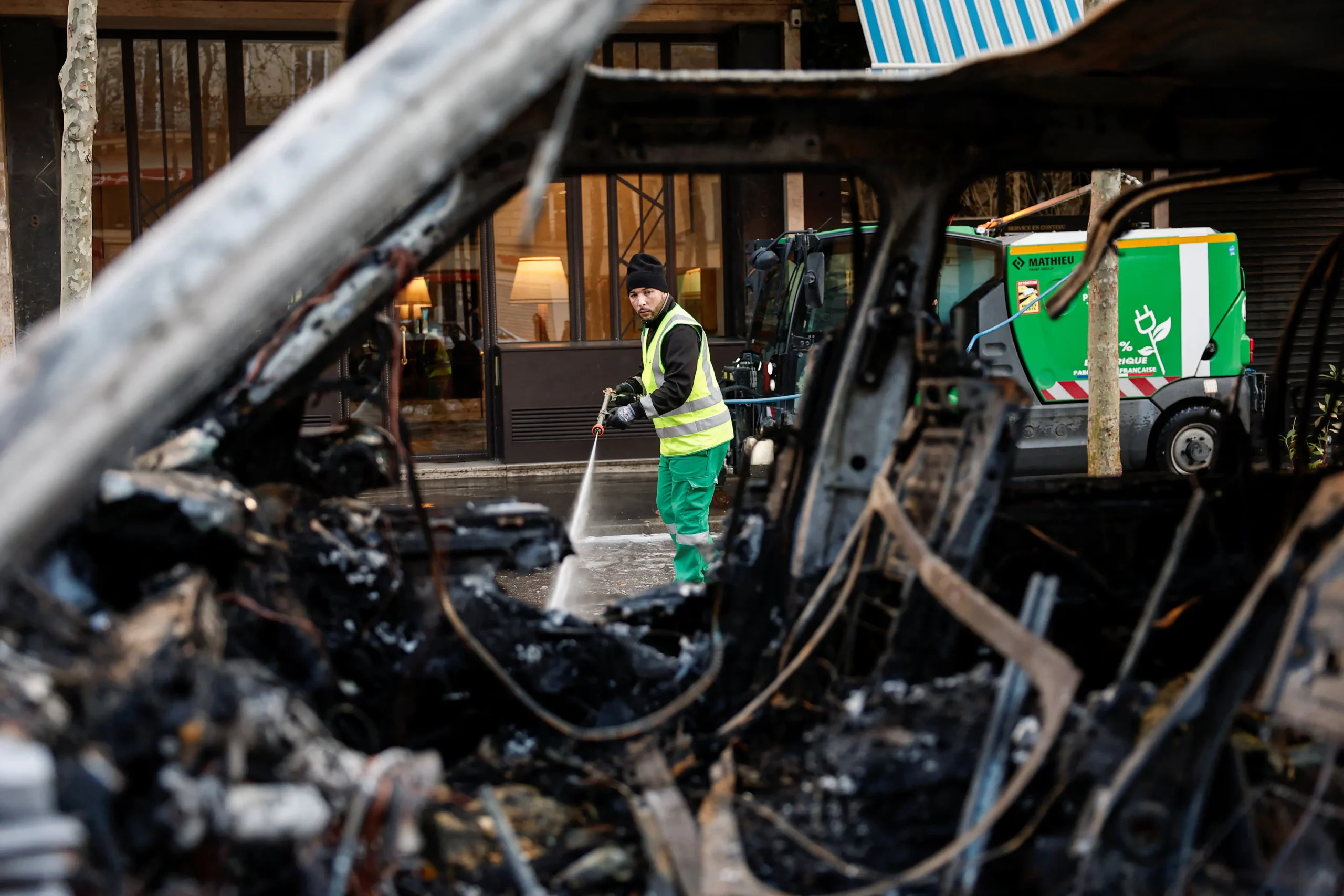
France faced a difficult recovery on Sunday after protests over rising living costs and public services turned violent in several cities. Demonstrations that began with concerns about school conditions and teacher shortages grew into a wider expression of public anger. While many people joined peaceful marches, groups of demonstrators clashed with police, damaged buildings and looted shops.
The protests drew large crowds across the country, including Paris, Marseille, Bordeaux and Limoges. Authorities reported extensive damage and a high number of arrests. Police officers were injured, and one protester died after suffering cardiac arrest in Paris. The events have raised fresh concerns about public safety and the ability of authorities to manage large demonstrations.
The movement began with students who were unhappy with conditions in schools, particularly in working-class areas. Their complaints attracted support from trade unions and people concerned about the cost of everyday life. Demands included better wages, stronger public services and action to ease financial pressure on households. Over time, the protest became a broader challenge to the government’s economic and social policies.
President Emmanuel Macron condemned the violence and said those responsible should face prosecution. Prime Minister Sébastien Lecornu blamed radical groups and criminals for turning demonstrations into disorder. Local officials have also called for a response to the damage, while clean-up work began in affected areas.
The unrest comes at a sensitive time for the government, with political pressure building ahead of the next presidential election. The scale of the protests shows that anger over living costs and public services remains strong. However, violence and looting may also divide public opinion and weaken support for the wider movement.
Authorities now face two tasks: restoring order and responding to the concerns that brought people into the streets. Arrests and repairs may address the immediate damage, but they will not resolve the underlying debate over wages, education and public spending. The government’s next decisions could shape whether the protests fade or lead to further unrest.
