


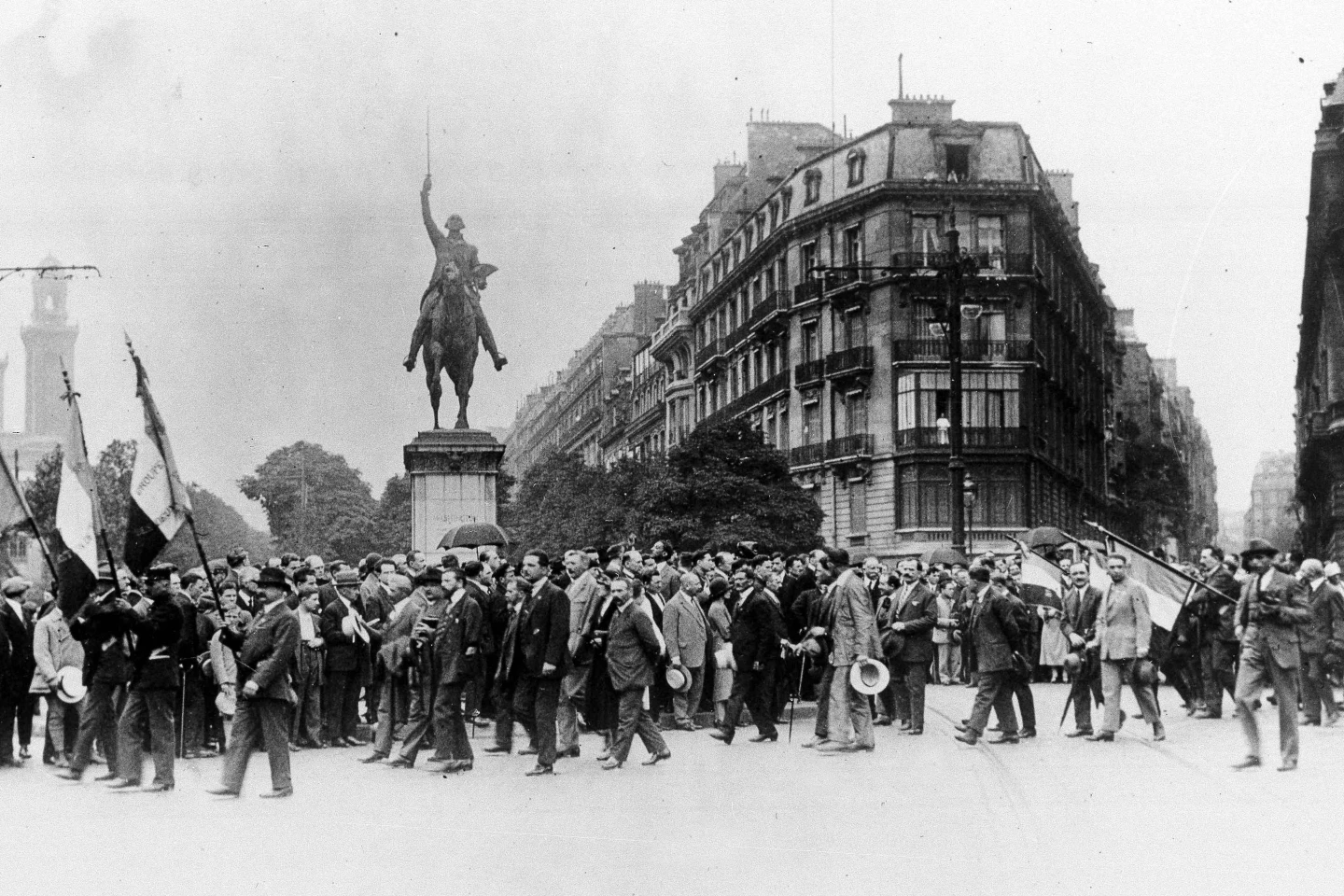
Public protest has long played a major role in French life. From marches against fuel taxes to strikes by workers, people often take to the streets to make their views heard. But a wave of violent unrest this month has renewed debate over where peaceful protest ends and public disorder begins. The latest clashes have raised questions about the right to protest, the duty of the state to keep order, and the causes of public anger.
France has a deep history of street action. Workers, farmers, students, and public service staff have all used protests to push for change. Large marches can bring national issues into focus and place pressure on leaders to act. In many cases, protest is seen as a key part of public life rather than an unusual event. It allows people to show their views when they feel that normal channels have failed.
The recent unrest, however, has been marked by serious violence. Rioters have clashed with police, set cars on fire, damaged public buildings, and looted shops. At least 2,400 people were arrested on one Saturday alone, according to reports published on October 21. The scale of the disorder has raised fears that violent acts could overshadow the aims of peaceful marchers.
The reasons for public anger include rising living costs and poor conditions in schools. These concerns affect daily life in direct ways. When rent, food, fuel, and other costs rise, families have less money to spend on other needs. When schools lack good facilities or enough support, parents and students may feel that their future is at risk. Such concerns can turn into wider anger when people believe leaders are not listening.
Yet the causes of protest do not excuse violence. Shop workers, local residents, and public staff can suffer when streets are damaged or businesses are forced to close. Small firms may lose days of trade. Families may avoid public spaces because they fear clashes. Emergency workers may face greater risks while trying to help people. These effects can harm the same communities whose concerns helped drive the protests.
Police action has also become part of the debate. The authorities must respond when people are attacked or buildings are set on fire. But the use of force can create new concerns if people believe that peaceful protesters are being treated as criminals. Curfews and mass arrests may help limit violence, yet they can also increase tension if they are seen as unfair or too broad.
France now faces the challenge of protecting both public safety and civil rights. Peaceful protest must remain possible, while people who commit crimes must face fair legal review. Leaders also need to address the social problems that have helped fuel anger. A response based only on arrests may not resolve the issues behind the unrest. At the same time, public debate must make clear that peaceful protest and violent attacks are not the same.
The events are a reminder that protest can be both a tool for change and a source of strain when violence takes over. France’s strong protest tradition is likely to continue, as people use public action to express their views. The question now is how leaders, police, and communities can protect that right while keeping streets safe. The answer will depend on fair policing, open debate, and serious efforts to address the cost of living and the state of public services.
