


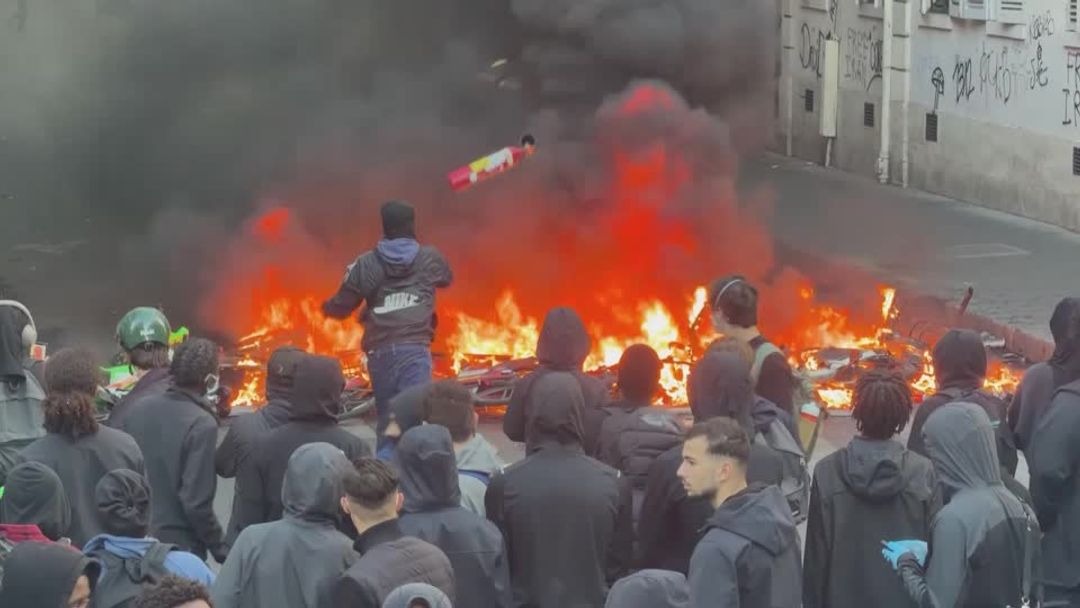
France is facing a growing political challenge as protests over fuel prices and living costs spread across the country. Demonstrations that began with complaints about schools and public services have developed into a wider expression of anger. Many people say that rising costs have made daily life harder, while the government has struggled to restore confidence.
The unrest has created an opportunity for populist political groups. Marine Le Pen and other figures on the far right have used public frustration to criticise the government and call for lower energy costs. They argue that established parties have failed to protect ordinary families from rising prices. Their message could become more important as France moves towards its 2027 presidential election.
Energy costs are a major concern for French households. Many workers depend on cars to reach their jobs, especially in areas where public transport is limited. Higher fuel prices can reduce the money available for food, rent and other basic needs. Small businesses also face greater expenses when they transport goods or provide services.
The political effect of the protests may extend beyond France. Similar demonstrations have been reported in other European countries, where people are angry about inflation, public services and the cost of living. These events have given populist groups a chance to argue that mainstream leaders have failed to respond to ordinary citizens.
However, the protests do not mean that every demonstrator supports the far right. People have joined for different reasons, including education, household costs and concerns about public safety. Political parties may benefit from the unrest, but they still need to persuade voters that their plans can solve the problems behind it.
The government faces a difficult task. It must protect public safety and prevent further violence while also responding to the concerns that brought people into the streets. A strong police response may restore order in the short term, but economic pressure could continue unless people see practical improvements.
France’s political debate is therefore moving beyond the immediate question of public order. The government’s handling of living costs, energy prices and public services may shape how voters judge its performance. The coming months will show whether the unrest creates lasting political change or fades as conditions improve.
