


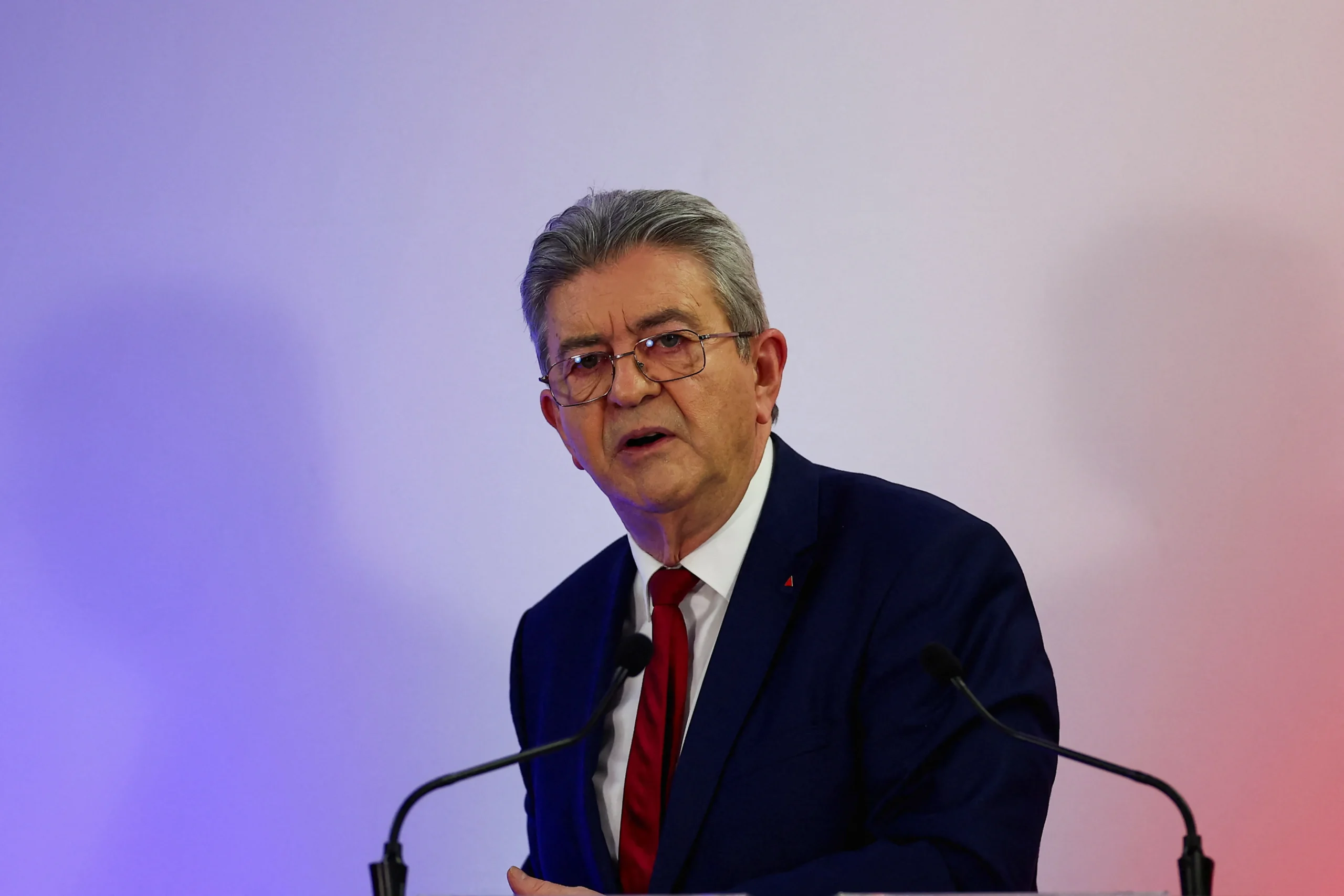
Jean-Luc Mélenchon is preparing for another campaign for the French presidency, seeking to build support among younger voters and residents of working-class communities. At 75, the veteran left-wing politician is making his fourth attempt to reach the Élysée Palace, with the next presidential election expected to bring a major contest between France’s established political forces.
Mélenchon has built his political identity around a promise to reshape the French state and give citizens greater influence over national decisions. His proposals include a new constitution, stronger public control over key policies and greater powers for voters to challenge laws and remove presidents. He has also called for lowering the voting age and reducing the retirement age to 60.
Economic policy is another central part of his programme. He wants higher taxes on wealthy people and a different approach to the distribution of national wealth. His supporters argue that these measures would give ordinary households a stronger position and help reduce economic inequality. Critics, however, question how the proposals would affect public finances and business confidence.
Foreign policy could become one of the most controversial parts of his campaign. Mélenchon has argued that France should leave NATO’s military command. Such a move could create tension with European allies and raise questions about France’s role in international security. It could also affect how investors view the country’s political and economic direction.
His campaign is taking shape during a period of public unrest. Protests over living costs, employment prospects and public services have created an opportunity for political leaders who promise major changes. Mélenchon has supported parts of the protest movement, particularly demonstrations involving students and younger people.
However, his strong political style also creates challenges. Supporters see him as a determined opponent of the far right and an advocate for people who feel ignored by traditional parties. Opponents accuse him of being too confrontational and question some of his positions on international affairs.
A possible contest with Marine Le Pen could become a defining moment for France. Mélenchon hopes to reach the final round, but political analysts warn that a divided centre-left could make it harder for him to defeat the far right.
His candidacy may therefore influence not only the presidential race but also the future direction of the French left. The campaign is likely to focus on the economy, public services, immigration, national identity and France’s place in the world.
