


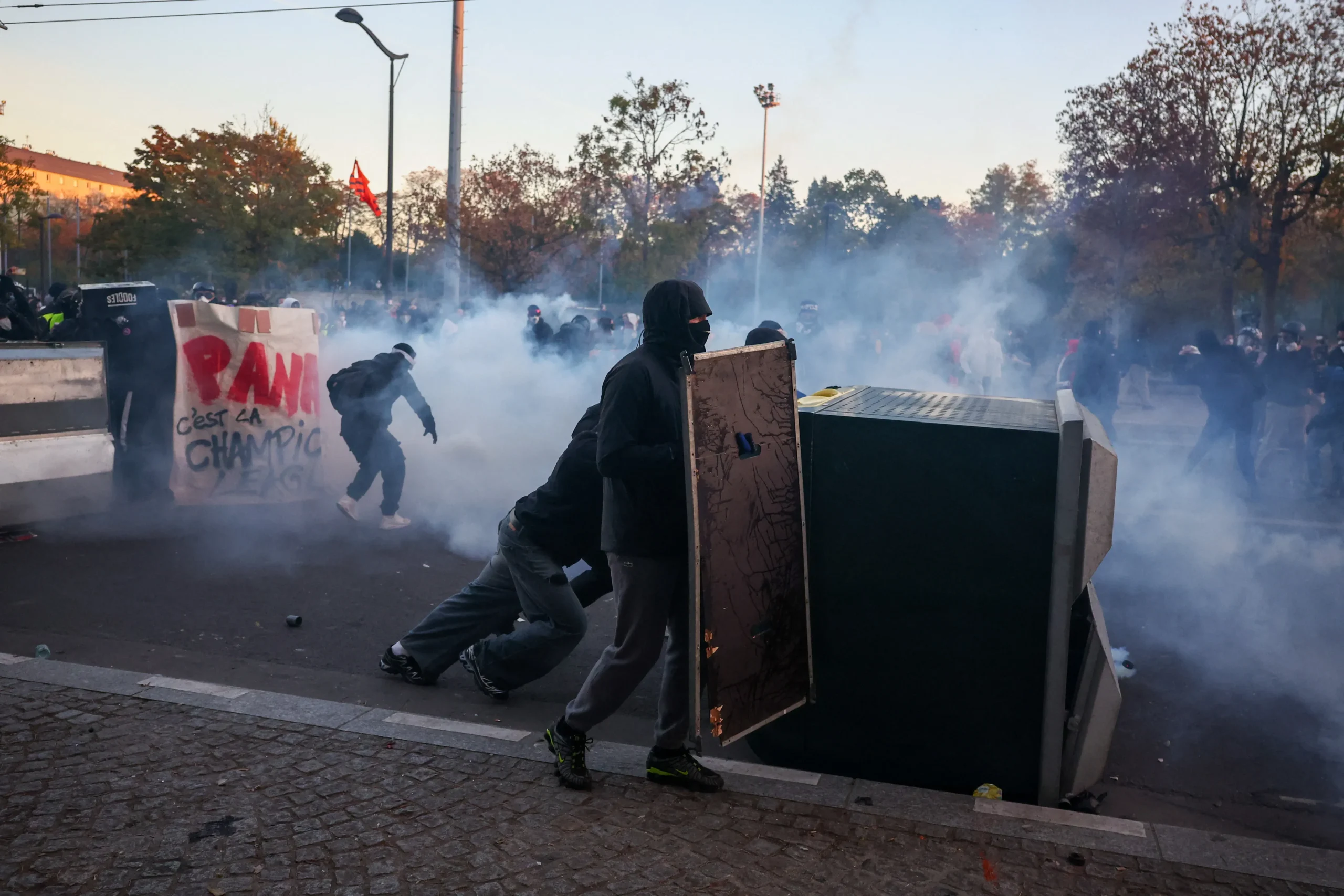
French Prime Minister Sébastien Lecornu has opened a new round of talks with trade unions, business leaders and other groups as the government faces growing public pressure over the cost of living. The discussions began on Monday, November 9, and are part of an effort to respond to protests that have spread across France in recent weeks.
The talks are focused on wages, household spending and the future of public services. Many workers and families say their incomes are not keeping pace with the cost of daily life. Trade unions have called for stronger action from the government, particularly through higher minimum wages and better protection for people facing rising expenses.
The latest demonstrations attracted around 146,000 people on Saturday, according to figures cited in the report. Although this was lower than the turnout recorded during Thursday’s protests, campaigners say the movement remains active. They argue that public frustration has deeper roots, including concerns about employment opportunities for young people, access to public services and the country’s political direction.
The government is under pressure to show that the meetings will produce practical results. Labour Minister Jean-Pierre Farandou has indicated that a minimum-wage increase could be considered. However, he has also warned that a large rise could affect employment. One proposal discussed by unions would raise the net monthly minimum wage to around €1,700, a significant increase from the current level.
Business groups are expected to argue that companies also face financial pressure. Employers must deal with operating costs, taxes and uncertain economic conditions. The government therefore faces the difficult task of improving workers’ incomes without placing excessive pressure on businesses or public finances.
The political situation makes the talks especially important. France is approaching another presidential election, and the cost-of-living debate is becoming a major campaign issue. Political groups on the left, right and centre are seeking to present their own solutions to voters.
Lecornu’s government hopes that dialogue will reduce tensions and prevent the protests from growing further. However, unions have warned that they will continue to put pressure on the administration if the discussions fail to deliver meaningful changes.
The coming days will show whether the meetings can produce an agreement on wages and purchasing power. For many French households, the main question is whether the government’s response will lead to a noticeable improvement in everyday life.
