


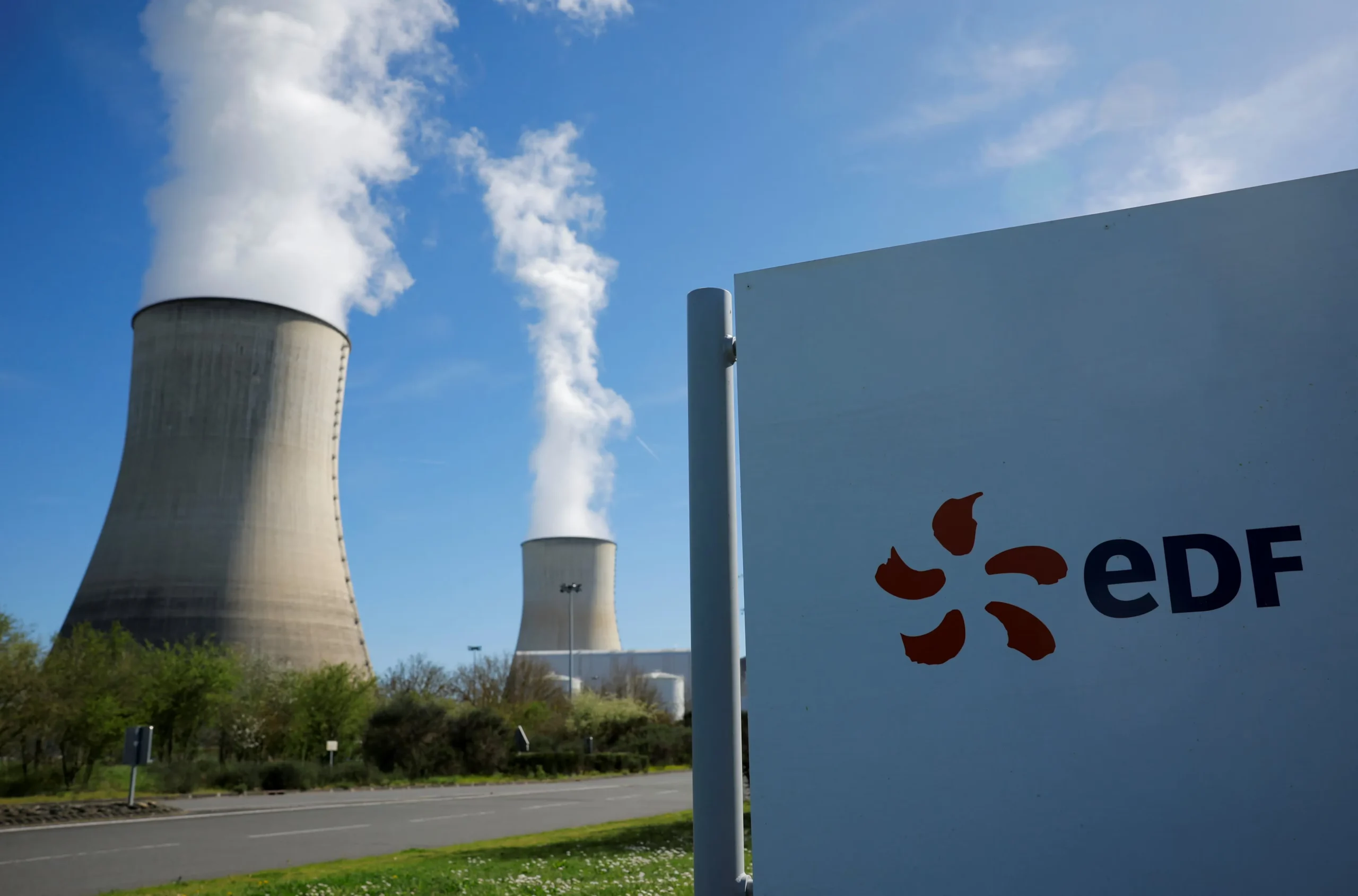
France’s plan to build six new nuclear reactors could face serious financial pressure if electricity prices remain too low, according to a report from the country’s public audit body. The warning concerns state-owned energy company EDF, which is preparing to make a major investment decision on the programme in the coming weeks. The project is a central part of France’s long-term energy strategy, but auditors say the company may struggle to finance construction, maintenance and operating costs without stronger revenues or additional government support.
The planned programme involves six new EPR2 nuclear reactors. Its estimated cost was initially set at €72.8 billion in 2020 prices, but the Court of Auditors calculated that the amount would rise to approximately €84 billion when measured in 2025 values. The first reactors are expected to begin commercial operations from 2038. This long construction period means EDF must prepare for years of spending before the new facilities begin generating electricity and bringing in revenue.
The report identifies wholesale electricity prices as a major factor in the project’s financial outlook. If prices fall below €70 per megawatt-hour, EDF’s financing gap could increase significantly. The auditors warned that the company’s long-term nuclear projects already expose it to substantial financial risks. Under certain scenarios, the French government could have to give up around €65 billion in cash profit payments between 2026 and 2040 to prevent EDF from running out of funds during construction.
Recent market prices have also raised questions about the revenue EDF may receive in the coming years. Electricity contracts for delivery in 2028 and 2029 were trading below the level identified by auditors as important for the project’s financial stability. Although prices for 2027 remained higher, the report suggested that the recent increase in energy costs linked to disruptions in the Strait of Hormuz and low European gas storage levels may not last. France now faces a difficult decision: protect its nuclear expansion plans while ensuring that the financial burden does not become too heavy for the state-owned company or public finances.
