


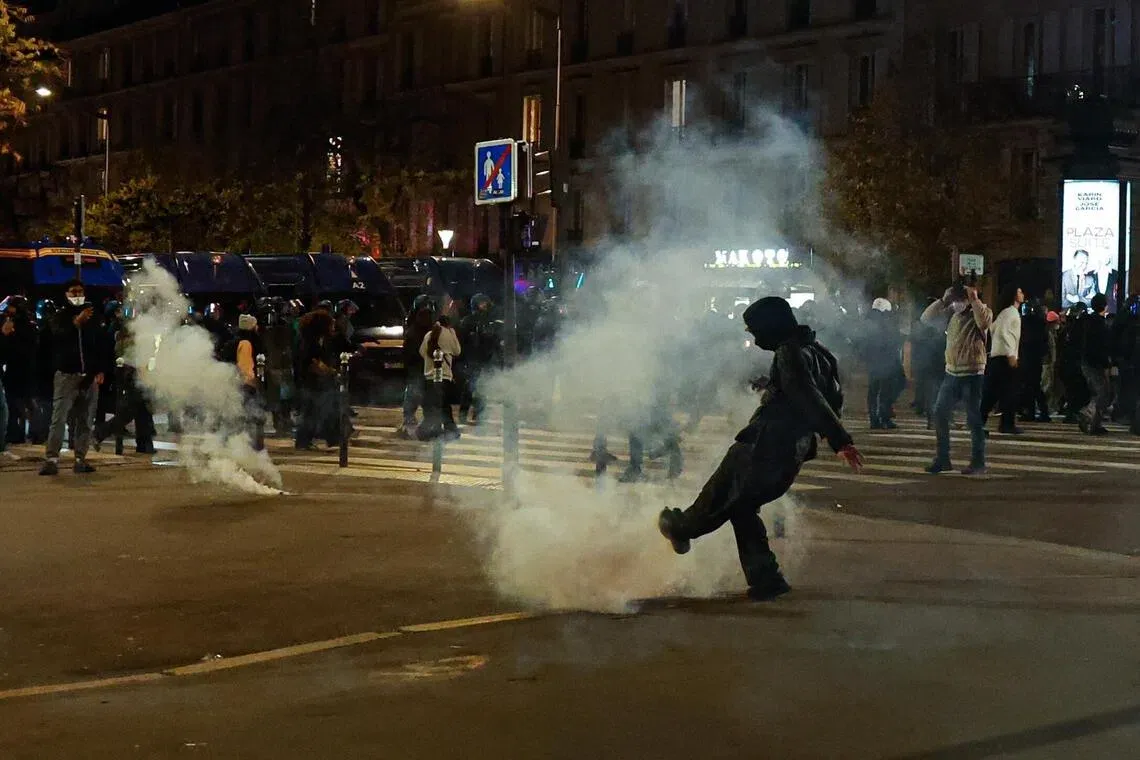
France is preparing for another wave of public demonstrations as trade unions call on public sector employees to take part in a nationwide strike over wages and working conditions. The action is expected to bring large crowds into the streets of Paris and other French cities, adding pressure on the government as it struggles to ease tensions with workers. Unions say public employees have faced years of declining purchasing power and believe the latest discussions with the government have failed to provide a meaningful response to their concerns.
The dispute intensified after talks between union representatives and Prime Minister Sébastien Lecornu on November 13 ended without an agreement. Public sector workers are demanding broader salary increases after the government recently approved a rise in the minimum wage for private-sector employees. Union leaders argue that public employees should not be left behind, especially as household expenses and living costs continue to place pressure on workers. They estimate that public servants have lost around 16 percent of their purchasing power since 2017.
The planned action could involve hundreds of thousands of workers across the country. Estimates suggest that between 220,000 and 300,000 people could take part in demonstrations and related strike activities nationwide. In Paris, organisers expect tens of thousands of protesters to gather. The demonstrations are likely to affect public services, transport and other government-related operations, depending on the level of participation.
The government has attempted to reduce tensions but has ruled out a general public-sector pay rise for the fourth consecutive year. This position has become a major point of disagreement with unions, which say workers cannot continue absorbing the effects of rising costs without stronger wage protection. The strike is therefore becoming a wider test of the government’s ability to manage public-sector relations while controlling state spending.
