


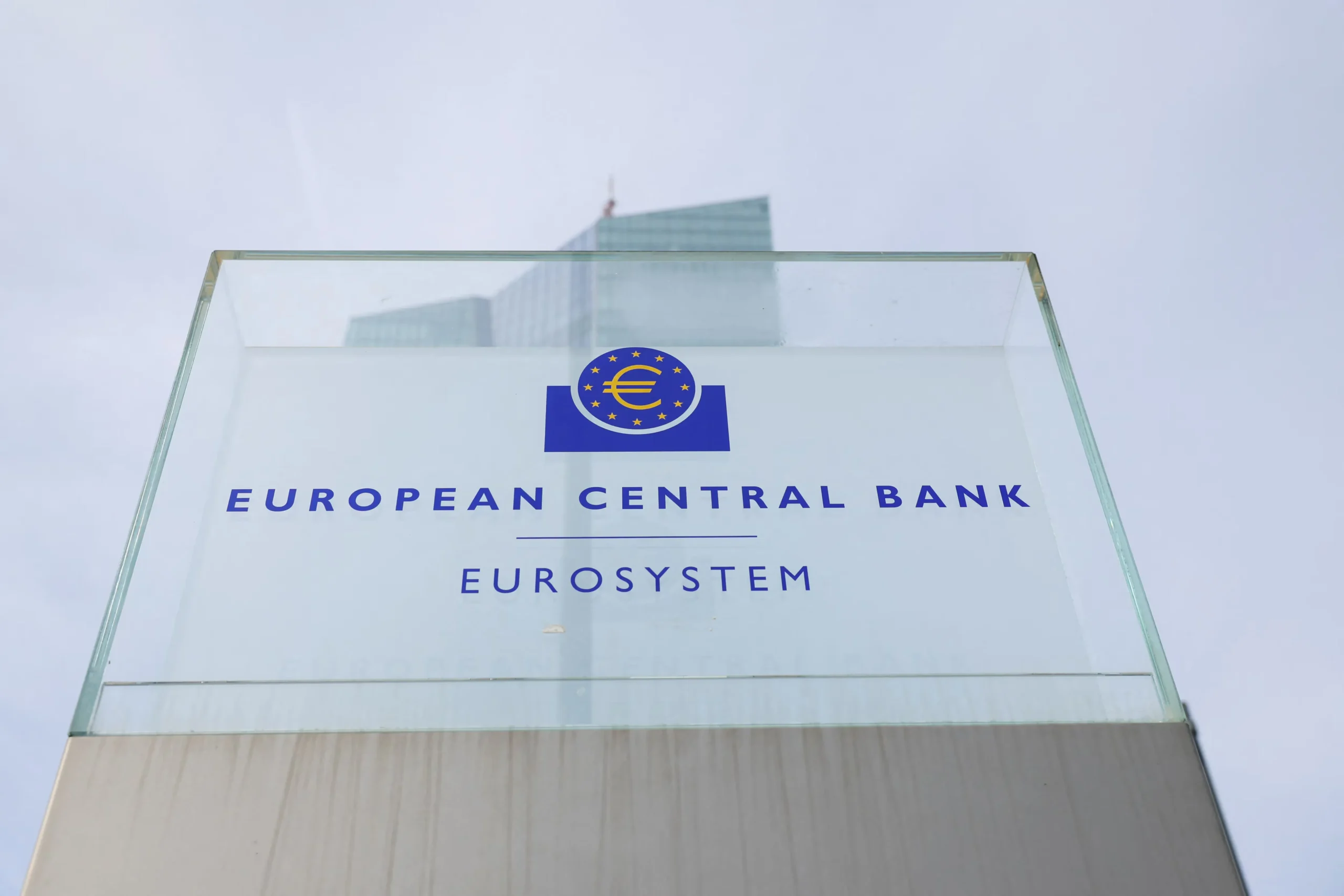
The European Central Bank has warned that France and other heavily indebted countries must take stronger action to control public spending. In its latest Financial Stability Review, published on November 18, the ECB argued that financial markets can encourage governments to adopt more responsible economic policies. The institution said investors may demand higher borrowing costs when governments fail to manage their finances carefully, creating pressure for changes in national budget policies.
France has become a particular concern because political uncertainty has made it harder for the government to agree on spending reductions. Investors are demanding higher returns to lend money to the French government, reflecting concerns about its financial outlook and the possibility of further political instability. The situation is also being watched closely ahead of next year’s presidential election, when disagreements over taxes, pensions and public spending are expected to become major political issues.
The ECB report highlighted France’s public debt, which reached around 119% of GDP at the middle of the year. Its budget deficit is forecast at 5.5% of GDP, the highest in the eurozone. The central bank warned that higher financing costs can make the situation worse because governments must spend more money servicing their debt. If investors become increasingly concerned, further selling of government bonds could create additional financial pressure.
The report also examined the role of investment funds in recent market movements. The ECB said leveraged hedge funds had contributed to this year’s bond-market sell-off, although financial markets returned to more stable conditions relatively quickly. It warned that a small number of funds dominate certain market segments and that limited transparency can make it difficult to understand the risks building up within the system. Other pressures include high interest rates, government borrowing and energy-related spending.
The central bank indicated that it was not eager to intervene simply to support the borrowing costs of an individual country. Instead, it stressed the importance of enforcing European Union fiscal rules and encouraging governments to address their own financial weaknesses. The warning adds to pressure on French leaders to agree on a credible budget plan. It also highlights the wider challenge facing the eurozone as governments attempt to balance public investment, economic growth and debt reduction.
