


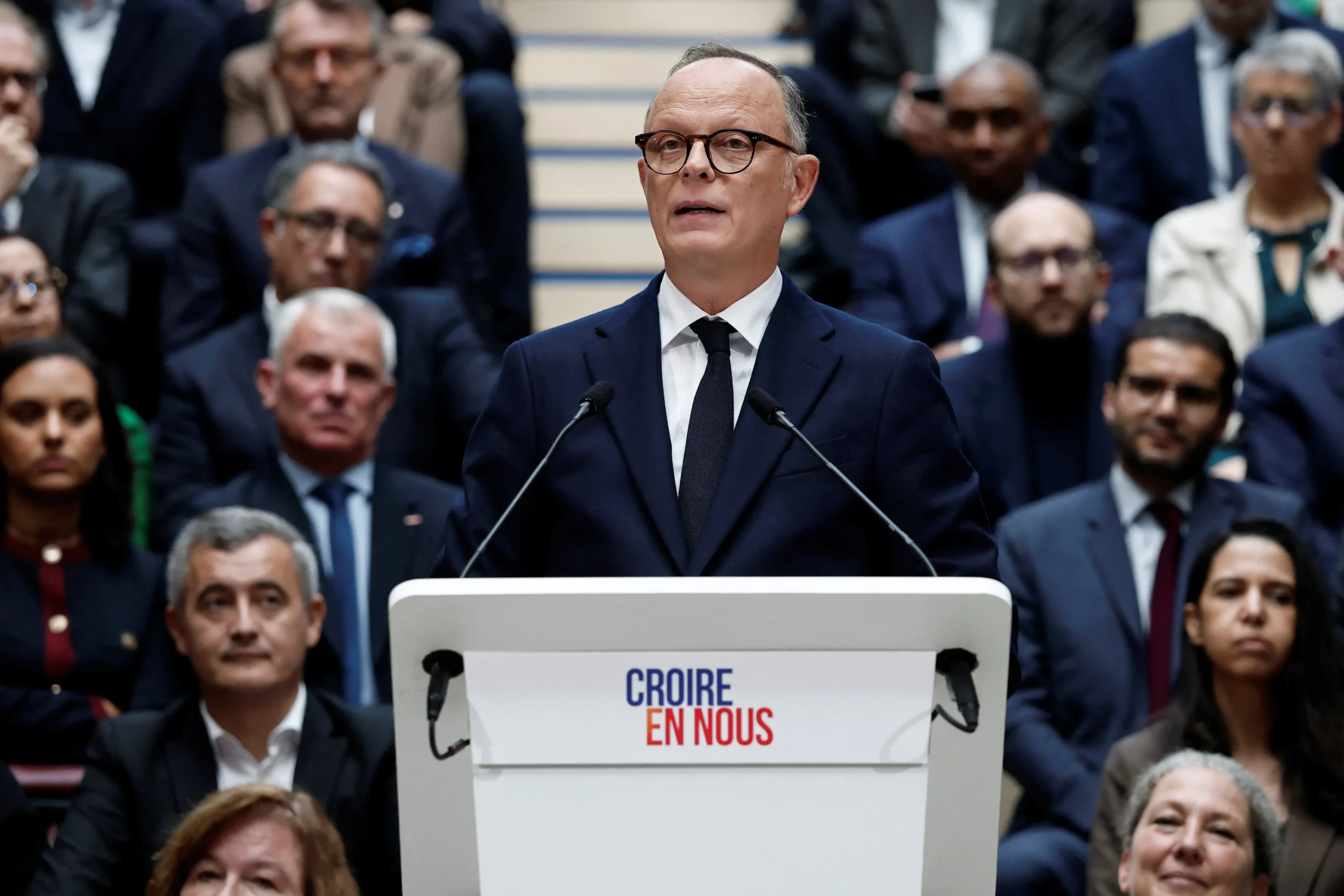
French presidential candidate and former Prime Minister Édouard Philippe has warned that France is approaching a serious financial crisis. He says the country must take major economic decisions to prevent its growing debt from creating even greater problems. Speaking at a press conference in Paris on November 18, Philippe argued that the government could no longer delay difficult decisions on public spending, pensions and working hours. His comments come as political competition increases ahead of the next presidential election.
Philippe wants to raise the retirement age to 65, compared with the current level of around 62.9. He has also proposed removing the country’s statutory 35-hour working week. He believes these changes would help France reduce its budget deficit to below the European Union’s 3% limit by the end of the next five-year presidential term. His proposals represent a significant change to employment and retirement policy and could affect millions of French workers.
France’s financial position has become a major concern for investors and policymakers. Public debt reached approximately 119% of gross domestic product at the middle of the year, while the budget deficit is forecast to reach 5.5% of GDP. This is among the highest deficit levels in the eurozone. Philippe warned that France could face increasing pressure from creditors if it fails to demonstrate that it can control public spending and manage its debt.
His proposals also place him in direct disagreement with other major political figures. Marine Le Pen has suggested allowing some workers who began their careers early to retire between 60 and 62. Left-wing candidate Jean-Luc Mélenchon has supported lowering the retirement age to 60. Philippe’s plan to increase the retirement age could therefore become one of the most controversial issues of the presidential campaign.
The former prime minister argues that France must act before financial markets lose confidence in its ability to manage public finances. However, his proposals could face strong resistance from trade unions and voters who fear longer working lives and reduced employment protections. The debate is likely to become more important as candidates present their economic programmes. France’s next government will face the difficult task of balancing financial stability with the social expectations of its population.
