


Africa is becoming one of the world’s fastest-growing business destinations. Strong population growth, rich natural resources, expanding cities, and a young workforce are drawing interest from investors, governments, and global companies. As a result, international business summits focused on Africa are playing a larger role in shaping the continent’s economic future.
These events bring together government leaders, business executives, investors, entrepreneurs, financial institutions, and development experts. They provide opportunities to discuss trade, investment, innovation, and economic cooperation while building partnerships that support long-term growth.
Several major Africa-focused business events have taken place or are scheduled during 2026.
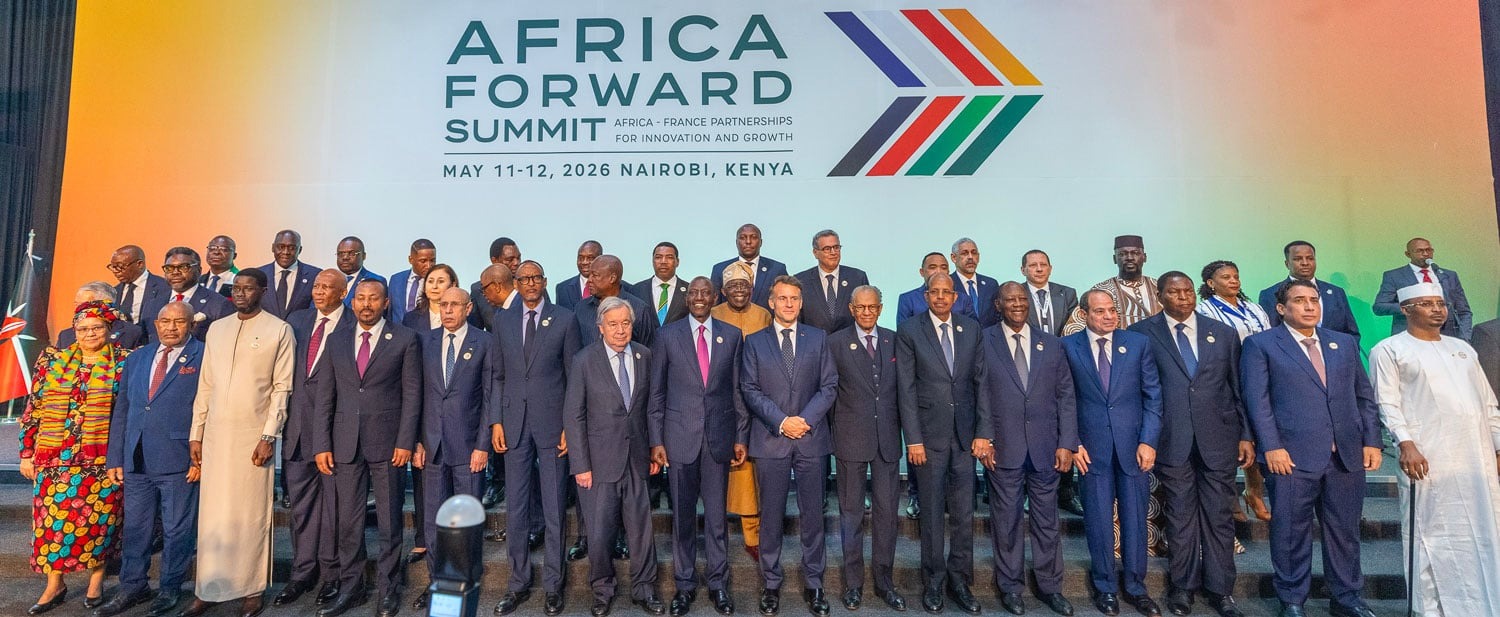
The Africa Future Forward Summit, previously known as the France-Africa Summit, was held in Nairobi, Kenya, in May. The event marked the first time the summit was hosted in an English-speaking African country.
Later in May, Biashara Afrika brought together business leaders in Lomé, Togo, to discuss regional trade and investment opportunities.
In June, the London-Africa Business Summit gathered investors, policymakers, and members of the African diaspora to explore capital markets, technology investment, and economic cooperation.
Another major event, the Global Africa Summit, is scheduled for July 30 in Toronto, Canada. The summit aims to strengthen trade, infrastructure, financial technology, and green energy partnerships between Canada and African markets.
Other annual gatherings include the US-Africa Business Summit in Mauritius, investment forums in New York, the US-Africa Leaders’ Summit in Washington, the Africa CEO Forum, the FT Africa Summit in London, and the Transform Africa Summit, which focuses on digital technology and innovation.
These conferences have become increasingly important as African economies expand beyond traditional industries such as oil, gas, and mining.
Many countries are investing more in manufacturing, agriculture, renewable energy, healthcare, financial technology, digital services, and advanced industries.
Business summits help governments present investment opportunities and economic reforms to international investors. Companies gain better knowledge of local markets, while African businesses can build relationships with new partners and reach global customers.
Investment remains one of the biggest benefits of these events.
Many business agreements, infrastructure projects, and public-private partnerships begin through discussions held during international summits. Bringing decision-makers together in one place often helps speed up negotiations and create new opportunities.
The events also support knowledge sharing.
Business leaders, researchers, and policymakers exchange ideas on technology, climate finance, sustainable development, digital transformation, and changing global markets. These discussions help businesses and governments prepare for future economic challenges.
Tourism also benefits when major conferences are held.
Hotels, restaurants, transportation companies, event organizers, and local businesses receive additional customers during international meetings. Host cities also gain worldwide attention as business destinations.
Young entrepreneurs and small businesses benefit as well.
Many conferences include networking sessions, training programs, mentorship opportunities, and meetings with investors. These activities help startups and small companies improve their skills and expand their businesses.
Regional trade remains another major focus.
Many African leaders view the African Continental Free Trade Area (AfCFTA) as a key driver of future economic growth. The agreement seeks to create a single African market by reducing trade barriers and encouraging business across the continent.
Supporters believe AfCFTA can strengthen manufacturing, improve regional supply chains, create jobs, and increase Africa’s appeal to international investors.
Africa’s growing importance also comes from its natural resources.
The continent holds about 30 percent of the world’s mineral reserves, including materials such as cobalt, lithium, manganese, and rare earth elements that are widely used in electric vehicles, renewable energy systems, and modern technology.
Africa also has large areas of farmland that could support future food production while serving growing global demand.
At the same time, digital innovation continues to expand rapidly across the continent.
Mobile banking, financial technology, e-commerce, and digital payment systems have transformed business in many African countries. Investors increasingly view Africa as both a production hub and a growing consumer market.
Global interest in Africa has also increased competition among major economies.
Countries including the United States, China, members of the European Union, India, Turkey, Russia, and Gulf nations are expanding trade, investment, infrastructure, and technology partnerships across Africa.
While these partnerships create new opportunities, experts say African countries should focus on projects that encourage local job creation, technology transfer, industrial development, and sustainable economic growth.
As Africa’s economy continues to expand, international business summits are expected to play an even larger role in attracting investment, supporting innovation, strengthening regional trade, and building global partnerships. These events continue to position the continent as an increasingly important participant in the global economy while supporting long-term development across multiple industries.
