


French officials are encouraging travelers to continue their summer holidays despite severe wildfires affecting parts of Europe. Authorities say visitors should stay informed about local conditions rather than cancel their travel plans, as many popular destinations remain safe to visit.
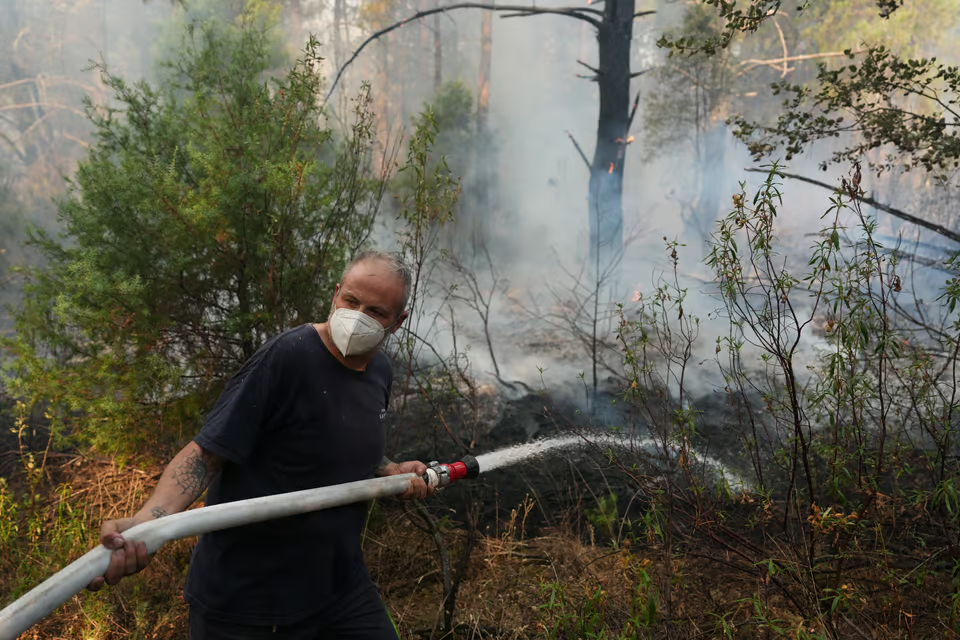
Large wildfires have spread across parts of southwestern France and central Spain, forcing the evacuation of more than 200,000 people. Emergency services continue to battle the fires while protecting homes, communities, and tourist areas.
In France, the hardest-hit areas include the Gironde and Landes departments, where about 141,000 residents and visitors have been evacuated. The French government has deployed military personnel alongside firefighters to help control the fast-moving blazes.
Authorities also ordered evacuations in several suburbs near Bordeaux as changing weather conditions increased the fire risk. Emergency teams continue to monitor the situation and provide assistance to affected communities.
In neighboring Spain, wildfires have also caused significant damage. Prime Minister Pedro Sánchez visited fire-affected areas near Madrid, where approximately 62,000 acres of land have burned.
The fires have destroyed forests and natural landscapes while creating difficult conditions for emergency crews working to contain the flames.
French Minister for International Partnerships Éléonore Caroit said the country is experiencing an unusually severe wildfire season. She described the situation as a major tragedy but stressed that most parts of France remain unaffected.
According to Caroit, nearly 50,000 hectares of land have burned in France this year. She said the current wildfire season is more severe than last year and even exceeds the damage recorded during the country’s difficult 2022 fire season.
Despite the ongoing emergency, Caroit encouraged tourists to continue visiting France if they remain aware of local safety information.
She said many regions across the country continue to operate normally and are not affected by the fires. Travelers are encouraged to monitor official updates and follow advice from local authorities before and during their trips.
Officials say staying informed is especially important during periods of extreme weather, when wildfire conditions can change quickly.
France is also receiving support through the European Union Civil Protection Mechanism, which allows member states to assist one another during major emergencies. The program helps coordinate resources, equipment, and emergency personnel when countries face large-scale natural disasters.
French officials said European cooperation has strengthened the country’s response to the wildfire crisis and improved emergency coordination across borders.
Elsewhere in Europe, emergency services are also responding to wildfire threats in Scotland. Police declared a major incident after changing wind conditions increased the spread of a wildfire near Nethy Bridge.
As a precaution, residents living near the affected area were evacuated while firefighters worked to contain the blaze.
Scotland’s First Minister John Swinney described the wildfire situation in Cairngorms National Park as very serious. The fire has continued burning for more than a week, creating difficult conditions for emergency responders.
Wildfires have become a growing concern across Europe during recent summers as periods of high temperatures, dry vegetation, and strong winds increase the risk of fast-moving fires.
Emergency agencies across affected countries continue to advise residents and visitors to follow official guidance, avoid restricted areas, and stay updated on evacuation notices when traveling near wildfire zones.
While some regions continue to face dangerous fire conditions, many tourist destinations remain open and continue welcoming visitors.
Authorities say informed travel decisions, close attention to official updates, and cooperation with emergency instructions are the best ways for travelers to stay safe while enjoying their summer holidays.
As firefighters continue working across several European countries, governments remain focused on protecting communities, supporting evacuees, and limiting the impact of one of the region’s most challenging wildfire seasons in recent years.
