


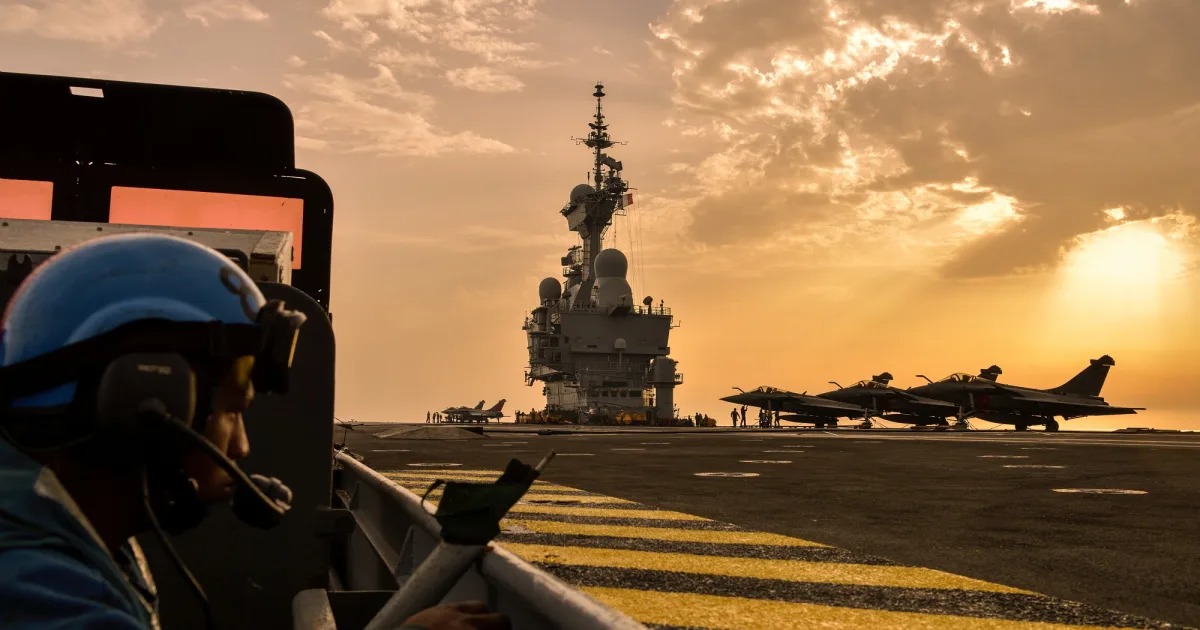
France has submitted its detailed proposal to India for a major purchase of 114 Rafale fighter jets. The offer is part of a government to government defence deal. It also puts strong focus on making most of the aircraft in India.
Under the French plan, the first 20 Rafale jets would be sent from France. The other 94 aircraft would be built in India with the help of local industry partners. This local build plan is one of the key parts of the offer.
India had sent a Letter of Request to France earlier this year. The request set out its needs for the new fighter jets. The French proposal is now being studied by officials in India’s Defence Ministry and the Indian Air Force.
The deal could be worth about Rs 3.25 lakh crore. That is around $34 billion based on the figures in the proposal. If the deal is signed, it would be one of India’s biggest fighter jet purchases.
A major issue for India will be how much local work comes with the deal. France has offered to build 94 of the 114 jets in India. The plan is expected to bring a large share of the work to Indian defence firms.
Dassault Aviation would lead the aircraft work. Other French firms would also take part. They include MBDA, which makes missiles, Safran, which makes engines, and Thales, which works on avionics and electronic systems.
The local production plan could create business worth about Rs 1.6 lakh crore for Indian defence firms. Companies such as Tata and Larsen & Toubro could gain from the work. The plan could also help India build more skills in aircraft production and defence systems.
Another key issue is the use of Indian weapons on the Rafale jets. India wants its own systems to work with the aircraft. This includes the Astra air to air missile. The ability to use Indian weapons could be an important part of the final talks.
India is also trying to raise the local content of its defence equipment. The Rafale plan fits into that wider goal. More aircraft work in India could help the country build a stronger defence industry over time.
The deal also comes as the Indian Air Force faces a fighter squadron shortage. Older Russian made MiG aircraft are being retired. At the same time, some new Indian fighter projects have faced delays.
India is already a Rafale operator. The Indian Air Force has 36 Rafale jets from an earlier deal. The Indian Navy is also set to receive Rafale M fighter jets for carrier use.
If the new 114 jet deal is completed, India’s total Rafale fleet could rise to 176 aircraft across the air force and navy, based on the figures in the current plans. Further naval orders could push the total even higher.
The Rafale has also gained recent operational exposure with India. Indian Rafale jets took part in Exercise Pitch Black in Australia. The event gave the aircraft a chance to operate with air forces from other countries.
For now, no final contract has been signed for the 114 jets. India’s defence officials must first assess the French offer. They will look at price, local production, technology, weapons integration and other terms.
The next stage will depend on India’s review and talks with France. If both sides agree on the key terms, the proposal could move closer to a final contract.
The planned deal is important for more than the number of aircraft. It could also shape India’s future fighter production. A large local production programme would give Indian firms more work and could deepen defence ties between India and France.
