


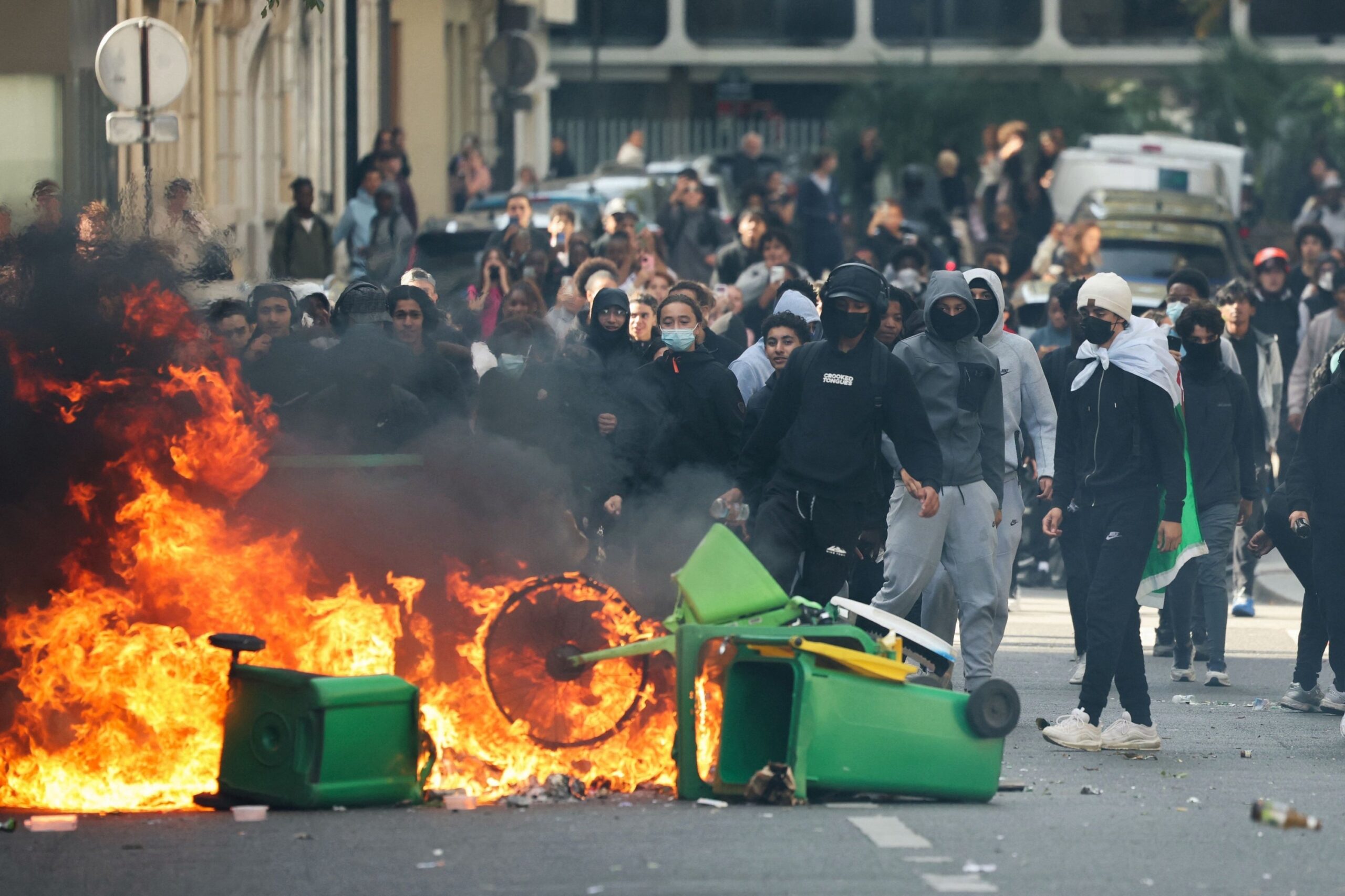
France is facing a growing student protest movement as teenagers continue to demonstrate against poor school conditions, staff shortages and a lack of investment in education. The unrest began earlier in the week but remained a major national issue on October 4, after police warned that the movement had become increasingly difficult to control. The protests have spread beyond Paris to many parts of the country, putting pressure on the government to respond to complaints that students say have been ignored for too long.
The demonstrations began with concerns about overcrowded classrooms, teacher shortages and old school buildings. Students have also raised concerns about the quality of school facilities and the wider education system. Some protesters say they are being asked to study in buildings that need major repairs, while others complain that a lack of teachers has made learning more difficult. These concerns have helped turn what began as school-based demonstrations into a wider national protest movement.
The situation became more serious as some demonstrations turned violent. Police clashed with students in several locations, while fires and damage to property were reported. Reuters reported that about 5,000 people, most of them teenagers, had been arrested nationwide since Monday. More than 600 police officers were also reported injured, while damage to property was estimated in the tens of millions of euros. These figures show how quickly the protests have grown from an education dispute into a wider public order problem.
Paris police chief Patrice Faure said the movement had gone beyond the control of those who originally started it. He called for protesters to return to peaceful action and warned that authorities would respond firmly to violence and vandalism. His comments came as student groups continued to demand changes to education policy and as officials prepared for more demonstrations in the coming days. The police response has become an important part of the debate, with protesters and officials offering different views of how the unrest should be handled.
The government has acknowledged that students have legitimate concerns about education. At the same time, officials have strongly rejected violence, attacks and destruction of public property. The education ministry has been working on its budget plans, but students say the amount of money being proposed does not solve the problems they see in schools. The dispute therefore goes beyond individual classrooms. It has become part of a wider argument about public spending, social opportunity and the future of young people in France.
Teachers have also become involved in the wider dispute. Some unions have called for industrial action, adding another layer of pressure on the government. Schools have already faced disruption because of blockades and demonstrations. Parents are also being asked to help prevent young people from becoming involved in violent incidents. Authorities have warned that outside groups could attempt to take advantage of the protests, although claims about political involvement remain disputed and should be treated carefully.
The protests are now being watched closely because they could continue into the coming week. Student unions have called for further demonstrations, while police are preparing for possible unrest in central Paris and other major cities. The government faces the difficult task of addressing real concerns about schools while also protecting public safety. For students, however, the central message remains focused on better classrooms, enough teachers and greater investment in education.
The October 4 situation therefore reflects a broader national debate rather than a single day’s protest. The movement has placed education at the centre of public discussion and forced officials to confront complaints that have been building for years. Whether the protests return to peaceful demonstrations or become more disruptive will depend on the response from both the government and student groups in the days ahead.
