


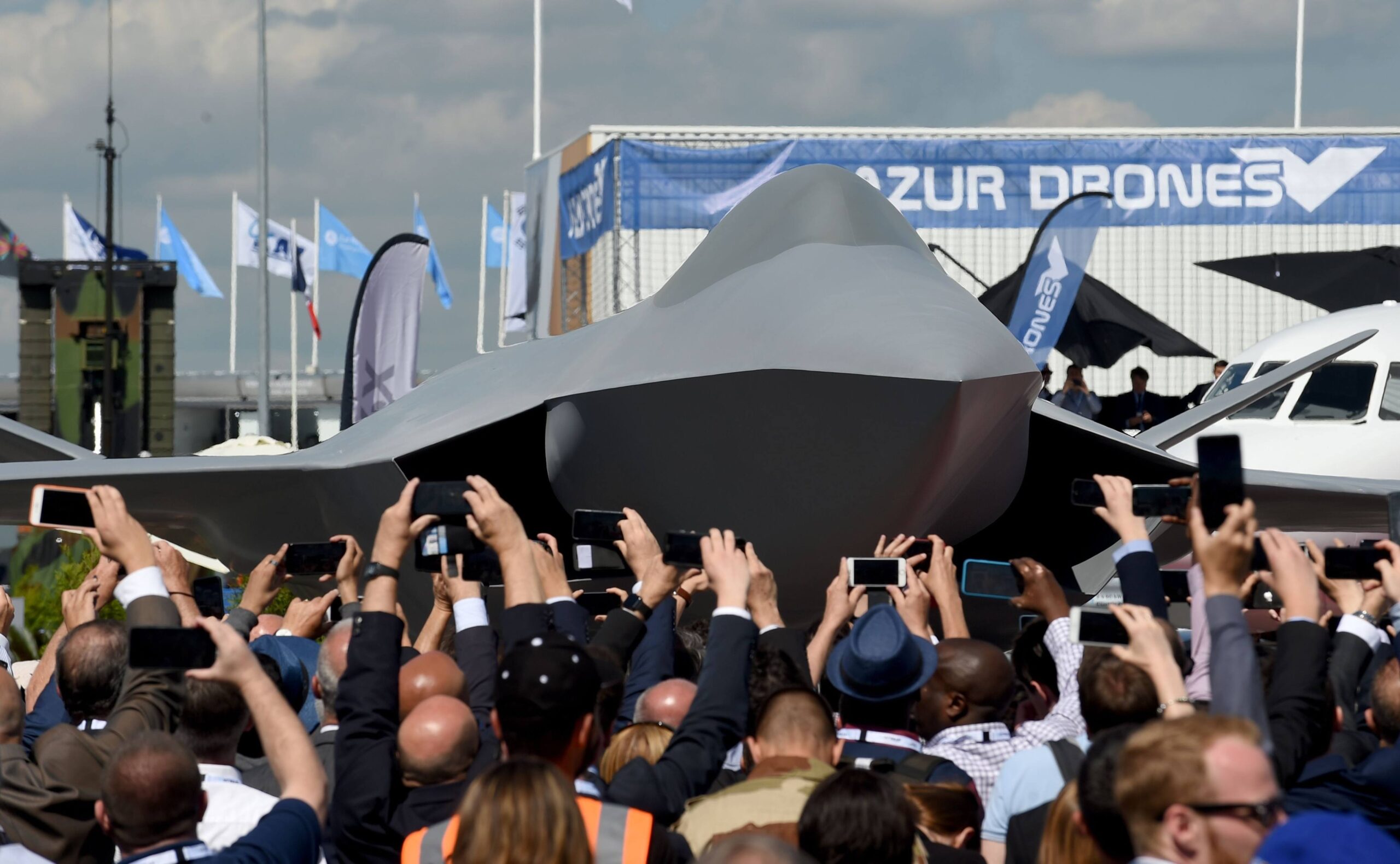
India has begun active efforts to join France next-generation fighter aircraft effort. The Ministry of Defence told lawmakers that New Delhi wants to participate in the Future Combat Air System. This initiative aims to build a sixth-generation jet with advanced sensors, drone links, and smart combat networks. Joining the project could secure vital aerospace technology for Indian engineers over the next few decades.
The Indian Air Force currently operates far below its required force capacity. The force needs forty-one active squadrons to manage dual security threats along its borders. However, it currently operates with just twenty-eight active fighter squadrons. Aging MiG fleets continue to retire, while domestic manufacturing speed remains low. Defence analysts note that joining this European program will not solve current jet shortages. Development of next-generation jets takes many years. The first flight of the French-led concept is scheduled for late this decade. Induction into active operational service will likely occur only after the year 2035.
India wants deep industrial workshare and technical know-how rather than simple off-the-shelf purchases.New Delhi hopes to gain critical access to stealth materials, artificial intelligence networks, and advanced engine technology. Jet engine production has remained a primary technological challenge for local military development. A joint effort could help local research labs gain skills needed for future domestic projects. Indian companies could also manufacture components for international supply chains.
France welcomes potential new international partners for the future aircraft framework. The original European venture faced delays due to industrial distribution arguments. Recent strategic shifts opened up space for external collaborators to step in. India already operates French-built Rafale fighters and maintains strong strategic ties with Paris. Extending this military friendship into future air power makes strategic sense for both capital cities.
The next-generation aircraft concept represents a complete shift in modern air warfare. Future jets will operate as airborne nodes within a high-speed data network. Single manned aircraft will command swarms of uncrewed companion drones during combat missions. Advanced software will manage sensor information, target tracking, and electronic defense simultaneously.Joining this program ensures India avoids falling behind in future military technology.
At the same time, India is building its own local fifth-generation fighter plane, known as the Advanced Medium Combat Aircraft. Senior military leaders state that local jet development remains the primary defense objective. Entering foreign development agreements will complement rather than replace local production goals. The Indian government believes dual tracking both projects protects national defense needs.
Defence experts emphasize that India must balance long-term goals with urgent operational needs. Acquiring new aircraft units takes considerable time. The air force still requires short-term acquisitions to fill squadron voids right now. Buying existing jet platforms remains essential while long-term tech projects proceed. If negotiations with foreign partners succeed, India could gain crucial technological skills while securing a modern sixth-generation combat jet option for future operational needs.
