


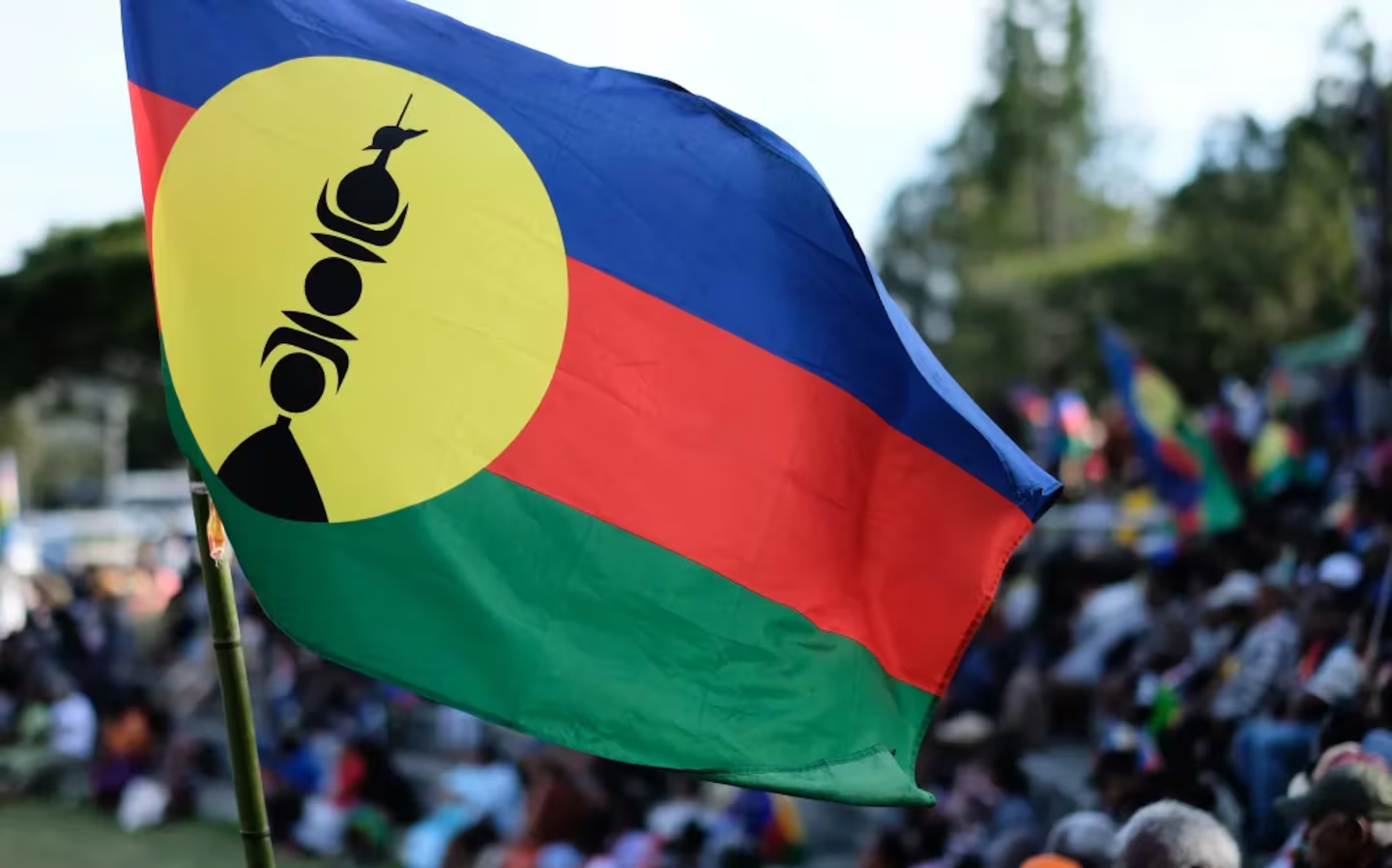
A Paris court has dismissed criminal charges against New Caledonian pro-independence leader Christian Téin, ending a closely watched case linked to violent unrest in the French Pacific territory and renewing debate over France’s handling of independence movements.
The court also dropped charges against 13 co-defendants after ruling that there was insufficient evidence to support the prosecution’s claims. The decision follows a lengthy investigation into unrest that erupted in New Caledonia in 2024, which left 14 people dead and triggered a major political and security crisis.
Téin, a leading figure in the Kanak pro-independence movement, had been at the centre of the case for nearly two years. Prosecutors had accused him and members of the Field Action Coordinating Group of operating an organised network aimed at destabilising public institutions and economic activity in the territory.
However, the court found no proof that Téin coordinated or directed violent actions through secret communications or other operational control. Judges concluded that the evidence presented did not meet the threshold required for criminal conviction.
The ruling has placed renewed attention on the events that followed proposed changes to voter eligibility rules in New Caledonia. The reforms sparked widespread protests and unrest in May 2024, leading French authorities to declare a state of emergency, deploy additional security forces, and transfer dozens of detainees to mainland France.
The legal case became one of the most sensitive political trials involving France’s overseas territories in recent years. It also raised questions about the balance between national security concerns and political expression in regions with active independence movements.
Supporters of Téin and the independence movement have long argued that the prosecution reflected broader political tensions rather than clear criminal conduct. They say the case highlighted how legal action can become part of wider disputes over sovereignty and self-determination.
Critics of the investigation have also pointed to its length and intensity. The inquiry lasted 576 days, during which Téin remained under significant legal pressure. Human rights advocates have argued that prolonged detention and public accusations can have lasting political and personal effects, even in cases that end without conviction.
In media interviews following his detention, Téin described the experience as deeply damaging and said extended isolation had taken a serious toll on his wellbeing. His legal team has consistently maintained that the case was politically motivated and aimed at weakening a prominent independence leader.
The dismissal of charges is likely to intensify debate in France over its governance of overseas territories and its historical relationship with former colonial regions. New Caledonia, also known as Kanaky, has been under French administration since 1853 and remains listed by the United Nations as a non-self-governing territory.
The territory’s political future remains unresolved, with ongoing divisions between pro-independence groups and those who favour continued association with France. Past referendums have shown deep splits within the population, and tensions remain high over issues of identity, representation, and control over local resources.
The latest court ruling is expected to shift attention back to these broader constitutional and political questions, rather than the criminal allegations that dominated headlines for nearly two years.
For many observers, the case underscores the fragility of the relationship between Paris and its Pacific territories, where questions of sovereignty continue to shape political life and public debate.
With the charges now dismissed, attention is likely to turn once again to negotiations and political discussions over New Caledonia’s long-term status and the future of its independence movement.
