


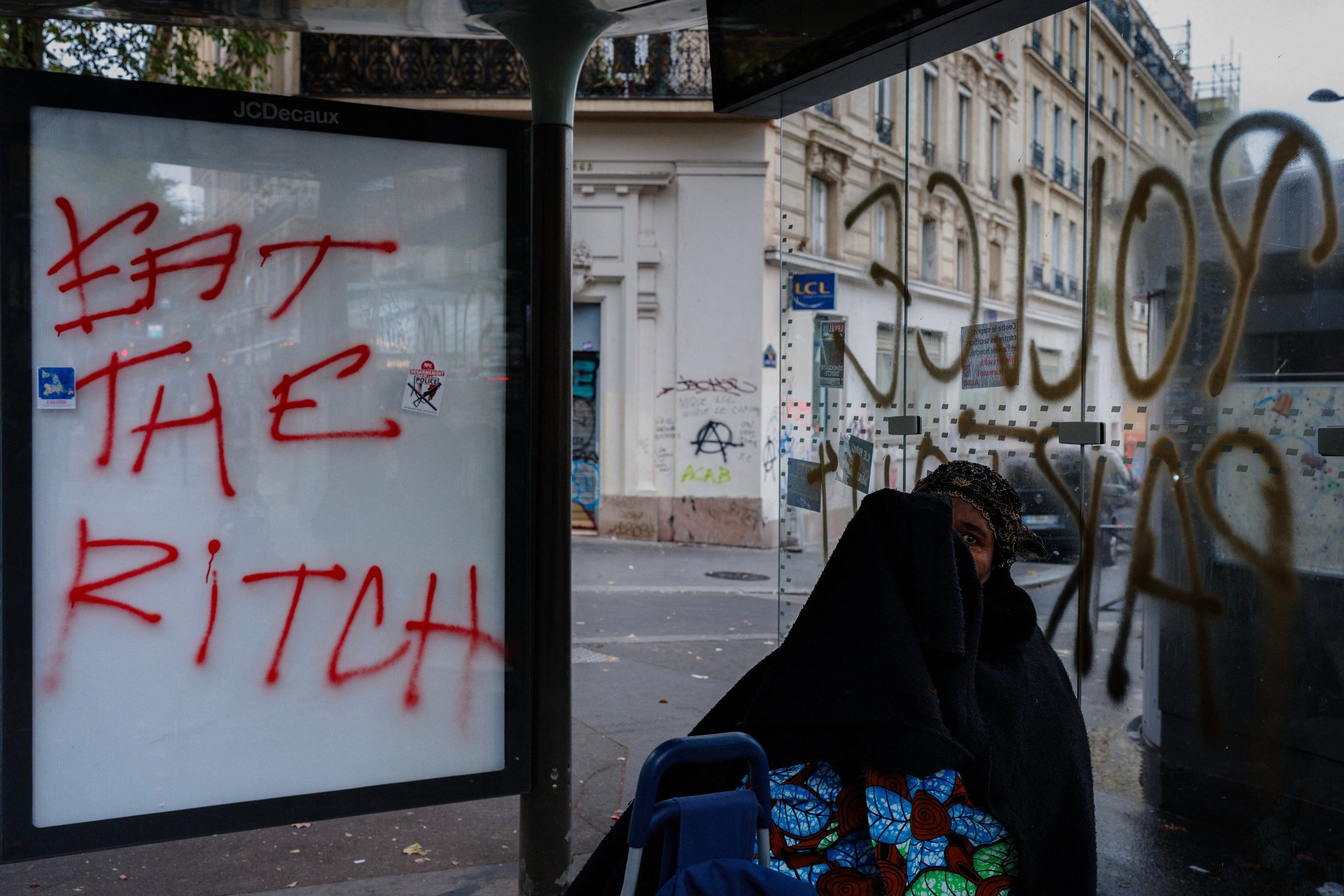
Paris is preparing for a tense Halloween weekend as city authorities introduce temporary restrictions in several central areas ahead of expected demonstrations. The measures are designed to limit disorder, protect public spaces and reduce the risk of damage after earlier protests caused disruption in the French capital. Authorities have identified the République and Châtelet–Les Halles neighbourhoods as areas requiring additional attention. Overnight curfews are scheduled to operate from 11 p.m. until 6 a.m. on Saturday and Sunday, affecting movement in parts of the city.
The restrictions come as France prepares for another round of nationwide demonstrations linked to public frustration over living costs, government policy and the condition of public services. Paris is expected to attract protesters, visitors and Halloween crowds at the same time, creating additional pressure on police and local services. City officials are concerned that large gatherings could become difficult to manage if different groups meet in busy commercial and transport areas. The temporary measures are intended to reduce the risk of violence while allowing residents and visitors to move through parts of the capital safely.
The city is also preparing additional cleaning and maintenance operations. More than 1,000 municipal workers are expected to be deployed during the weekend to clear public spaces and respond to rubbish or damage. Their work will be particularly important in busy neighbourhoods where demonstrations, nightlife and Halloween events may overlap. Local authorities want public areas to return to normal as quickly as possible after gatherings end. The deployment also reflects the pressure repeated demonstrations can place on municipal services, including street cleaning, waste collection and public infrastructure.
Paris has faced several periods of protest-related disruption in recent weeks. Businesses in affected areas have had to deal with damaged property, reduced customer numbers and uncertainty about opening hours. Residents have also raised concerns about transport delays and access to public services during large demonstrations. The city must balance public safety with the rights of people who want to take part in peaceful political gatherings. Restrictions are therefore being introduced in specific areas rather than across the entire capital.
The weekend will test the ability of Paris authorities to manage demonstrations alongside normal city activity. Police, municipal workers and transport services will need to coordinate closely as crowds move through central districts. Officials are urging people to check local restrictions before travelling and to follow instructions from emergency personnel. The measures are temporary, but they highlight the continuing challenge of managing public demonstrations in a city that remains a major centre of political activity and tourism.
