


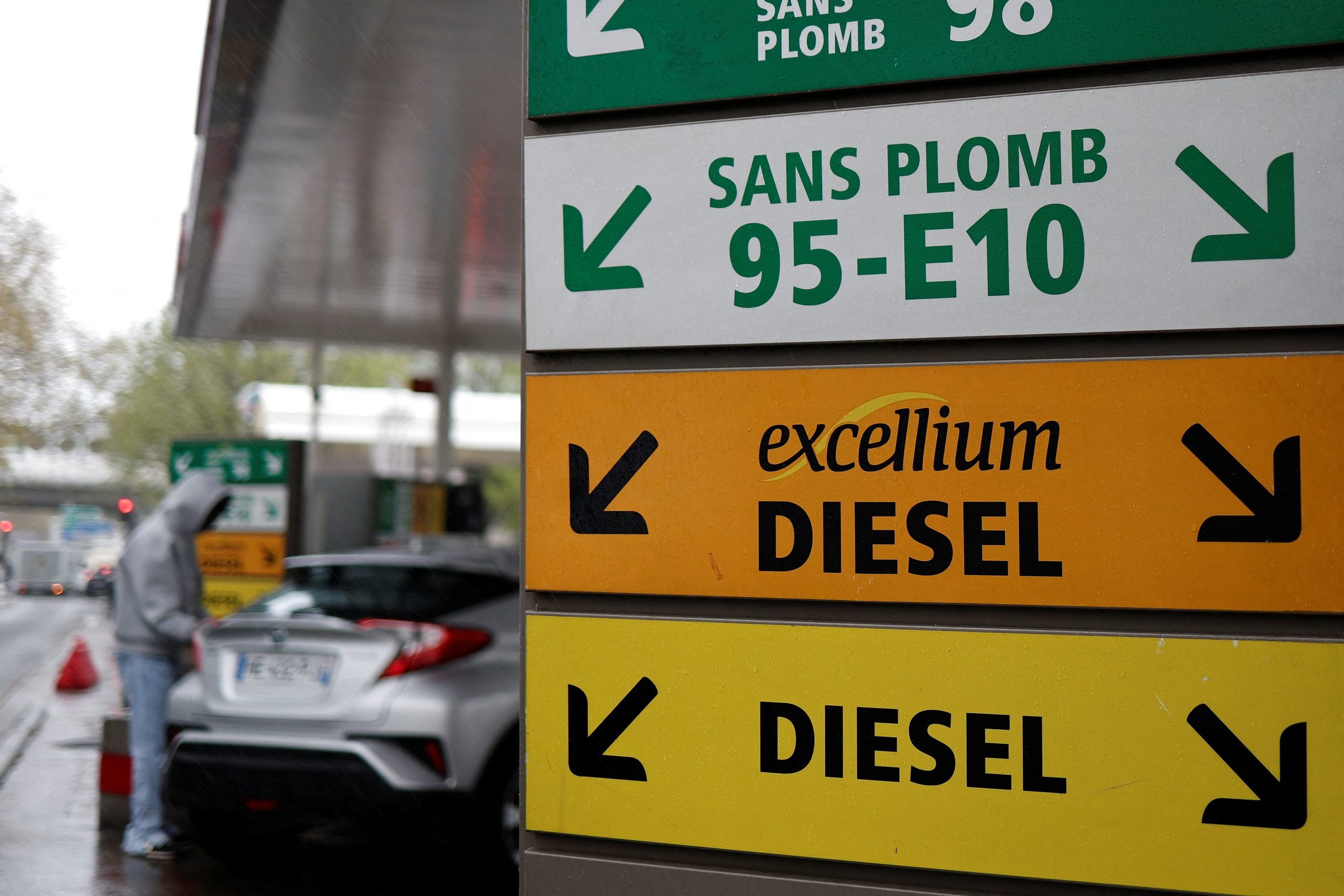
France is changing how fuel retailers can access diesel released from the country’s strategic reserves. The government plans to allow retailers to sell the fuel without having to replace the same amount later under the previous arrangement. The measure is intended to help ease pressure on pump prices as energy markets face disruption. Officials are seeking ways to support consumers while managing the country’s emergency fuel supplies.
Strategic reserves are held to protect a country during serious supply problems. They can be used when international disruptions threaten the normal flow of oil and fuel. Releasing some of these stocks can help increase available supply, although the effect on prices depends on market conditions and the scale of the release. France’s plan is designed to make the fuel available through a different mechanism.
Under the earlier approach, retailers could receive fuel from reserves but were required to buy back an equivalent amount later. That arrangement could create an additional financial burden because companies had to plan for the future replacement cost. The revised system is intended to remove that requirement for the diesel covered by the new scheme. This may make participation easier for retailers and help the fuel reach consumers.
The government has planned the release of ten million barrels, with distribution expected to begin on 1 November. The measure comes amid pressure on energy markets linked to conflict and disruption in international supply. Diesel prices affect more than private motorists. Transport firms, delivery services, farmers, and other businesses depend on the fuel to move people and goods. Higher prices can therefore increase costs across the economy.
Fuel retailers will still need to manage storage, transport, and sales. The new arrangement does not mean that every station will receive the same amount or that prices will fall by a fixed level. Retail prices depend on several factors, including wholesale costs, taxes, distribution expenses, and local competition. The final effect will become clearer once the fuel begins reaching the market.
The release of reserves can provide short-term support, but it cannot replace a stable energy supply. If global prices remain high, the cost of buying new fuel may continue to place pressure on businesses and households. Governments must also consider how much fuel should remain available for future emergencies. Using reserves too quickly could reduce the country’s protection if another major disruption occurs.
The policy also raises questions about how governments should respond when energy prices rise sharply. Direct support can offer quick relief, but it may be expensive and difficult to maintain over time. Changes to fuel supply arrangements can help in the short term, while longer-term solutions may include improved energy efficiency, alternative transport options, and a more diverse energy mix.
For consumers, the main concern is whether the measure will lead to noticeable savings at fuel stations. For businesses, the benefit will depend on how much the change reduces operating costs. Retailers and transport companies will watch the rollout closely to see whether the additional supply improves market conditions.
France’s revised reserve plan shows how governments can adjust emergency tools when fuel costs rise. Its success will depend on how effectively the diesel is distributed and whether wider market pressures ease. The measure may provide temporary relief, but stable prices will still depend on global supply, demand, and the future course of the energy crisis.
