


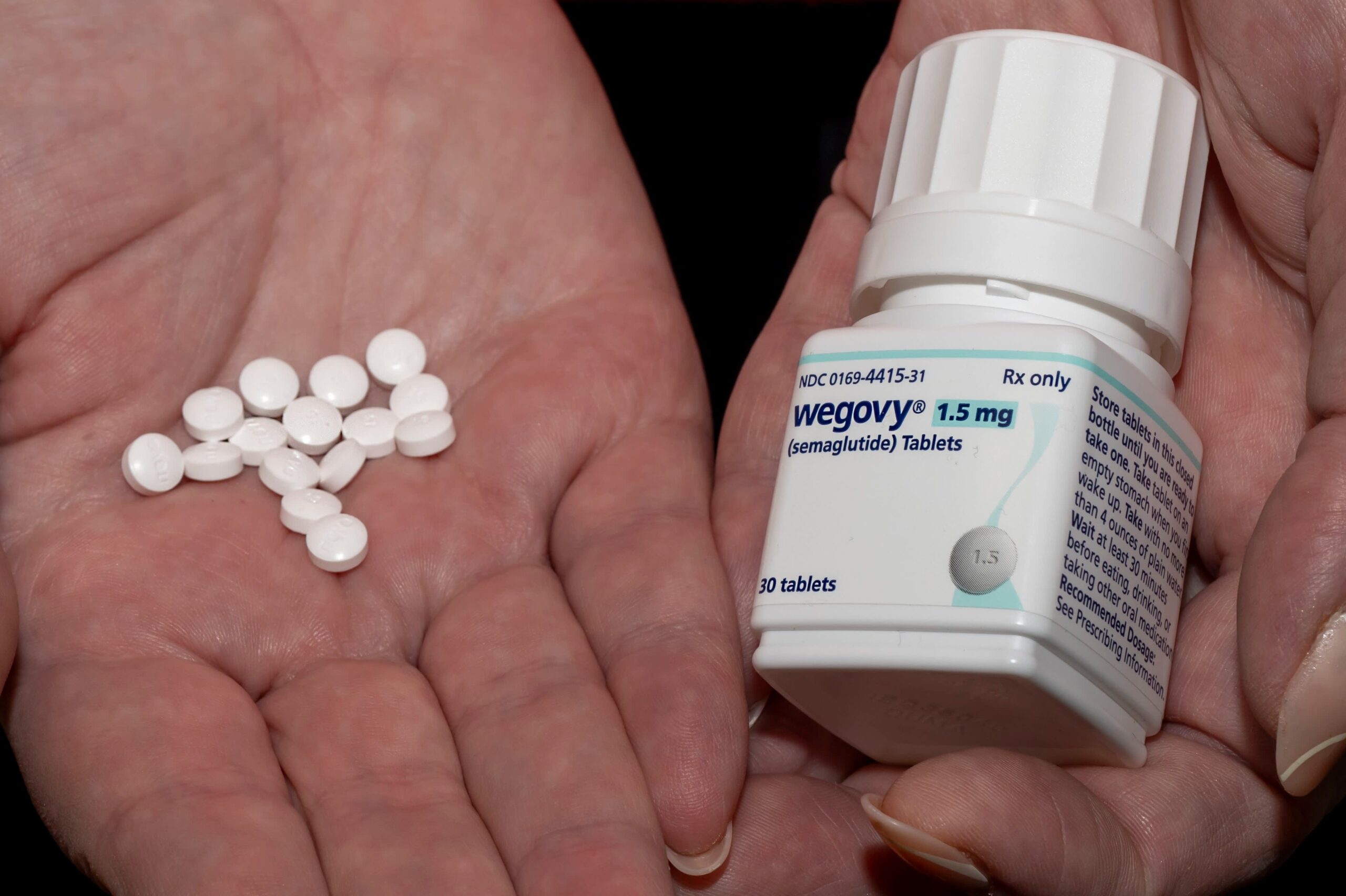
France has introduced Wegovy tablets in pharmacies, giving patients a new way to use the weight-loss medicine. Until now, the treatment was mainly available in the country as an injection. The new oral version became available on Monday, November 2, and adds another option for adults receiving medical care for obesity. The launch also marks a new stage in the competition between major drugmakers seeking a larger share of the growing market for weight-management treatments.
The tablets contain semaglutide, the same active ingredient used in the injectable version of Wegovy. The medicine belongs to a group of treatments known as GLP-1 drugs. These medicines act on systems linked to appetite and help patients feel full for longer. As a result, they can support weight loss when used as part of a wider care plan that includes medical advice and changes to daily habits.
The new version is available by prescription. However, patients will have to pay the full price at the time of its launch. The manufacturer has not submitted a request for public reimbursement for the tablet form, according to information reported in France. The recommended price is around €169 for one month, although the final amount can vary depending on the dose and pharmacy.
The launch comes as demand for obesity treatments continues to grow in many countries. Drugmakers are working to develop medicines that are easier to use and can reach more patients. Novo Nordisk, the Danish company behind Wegovy, is also competing with US-based Eli Lilly in this market. Both companies are seeking to expand their treatment options as more people and health systems look for medical support for obesity.
Health experts stress that the tablet should not be treated as a simple shortcut for weight loss. Patients need proper medical guidance before starting treatment. Doctors must assess whether the medicine is suitable, review possible risks and follow the patient’s progress. A full treatment plan may also include nutrition support, physical activity and regular medical checks.
The oral version may appeal to people who prefer tablets to injections. It could also offer another option for patients who are already discussing GLP-1 treatment with their doctors. Still, the lack of reimbursement means that cost may remain a major barrier for some people.
The arrival of the tablet is an important development for the French obesity-treatment market. Its longer-term impact will depend on patient demand, medical guidance, pricing and future decisions on reimbursement. For now, the launch gives eligible patients another prescribed option while placing greater attention on safe and supervised use.
