


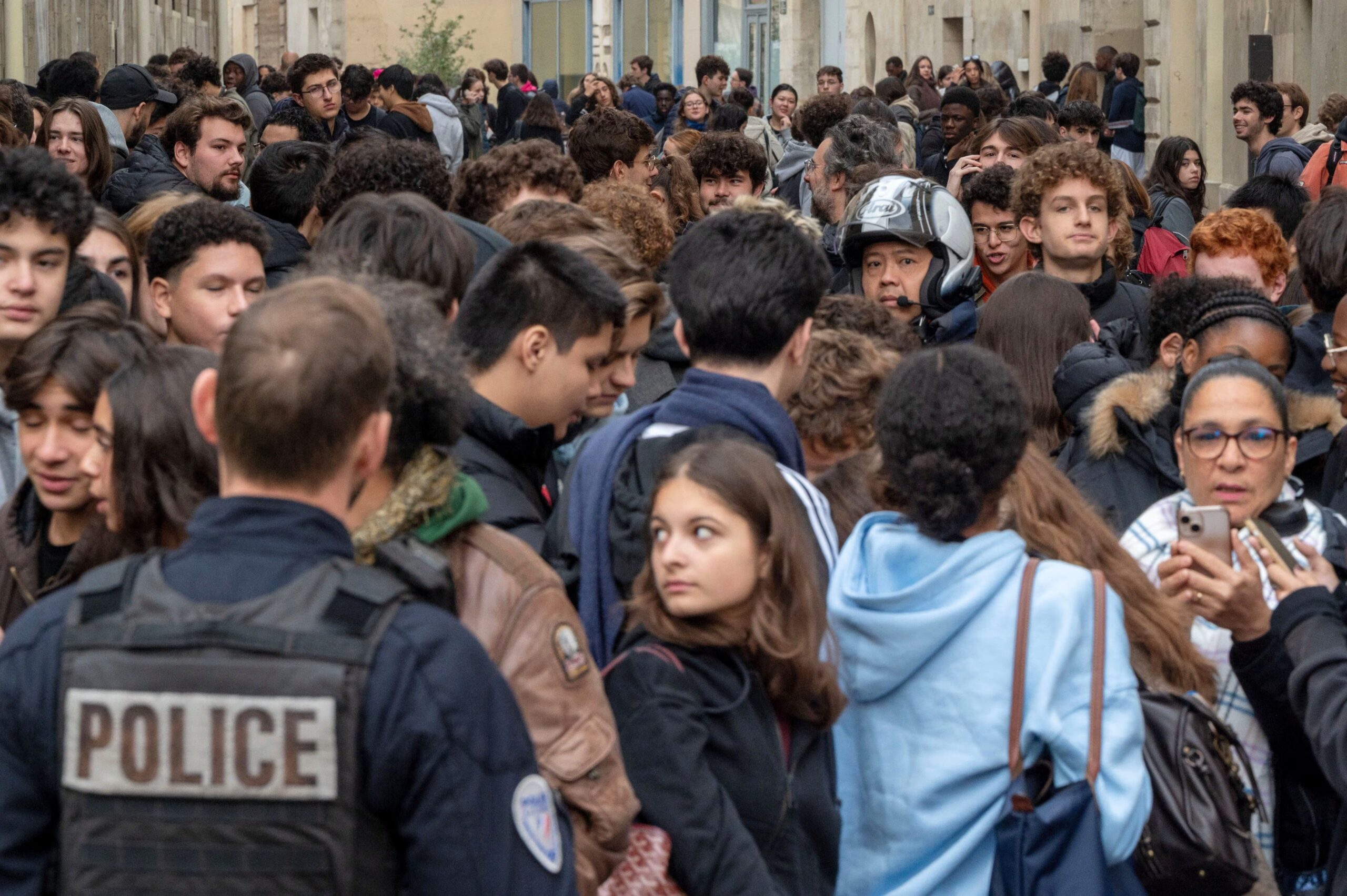
France is facing renewed pressure to improve its education system as students return from their autumn break and continue to demand better classrooms, more teachers and fairer access to higher education. The government’s latest reform proposals include major investment in school buildings and additional university places, but student representatives say the measures do not go far enough.
Education Minister Edouard Geffray has presented several proposals intended to address long-standing problems in schools. One of the main measures would limit class sizes to 28 students, giving teachers more opportunities to support pupils and manage lessons. The government has also proposed spending four billion euros on renovating school buildings.
Another part of the plan focuses on higher education. The government wants to create 15,000 additional places for students and introduce a revised university admissions system by 2028. Officials say these measures could improve access to education and help address concerns about the way university places are distributed.
The proposals come after weeks of student demonstrations that began in Paris suburbs in September. The movement spread to other French cities and attracted support from trade unions and activists. Protesters have linked education concerns with wider complaints about living costs and social inequality.
The demonstrations became more disruptive in October, when hundreds of schools experienced blockades or attempted blockades. Some protests also resulted in clashes with police and damage to businesses. The latest return to school has brought a smaller number of blockade attempts, but the campaign has not ended.
Student representatives have argued that the government’s proposals do not fully address the problems they face. They want stronger commitments on school conditions, staffing and the fairness of university admissions. Their response suggests that the government will need to provide further details and maintain discussions with student groups.
Improving education requires long-term investment and careful planning. Renovation projects must be delivered across different regions, while additional university places need sufficient teaching staff and facilities. The government must also ensure that changes to admissions are understood by students and families.
The coming months will show whether the proposals can reduce tensions and restore confidence in the education system. For now, France’s education debate remains closely linked to wider questions about equal opportunity and the future of young people.
