


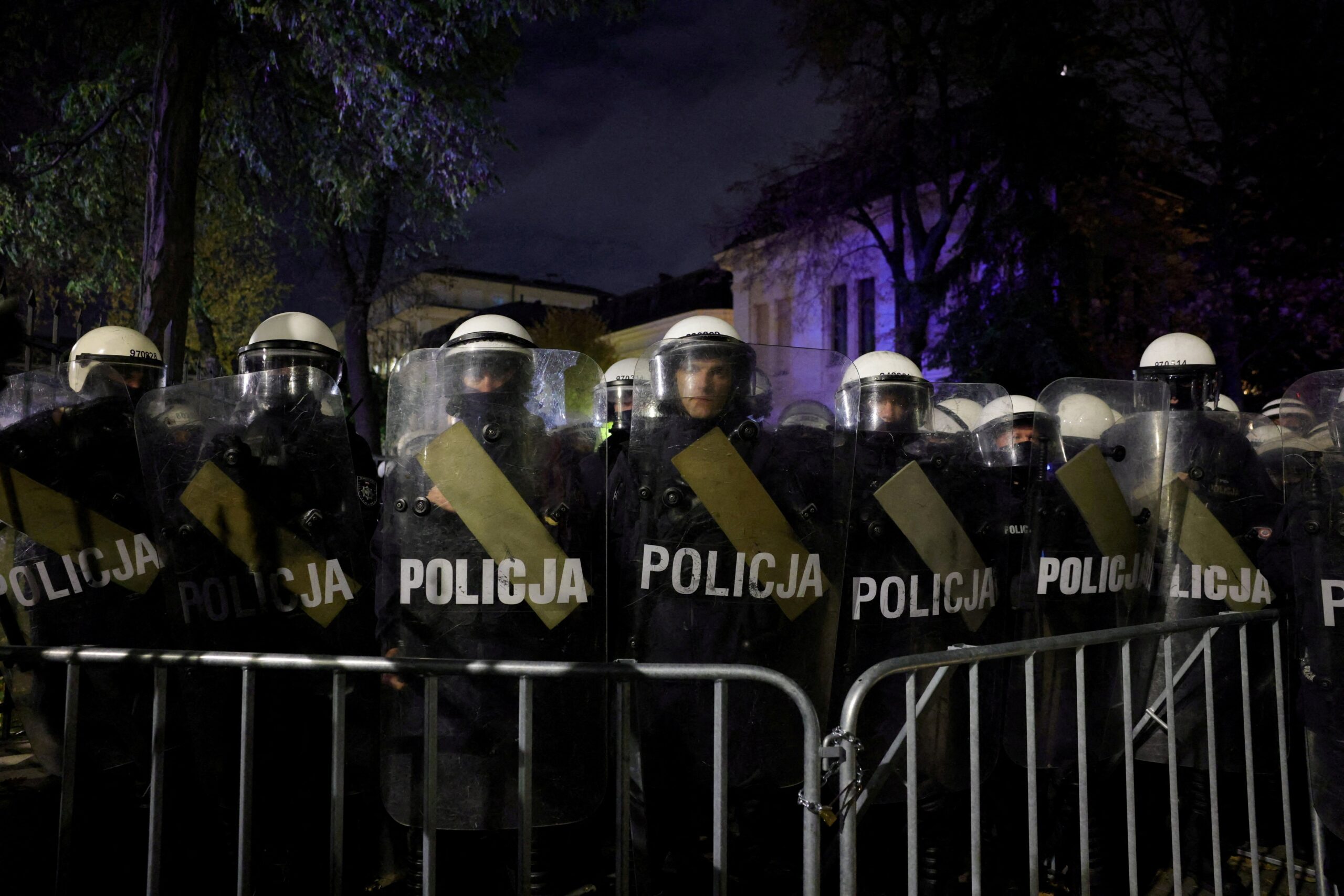
High school protests have resumed in France as students returned to classrooms on Monday, 2 November, following a two-week autumn break. The renewed demonstrations were smaller than those seen before the holiday, but students attempted to block access to several schools in Paris, Marseille and Rennes. The protests have become an important challenge for President Emmanuel Macron’s government, as young people continue to raise concerns about education, living costs and social inequality.
By 8:30 a.m. GMT, around 41 high schools had been blocked or affected by attempted blockades, according to the Education Ministry. This represented approximately one percent of schools nationwide. Before the holiday, hundreds of schools had experienced similar disruptions, showing a clear reduction in participation after the break.
The movement first gained attention in Paris suburbs in September. It later expanded into other parts of France, attracting students, trade union members and activists. Demonstrators have raised concerns about ageing school buildings, overcrowded classrooms, a shortage of teachers and limited opportunities for university admission.
Some earlier demonstrations developed into violent confrontations. Clashes with police and incidents of looting in several cities increased pressure on the government to restore order while addressing the concerns raised by students.
Education Minister Edouard Geffray said the latest blockade attempts remained limited. He stressed that students had the right to protest but could not legally prevent others from entering schools. Police officers were present around some institutions to maintain access and prevent confrontations.
The government has proposed several changes to improve education. These include limiting class sizes to 28 students, investing four billion euros in school renovations and creating 15,000 additional places in higher education. Officials have also proposed introducing a revised university admission system by 2028.
However, student representatives have rejected the proposals as insufficient and said they intend to continue their campaign. Their demands suggest that the dispute is not limited to school facilities but also reflects wider concerns about opportunities and fairness.
The smaller demonstrations may offer the government some relief, but the issue remains unresolved. Further protests could take place if students believe that promised reforms are too slow or fail to address the problems affecting schools across France.
