


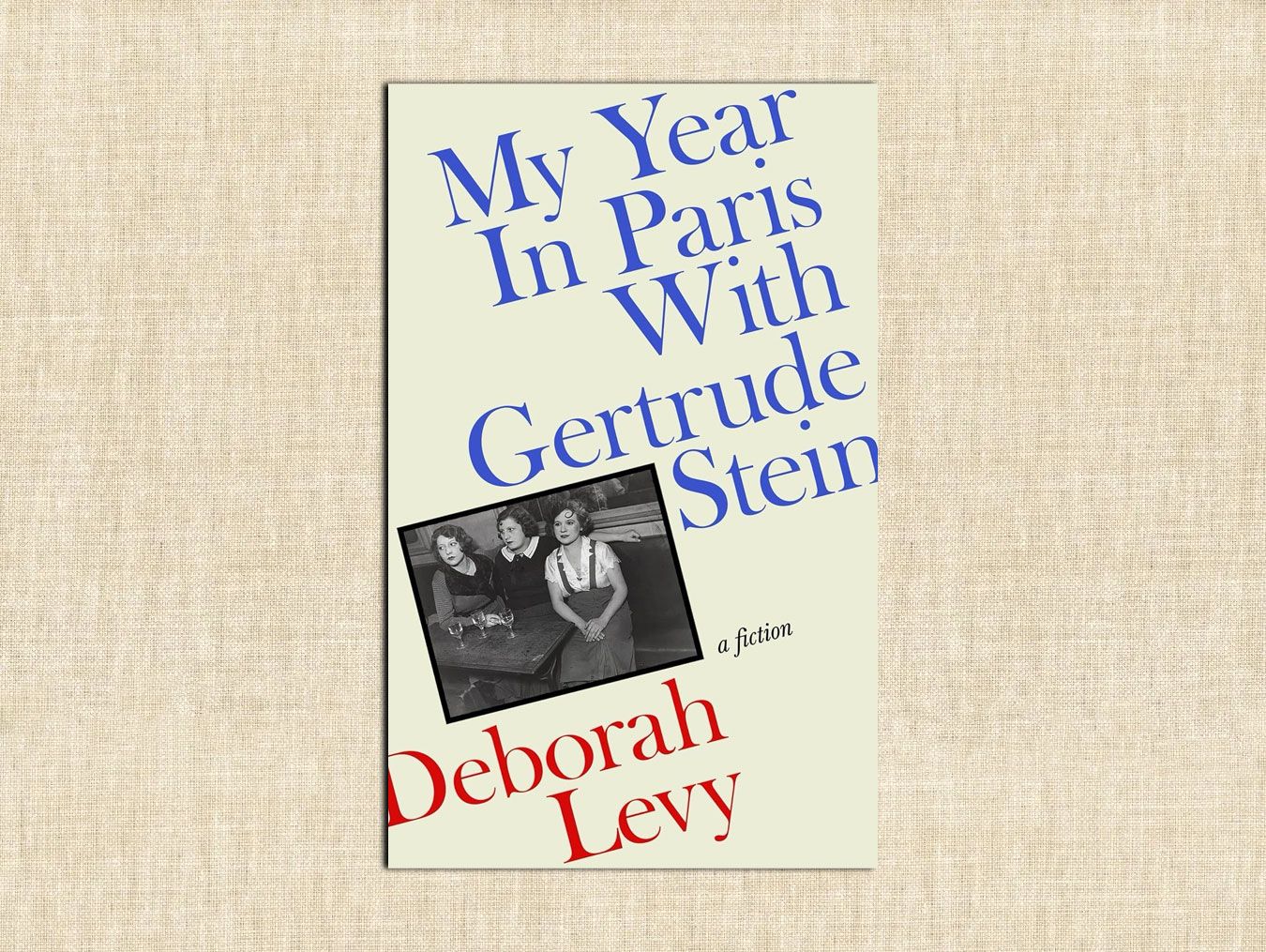
Deborah Levy’s new novel brings readers into a soft but confusing world. It blends past and present in a calm but sharp way. The story feels like a dream that keeps changing shape. It uses simple scenes, but it raises deep questions about time, power, and identity.
The book is titled My Year in Paris with Gertrude Stein. It follows a narrator who travels to Paris to study the life of Gertrude Stein. She is a famous American writer who lived in Paris and shaped modern art and literature.
The narrator is not fully stable in her thinking. She often shifts between memory, imagination, and research. Her voice changes as she moves through time. This creates a feeling of confusion, but also curiosity.
Much of the story moves between two time periods. One is early 20th century Paris. The other is the modern world shaped by politics and media. These two worlds often mix in the narrator’s mind.
The modern part of the story touches on the political climate during the 2024 U.S. election period, linked to Donald Trump. The book does not follow real events in detail. Instead, it uses this moment as a symbol of tension and change.
The narrator often feels lost in time. She thinks about history while also looking at her phone. News, ads, and global conflicts appear together in her thoughts. This creates a feeling of overload.
Short messages, ads, and news updates interrupt her focus. She tries to study Stein’s life, but the modern world keeps breaking her attention. This shows how hard it is to think deeply in today’s fast world.
The writing style is slow and flowing. It uses long thoughts and soft images. The narrator describes food, water, and light in gentle ways. Paris itself feels alive in the story. The city of Paris becomes part of her thinking process.
She often uses her study of Stein as a way to understand herself. She wonders how Stein shaped modern thinking. She also asks why she feels so little control over her own life.
The novel moves between history and imagination. It does not always separate fact from feeling. Instead, it lets both exist together. This makes the story feel unstable but meaningful.
The narrator also sees links between past and present violence. She suggests that both time periods carry forms of political pressure and control. The book hints that modern society still struggles with similar forces seen in history.
At times, she compares Stein’s era to today’s world. She feels that both periods show strong change, but also confusion. One period tried to build modern ideas. The other feels like it is breaking them apart.
The narrator’s thoughts often return to a simple idea. She feels that she does not fully understand the present. This feeling grows stronger as the story continues.
The book also shows how people try to find meaning in research and memory. The narrator studies Stein not only as a writer, but as a symbol of creative power. Yet she also questions her own ability to create meaning.
The writing includes many soft images. Water, melting food, and shifting light appear often. These images show change and instability. They also reflect the narrator’s mental state.
The novel does not offer clear answers. Instead, it builds a mood of reflection. It invites readers to sit with uncertainty rather than escape it.
Deborah Levy uses simple language but complex ideas. The result is a quiet but layered reading experience. It feels both personal and global at the same time.
By the end, the story leaves the reader with a sense of open questions. It suggests that modern life is hard to fully understand. Time, memory, and politics all mix together in ways that are not easy to separate.
The book stands as a reflection on how people live with uncertainty. It shows a mind trying to connect past and present while facing a noisy world.
