


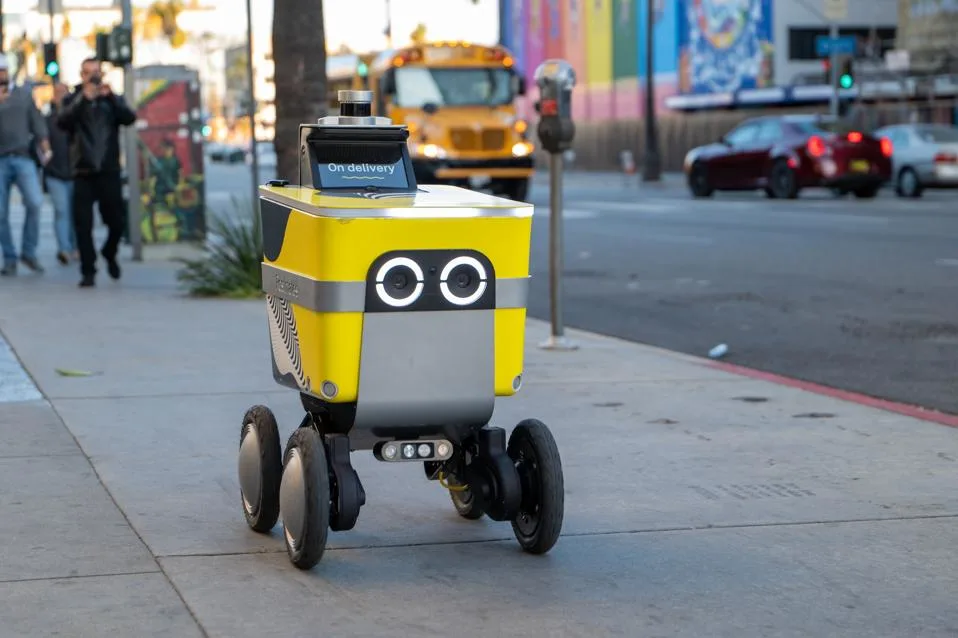
Physical AI adoption is becoming a major topic for global business leaders. A new report from Paris-based technology consulting firm Capgemini warns that companies may fall behind if they ignore it. The study says physical AI could become as important as digital AI in some industries. It combines robotics, sensors, software, and computing power. This allows machines to act in the real world with more independence. Many executives are already testing the technology. Others are still watching and waiting.
Physical AI is different from normal software AI. It works in the physical world. It can see, think, and act. It uses cameras, sensors, and machines. It helps robots move, lift, and perform tasks. Some systems can walk, climb, or carry objects. They still need limits and safety controls. But they are becoming more useful in real work settings. This makes them important for factories, warehouses, and transport systems.
The Capgemini report says over two-thirds of business leaders see physical AI adoption as strategically important. Many companies are already testing it in real environments. Around 79 percent of leaders are using or exploring it in some form. About 65 percent expect to scale it within five years. The report says this technology could improve productivity, safety, and business growth. It may also create new business models. Leaders see it as a long-term shift, not a short trend.
Pascal Brier is Group Chief Innovation Officer at Capgemini. He says the world is facing a “technology avalanche.” His team studies many new technologies at the same time. They track around 1,000 tools and systems. These include AI, robotics, automation, and quantum computing. He says not all technologies will succeed. The challenge is to find which ones bring real value. He believes physical AI is now ready for business use and should not be ignored.
Physical AI is already used in logistics, manufacturing, and warehouse work. It also supports operations in dangerous places like nuclear plants and chemical sites. Robots can reduce risk for human workers in these areas. Drones and self-driving machines are also part of this trend. In the future, humanoid robots may become more common, but they still face limits. Most current uses are simple and practical. They focus on lifting, moving, and repeating tasks that need speed and accuracy.
Experts say physical AI will not replace all jobs quickly. Instead, it will work with people. Humans will handle tasks that need judgment and flexibility. Robots will handle repetitive and heavy work. Some companies already struggle with worker shortages. That is why they are investing in robotics. This helps improve efficiency and safety at the same time. It also reduces pressure on workers in risky jobs. The idea is cooperation, not full replacement.
The report warns that waiting too long could be risky for companies. Many businesses are already testing systems in real settings. Some are preparing to scale up in the near future. Physical AI is not easy to install and use. It needs setup, training, and adjustment. Companies must plan carefully before full use. Early testing helps firms understand both benefits and limits. Businesses that delay may lose advantage to faster competitors in the market.
Experts say the shift will not happen at the same speed everywhere. Some industries will adopt physical AI quickly, while others will take longer. Manufacturing and logistics may move first. Service industries may take more time. However, the direction is clear. Physical AI adoption is expected to grow steadily as costs fall and technology improves. Over time, more companies are likely to use these systems in daily operations.
