


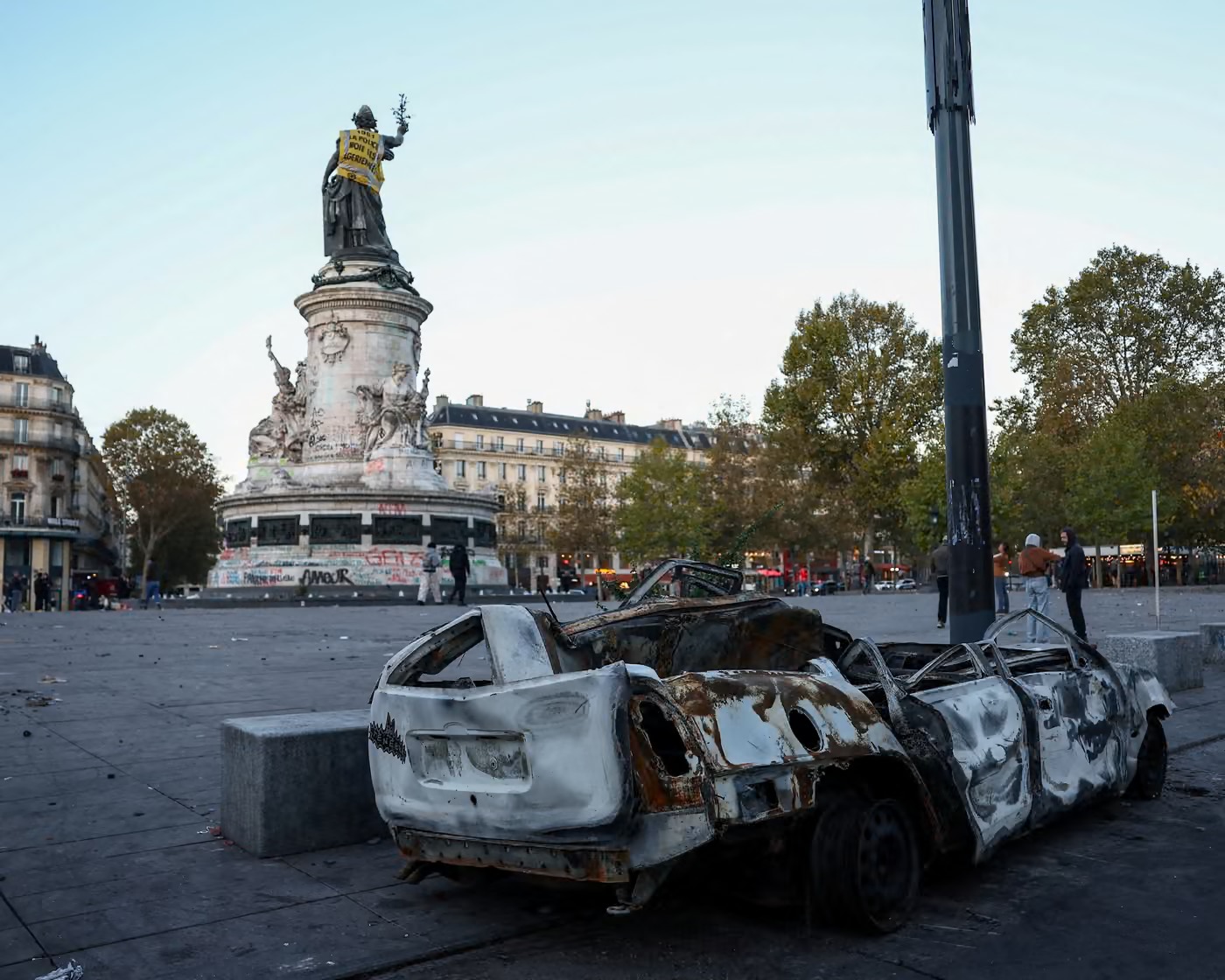
Paris faced another difficult weekend as renewed demonstrations over living costs and public services affected daily life across parts of the capital. The protests on October 24 drew large crowds and later led to clashes in some areas. Their effects were felt beyond the march routes, as businesses took steps to protect their property and cultural sites adjusted access for visitors. The unrest created a difficult choice for the city: keep public life moving while taking steps to reduce the risk of damage and injury.
Shop owners in central Paris had reason to be concerned after earlier demonstrations caused damage and looting. Some businesses covered windows, moved goods away from street-facing areas, or closed early. These steps can be costly, especially for small shops that depend on daily sales and have limited money for repairs. A business may lose income when it closes, but remaining open during unrest can bring a different set of risks. For owners and workers, the decision often depends on the location of the march, the level of police protection, and how events develop through the day.
Cultural attractions also faced pressure as the city prepared for demonstrations. Museums and other visitor sites may close or restrict access when officials believe crowds could create safety problems nearby. Such decisions affect tourists who have planned visits, as well as staff members and businesses that depend on cultural travel. Paris draws visitors from around the world, and museums are a major part of its public identity. Temporary closures can therefore affect more than a single day’s ticket sales. They can disrupt travel plans and make it harder for visitors to move between different parts of the city.
Public transport is another concern during large demonstrations. Police restrictions, blocked roads, and crowds near stations can cause delays or lead to temporary service changes. Visitors may struggle to reach hotels, restaurants, and attractions, while residents need to find other ways to get to work or return home. Transport staff must also manage changing conditions without putting passengers at risk. Clear updates become especially important when people are unfamiliar with the city or do not speak French.
The protests have also changed the atmosphere in public spaces. Areas that usually attract shoppers, families, and tourists can become tense when police barriers and large crowds appear. Some people avoid central districts altogether, while others continue with their plans but remain alert to official advice. This can affect restaurants, cafés, street markets, and small cultural businesses even when they are not directly damaged. A fall in visitors can be felt across a wider local economy.
At the same time, the demonstrations reflect concerns that many residents consider serious. Rising household costs and worries about public services can leave people feeling that normal political channels are not producing enough change. For demonstrators, taking to the streets is a way to make those concerns visible. For businesses and cultural organisations, however, the same events can bring uncertainty and financial loss. The challenge is to protect the right to peaceful protest while preventing violence from harming people who live and work in the city.
City officials and police must continue to communicate clearly about road closures, public transport changes, and areas where people should take extra care. Businesses can also help visitors by sharing updated opening times and giving customers notice of any changes. Tourists should check the status of attractions before travelling and remain flexible with their plans.
The longer-term effect will depend on whether the unrest fades or becomes a repeated feature of city life. Paris relies on its image as a place of culture, shopping, and open public spaces. Protecting that life requires more than security measures alone. It also depends on addressing the concerns that bring people into the streets and ensuring that peaceful civic activity can take place without putting residents, workers, or visitors in danger.
