


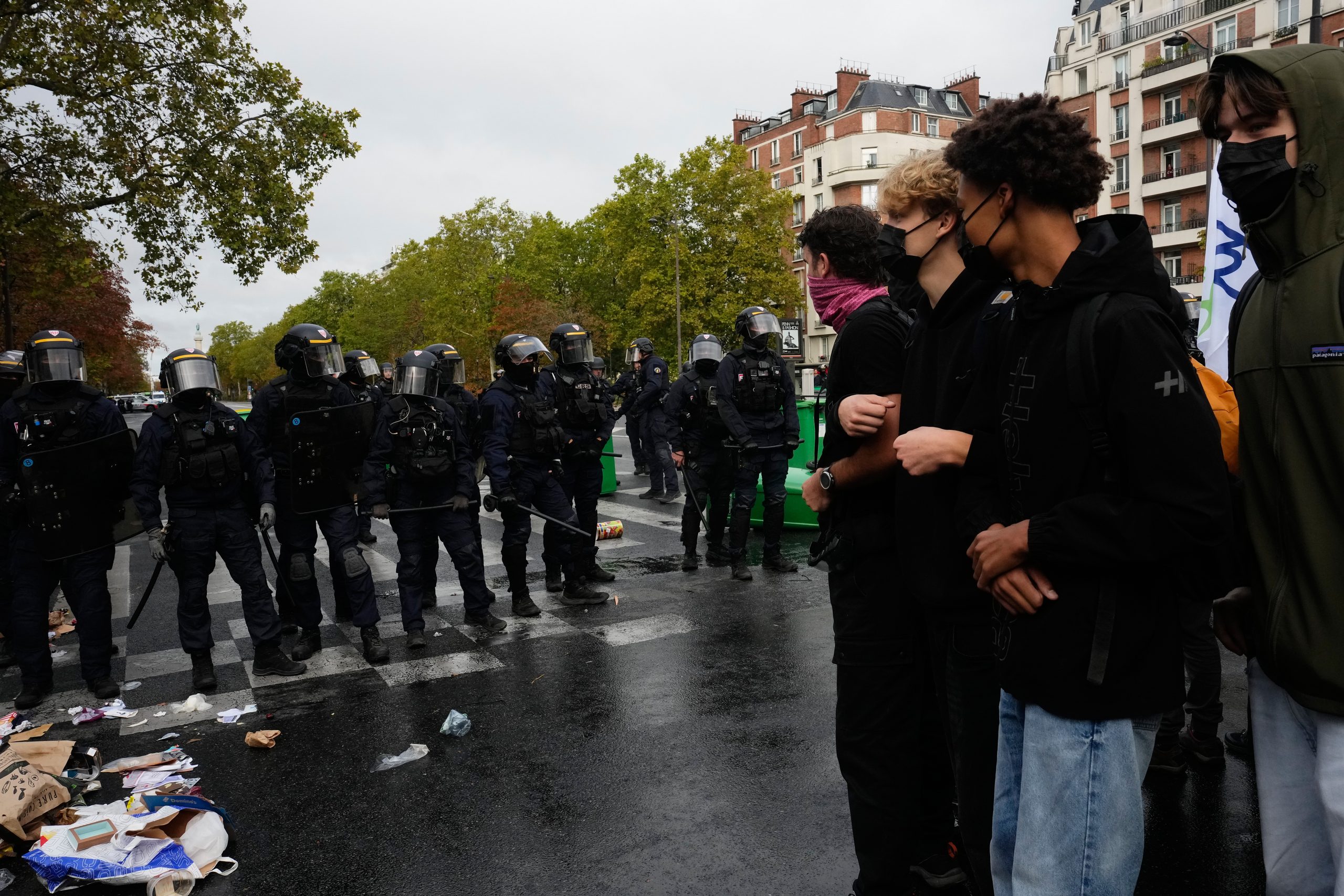
French retailers are facing fresh financial pressure after recent demonstrations kept customers away from shopping areas and forced some businesses to close. The latest reports on Monday, October 26, described the economic effects of protests over living costs and public services. Business leaders said some shops had stayed closed during periods of unrest, while sales in affected areas fell sharply. The losses show how street disorder can spread beyond the people taking part and affect workers, customers, and small firms that rely on daily trade.
For a shop, a closure can mean losing an entire day’s income while still having to pay rent, wages, and other fixed costs. Businesses near protest routes may close early even when no damage has occurred, because owners cannot know how events will develop. Some retailers also take precautions to protect windows and stock. Those measures may reduce the risk of damage, but they cost money and can make a shopping district feel less welcoming to visitors.
The impact is not limited to large stores. Independent retailers, cafés, restaurants, and service businesses often have less financial room to absorb a sudden drop in customers. A small business may depend on a steady stream of shoppers to cover weekly costs. If several days of trade are lost, owners may have to delay purchases, reduce staff hours, or use savings to keep the business running. Workers can also lose income when shifts are cancelled or employers cannot open as usual.
The effect on consumer confidence can last beyond the day of a protest. People may avoid city centres if they expect transport delays, clashes, or closed shops. Tourists may change their plans, while local residents may move their spending to shopping areas that feel safer or easier to reach. Even after streets reopen, businesses may need time to recover their normal customer flow. The result can be a wider loss for neighbourhoods where shops support other local services.
Retailers’ concerns also reflect the wider political situation. Demonstrators say they are responding to serious problems, including the cost of living and pressure on public services. Business owners, however, need stable conditions in which staff and customers can travel safely. These interests do not have to conflict, but violence and property damage make the situation harder for everyone. Peaceful protest is a protected part of public life, while attacks and looting can create costs for people who have no role in the dispute.
Authorities have deployed large numbers of police and are preparing for more demonstrations. Their task is to protect peaceful gatherings while limiting violence and keeping streets accessible. Clear advice about closures and transport can help businesses make decisions before crowds arrive. Retail groups may also need to share information with customers and staff so that people can avoid unnecessary travel during periods of heightened risk.
The government faces a second challenge: responding to public concerns before unrest causes further damage. Steps on education, public services, and household costs could help open a path to dialogue, although any measures will need to be credible and affordable. For retailers, the most immediate need is a safe and predictable trading environment. The longer-term recovery will depend on both public order and whether the economic concerns behind the protests are addressed in a way people consider meaningful.
