


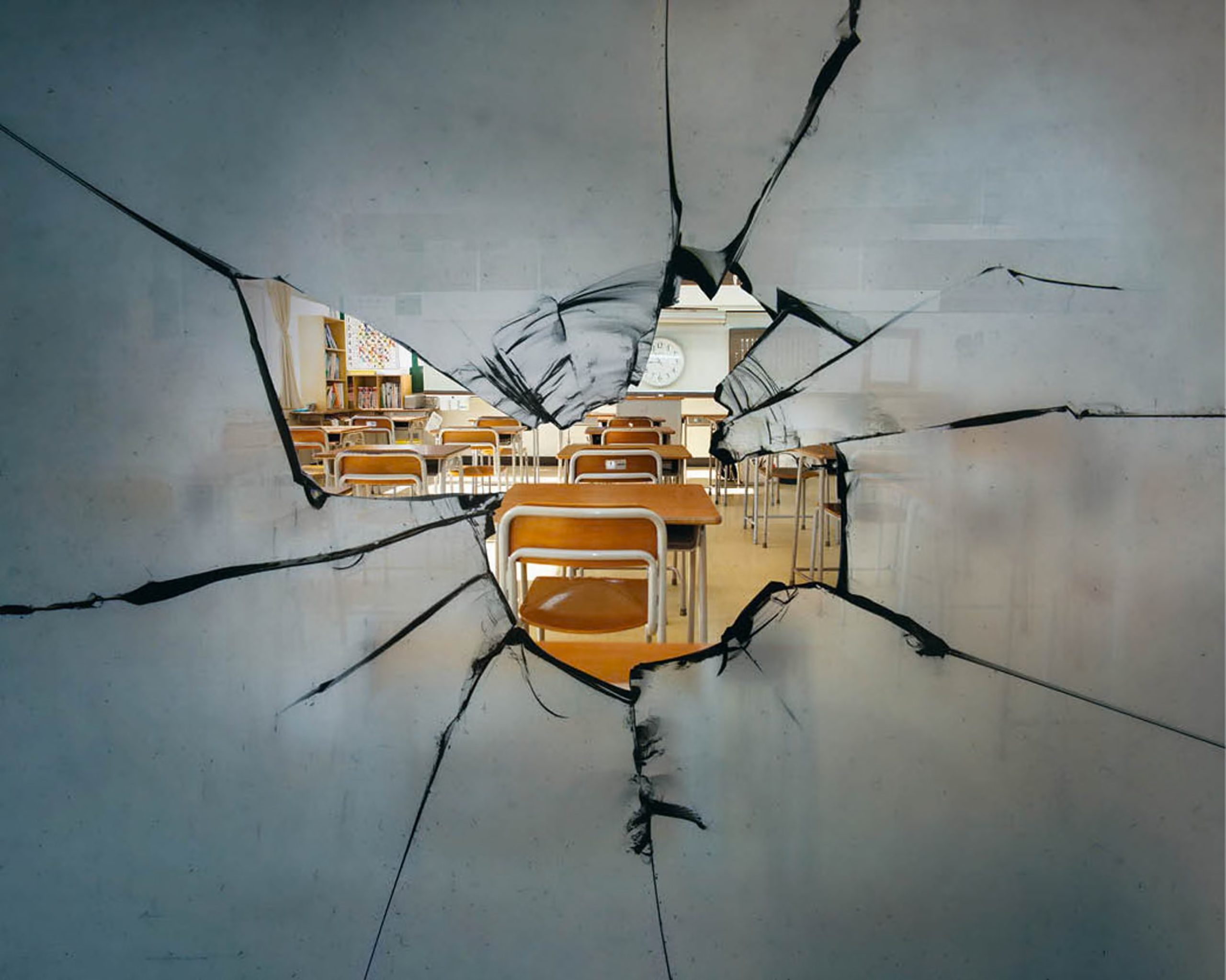
Schools across France are facing a growing problem with vandalism, including fires, damaged classrooms, graffiti and theft. The incidents have raised concern among teachers, parents and local leaders, who say that schools need more than security measures to protect students and public buildings. The problem has also led to fresh questions about why some young people turn against the places where they once studied.
Some cases have caused serious damage and forced communities to spend large sums on repairs. In one example near Lyon, a school was badly damaged by a fire set by two young teenagers in 2024. The cost of repairing the building reached about 1.9 million euros. Such cases show how a single act can affect an entire school community, including students who depend on the building for their education and daily routine.
Experts point to several possible causes behind these acts. Some young people face problems at home, struggle with school work or feel that their concerns are ignored. Others may be drawn into risky acts because they want to gain attention or fit in with a group. Social media can also spread destructive challenges and make harmful behaviour seem exciting or popular. However, no single reason explains every incident, and each case needs careful review.
Teachers and parents have also questioned whether official responses deal with the deeper causes. Security cameras, stronger doors and police action may help prevent some damage, but they do not always solve the anger or isolation that can exist among young people. When schools lack support staff and students feel disconnected from teachers, small problems can grow before anyone steps in to help.
Some local efforts aim to rebuild trust between schools, families and young people. These may include stronger links with parents, support for students who struggle in class and activities that help young people feel part of their community. Such steps take time, but they may help prevent damage before it happens.
The issue also highlights the need for better information. If authorities only count the cost of repairs, they may miss the personal and social reasons behind the damage. Schools need safe buildings, but they also need enough staff and clear ways for students to ask for help.
France now faces a challenge that reaches beyond damaged walls. Protecting schools will require both firm action against serious offences and a stronger effort to understand why some young people reject these places. The response may be more effective when safety measures work alongside education, family support and early help for students at risk.
