


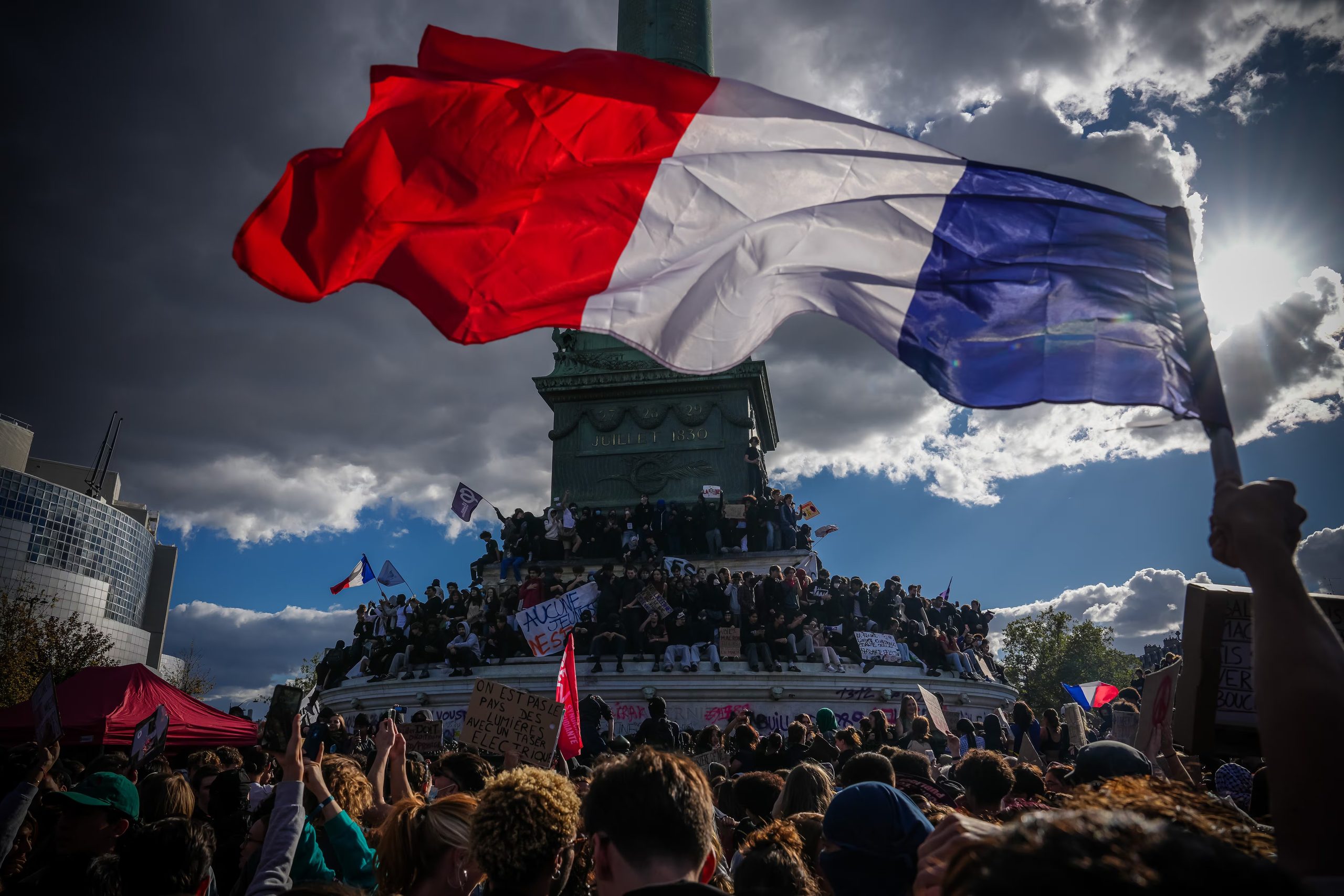
Student protests in France have become a sign of wider anger about public services, school conditions and the relationship between young people and the state. Demonstrations that began around complaints about education have drawn support from families, teachers and other groups. The movement reflects concerns that many schools lack the staff, resources and safe learning spaces that students need.
Young people have raised concerns about missing teachers, crowded classrooms and old school buildings. For students, these are not small problems. When lessons are cancelled or classrooms are poorly equipped, learning becomes harder and the gap between students from different backgrounds can grow. Families with more money may be able to find other options, while poorer households often have fewer choices.
The protests have also brought attention to the way police handle demonstrations. Reports of injured students and force used during clashes have increased public concern. Authorities must keep people safe, but they also face pressure to make sure that police action is necessary and proportionate. When young people believe that their voices are not heard, heavy-handed responses can deepen distrust rather than calm the situation.
The wider political climate has made the dispute more difficult. France is dealing with pressure over public spending, debt and plans for the national budget. These limits can make it harder for the government to promise quick improvements in schools and other public services. Yet families and teachers argue that basic education needs cannot be ignored while officials debate spending priorities.
The protest movement has also found support beyond schools. Farmers, public workers and other groups have voiced their own concerns about the cost of living and the quality of public services. Their involvement shows how education complaints can connect with wider frustration about fairness and the future.
The government has tried to respond to some of the complaints, including promises to provide replacement teachers. But announcements alone may not be enough if students continue to see empty classrooms, damaged facilities and a lack of support. Schools may need long-term investment as well as fast action on the most urgent problems.
The protests leave French leaders with a difficult task. They must protect public order while allowing young people to raise concerns without fear. They must also explain how planned reforms will improve daily school life. The future of the movement will depend partly on whether students and families see real changes, rather than promises that take months or years to reach the classroom.
For many students, the central demand is simple: a school system that gives them a fair chance to learn. Addressing that demand will require open talks, clear plans and a commitment to improving conditions across the country.
