


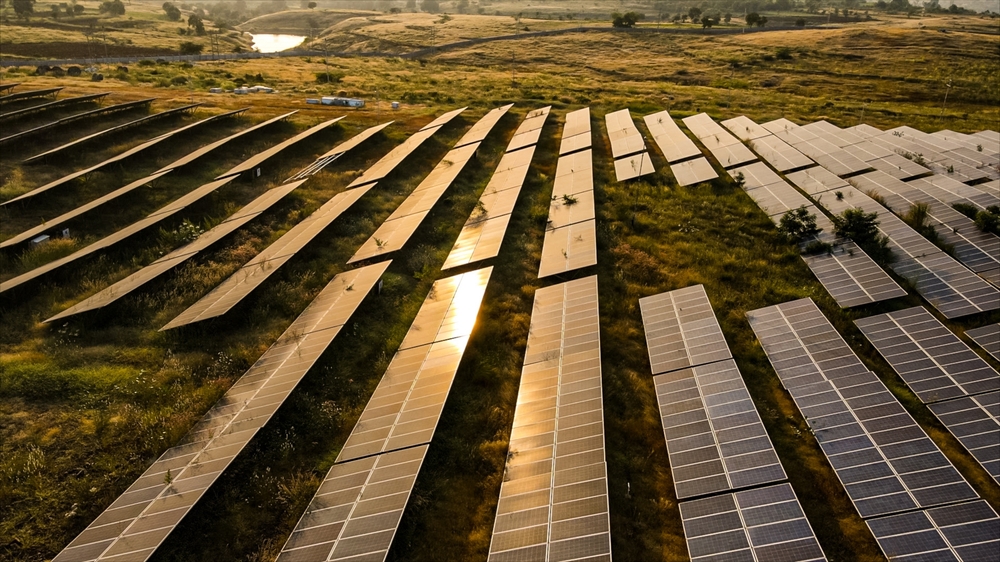
India’s solar expansion wins widespread praise. The transition still conceals a growing waste problem.
In little more than a decade, India emerged as the world’s third-largest solar power producer. Renewable energy now anchors national climate policy. Solar panels cover vast parks and spread across rooftops nationwide.
Large utility parks generate most solar electricity. Millions of rooftop systems also supply power to the grid. Government figures show nearly 2.4 million households joined a subsidised solar programme.
Solar growth reduced reliance on coal-fired power. Thermal and other non-renewables still exceed half of installed capacity. Solar energy now delivers more than 20 percent. This progress creates a new environmental challenge.
Clean Energy With a Dirty End
Solar panels generate clean electricity during use. Their disposal can damage ecosystems without proper controls.
Manufacturers build panels from glass, aluminium, silver, and polymers. Panels also contain small quantities of hazardous metals. Lead and cadmium can pollute soil and water if mishandled.
Most panels operate for about 25 years. Owners then remove and discard them. India has no dedicated recycling budget. Only a few small facilities handle retired panels today.
India releases no official solar waste data. One estimate suggested around 100,000 tonnes by 2023. Volumes could rise to 600,000 tonnes by 2030. Experts warn the biggest surge remains ahead.
The Waste Boom Still Ahead
Specialists caution against delayed action. Without fast investment, waste volumes could overwhelm systems.
The Council on Energy, Environment and Water published stark projections. India could generate more than 11 million tonnes of solar waste by 2047. Managing this would require nearly 300 recycling plants. Investment needs could reach 478 million dollars.
Most major solar parks appeared during the mid-2010s. The main waste wave will arrive in 10 to 15 years, says Rohit Pahwa of Targray. Early planning remains essential.
India’s outlook reflects global experience. The United States could generate between 170,000 and one million tonnes by 2030. China could approach one million tonnes after similar expansion.
Policies Strain Under Rapid Growth
Countries handle solar waste under very different frameworks. Regulation often trails installation speed.
In the United States, recycling relies largely on market forces. State rules create uneven oversight. China, like India, continues to develop its regulatory system. Both lack fully mature national frameworks.
India placed solar panels under electronic waste rules in 2022. The policy makes manufacturers responsible for end-of-life handling. Companies must collect, dismantle, and recycle panels. Enforcement remains inconsistent.
Experts identify gaps in household installations. Home systems represent five to ten percent of capacity. These units remain harder to track and collect. Their combined waste still poses risks.
From Rooftops to Landfills
Broken or unwanted panels often reach landfills. Others pass through informal recycling networks. Unsafe practices can release toxic materials into the environment. Officials have yet to issue detailed public responses.
Environmental expert Sai Bhaskar Reddy Nakka warns against misplaced optimism. Solar power looks clean for two decades, he says. Without recycling, it may leave fields of abandoned modules.
Challenges also create economic opportunity. Rising waste will drive demand for specialist recycling firms, Pahwa says.
Effective recycling could recover 38 percent of materials by 2047. It could also prevent 37 million tonnes of emissions from mining. The CEEW study highlights these gains.
India already supports markets for recycled glass and aluminium. Recycling can also recover silicon, silver, and copper. These materials can serve new panels or other industries, says study co-author Akansha Tyagi.
Current recycling methods remain basic. Operators focus on low-value materials. Precious metals often disappear or yield minimal returns.
Decisions That Shape the Solar Legacy
Experts say the next decade will define India’s solar outcome. The country must build a regulated recycling system. Public awareness must increase. Waste collection must enter solar business models.
Companies profiting from solar power should manage panels after failure, Nakka argues. Responsibility should extend beyond installation.
Without proper recycling, today’s clean energy could become tomorrow’s waste burden.
