


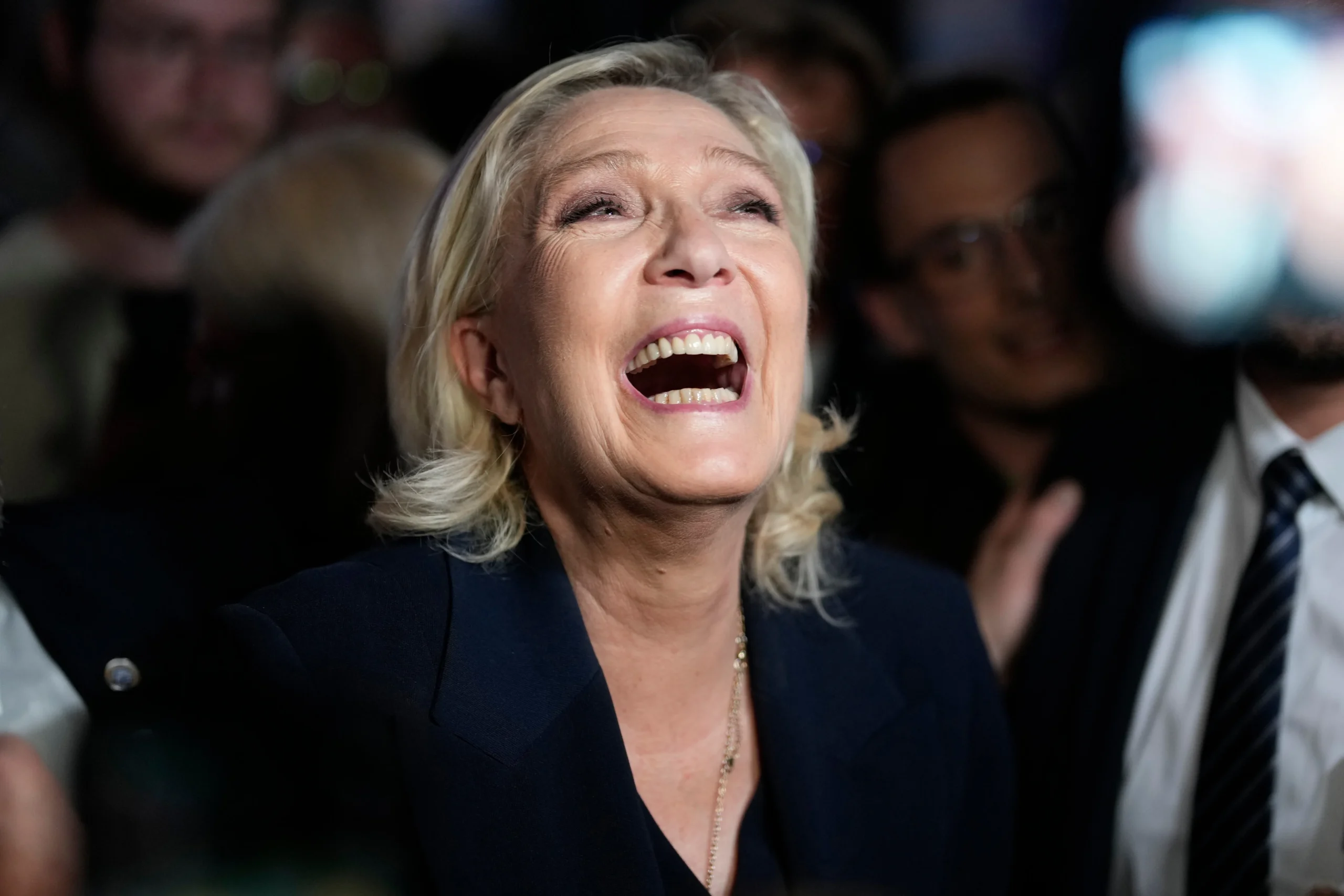
Marine Le Pen is continuing to prepare for France’s 2027 presidential election despite serious legal problems surrounding her political career and party. The far-right politician has made clear that she intends to remain a leading candidate, even after being convicted in a case involving the misuse of European Union funds. Her decision has created a major political and legal challenge, as the final outcome of her appeal could determine whether she is allowed to stand in the election.
Le Pen received a three-year sentence, including two years suspended, in the case involving European funds intended to pay parliamentary assistants. She was also fined €100,000 and given a ban on holding public office. However, the appeal court shortened the period of her disqualification, allowing her to continue pursuing a presidential campaign while the legal process remains unresolved. Her case is now expected to reach France’s highest court, with a decision potentially arriving in early April 2027.
The timing is especially important because the first round of the presidential election is expected in April. If the highest court rejects her appeal, Le Pen could face serious restrictions on her ability to campaign. Her political future is therefore closely connected to a judicial decision that may come only weeks before voters choose their next president. This uncertainty has not stopped her from presenting herself as a central figure in the election.
The legal pressure extends beyond Le Pen herself. Her National Rally party is facing other investigations involving alleged leaks of confidential information, possible misuse of European funds and questions about campaign financing. Party officials have rejected accusations and described some of the investigations as politically motivated. Jordan Bardella, the party’s president and a key figure in its future leadership, is also facing scrutiny over a separate investigation involving European funds.
Le Pen’s strategy appears to rely on the belief that voters will continue supporting her despite the legal controversy. Her allies argue that the final decision should be left to the electorate rather than allowing court proceedings to determine the country’s political direction. Critics, however, warn that elected leaders must respect the rule of law and the decisions of independent courts. The dispute is likely to remain a major issue in French politics as the 2027 election approaches.
