


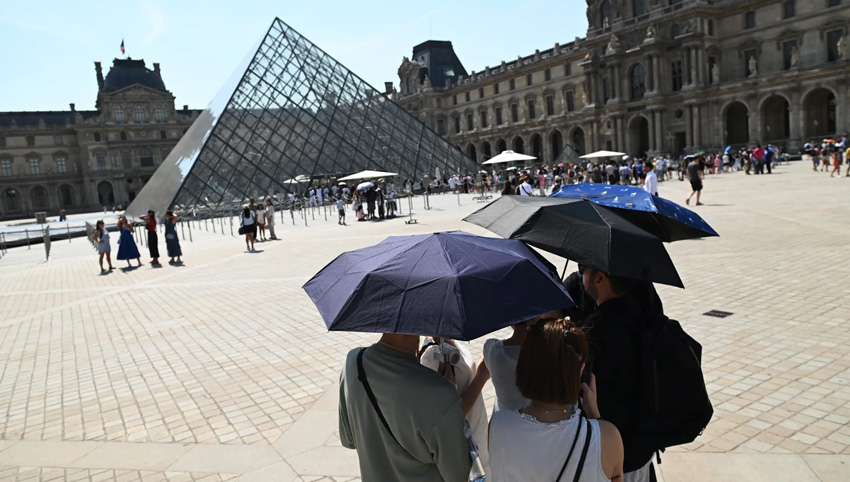
Paris is expanding its use of a large underground cooling network to help buildings stay comfortable during hotter summers. Instead of relying on traditional air conditioners, the French capital uses chilled water that travels through a network of underground pipes to cool offices, museums, shopping centers, and other public buildings.
The system is becoming increasingly important as Europe experiences more frequent and intense heatwaves. Officials say the network provides an energy-efficient way to cool buildings while reducing electricity use and lowering greenhouse gas emissions.
The underground network stretches for about 75 miles beneath the streets of Paris. Water is cooled at special energy plants before it is pumped through the pipes to connected buildings across the city. The chilled water absorbs heat from the buildings before returning to the plants, where it is cooled again and sent back through the system.
Many well-known buildings already use the network. These include offices, shopping malls, and major cultural sites such as the Louvre Museum. The system allows large buildings to stay cool without installing separate air conditioning units for each location.
Air conditioning is less common in France than in many other countries because of climate, building design, and concerns about energy use. As temperatures continue to rise, district cooling is becoming an important solution for cities looking to improve comfort while limiting environmental impact.
The cooling network is operated by Fraicheur de Paris, a company that is part of the energy group Engie. According to the operator, the system uses around 50 percent less electricity than conventional standalone air conditioning systems.
The company also says the network can reduce carbon emissions by about half compared with traditional cooling methods. By sharing one centralized cooling system across many buildings, energy is used more efficiently and unnecessary duplication of equipment is avoided.
District cooling works in a similar way to district heating systems used in many cities. Instead of supplying hot water for heating during winter, the network delivers chilled water to remove heat from buildings during summer.
Experts say centralized cooling systems can also reduce pressure on electricity grids during periods of extreme heat. When many individual air conditioners operate at the same time, electricity demand often rises sharply. Shared cooling infrastructure helps manage that demand more efficiently.
Cities across Europe are looking for new ways to adapt to climate change as average temperatures continue to increase. Heatwaves have become more frequent in recent years, creating greater demand for cooling in homes, workplaces, and public spaces.
Paris has introduced several measures to reduce the effects of extreme heat. Along with expanding its cooling network, the city has increased green spaces, planted more trees, and developed other projects designed to lower urban temperatures.
Energy experts say systems such as district cooling could become more common in densely populated cities because they offer environmental and economic benefits. They can help reduce electricity consumption while supporting efforts to lower carbon emissions.
The technology also allows cities to make better use of available energy resources by serving multiple buildings through one connected network. This can improve efficiency and reduce operating costs over time.
As governments continue investing in cleaner energy solutions, district cooling is gaining attention as an effective way to meet growing cooling needs without significantly increasing electricity use.
With hotter summers becoming more common, Paris is using its underground cooling network to help protect people from extreme temperatures while supporting its long-term climate goals. Officials believe expanding energy-efficient cooling systems will play an important role in making cities more comfortable and sustainable in the years ahead.
