


Paris Haute Couture Week continued with three designers presenting very different creative visions for the Autumn/Winter 2026–2027 season. Elie Saab, Jean Paul Gaultier, and Stéphane Rolland each introduced collections that reflected their own style while celebrating craftsmanship, creativity, and luxury fashion.
Elie Saab returned to the Palais de Chaillot with a collection called “Le Bal des Rêves Indomptés,” or “The Ball of Untamed Dreams.” The designer drew inspiration from the surreal worlds of René Magritte and Salvador Dalí to create elegant gowns with soft shapes and dramatic details.
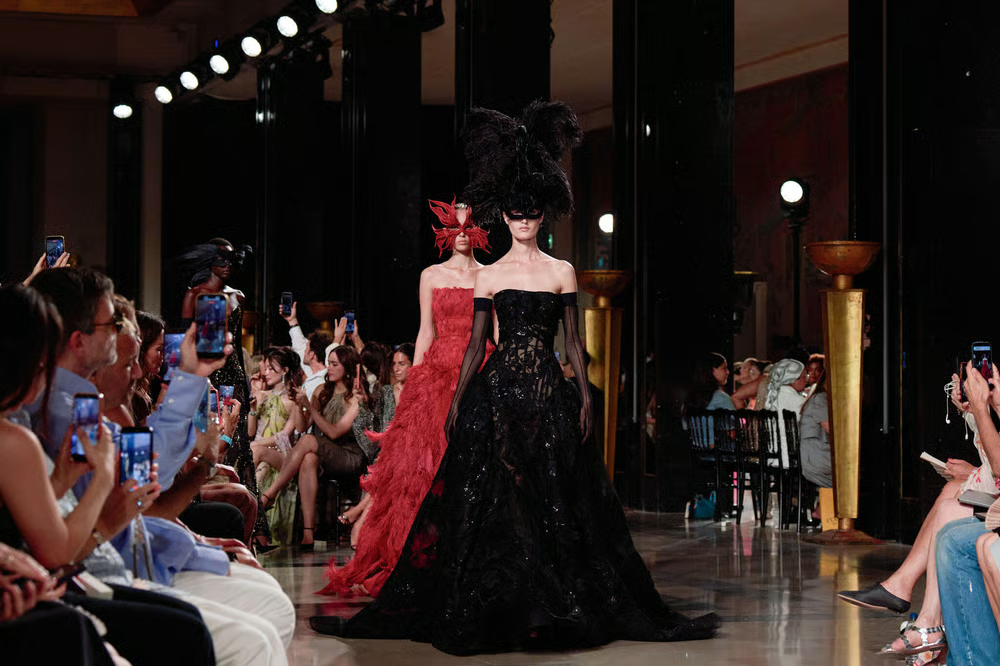
The opening looks featured rich shades of black and burgundy. Roses appeared throughout the collection as embroidered designs, silk decorations, and detailed patterns on collars and pockets. Flowing gowns were finished with long trains, lace, velvet, satin pleats, and sparkling embellishments that reflected the light.
As the show continued, the color palette became lighter with beige, silver, powder pink, and lilac tones. Beaded embroidery formed delicate floral patterns, while some dresses were completely covered with fabric flowers. The final looks paid tribute to 1920s fashion through dresses decorated with beaded fringe that created movement as the models walked.
Feathers became another key feature of the collection. They appeared on gowns and dramatic headpieces, including one designed to resemble a black swan. The collection combined classic haute couture techniques with modern artistic ideas to create romantic and luxurious designs.
Jean Paul Gaultier also presented a new haute couture collection designed by Dutch creative director Duran Lantink. It marked his second couture presentation for the famous French fashion house after taking over the creative role.
The collection focused on the world of horse riding and equestrian sports. Models wore tailored riding trousers, fitted jackets, and hairstyles inspired by traditional equestrian fashion. The runway itself reflected the theme, creating the feeling of a dressage performance.
Lantink combined structured tailoring with unusual shapes and creative proportions. Some dresses featured unexpected side extensions, while others introduced dramatic necklines and sculptural forms. The designer continued exploring bold silhouettes that have become part of his signature style.
The collection also included references to the fashion house’s history. One dress echoed armor-like designs from an earlier haute couture collection, while other pieces reflected the brand’s long tradition of artistic experimentation.
Several of the most memorable designs featured striking decorative details. One look included a top covered with long glass beads and black pearls. Another dress used pink feathers to create shapes that resembled flamingo necks. Corseted gowns with sculptural forms added further drama to the runway.
The show concluded with a large burgundy gown featuring wide side structures and layers of silk and tulle. The final presentation received a standing ovation, showing strong support for Lantink’s latest creative direction.
Stéphane Rolland chose the historic Olympia theatre in Paris as the setting for his latest haute couture collection. The designer dedicated the show to singer Dalida, drawing inspiration from her return to the stage during the early 1970s.
Rather than recreate the famous performer directly, Rolland focused on expressing her strength, confidence, and elegance through fashion. Music associated with Dalida played throughout the presentation, creating an emotional atmosphere from beginning to end.
Most of the opening looks were created in white, cream, and soft neutral shades. Flowing capes, lightweight fabrics, and elegant tailoring gave the impression that the models were moving effortlessly across the stage. Crepe, chiffon, organza, and gazar fabrics captured the light and emphasized the graceful movement of each design.
One of the standout pieces featured a white gown with a deep neckline and a dramatic feathered skirt that created striking volume. Later in the show, bright red designs introduced a bold contrast before darker black creations brought a more theatrical mood to the collection.
Rolland also highlighted the craftsmanship behind every garment. Precious stones including rock crystal, quartz, and amethyst were carefully embroidered into many of the designs. The collection was created entirely in Paris by skilled artisans using traditional haute couture techniques.
The three collections demonstrated the diversity of Paris Haute Couture Week. While each designer followed a different creative path, all highlighted the importance of expert craftsmanship, artistic expression, and timeless fashion design. Their latest collections continue to show why Paris remains one of the world’s leading centers for luxury fashion.
