


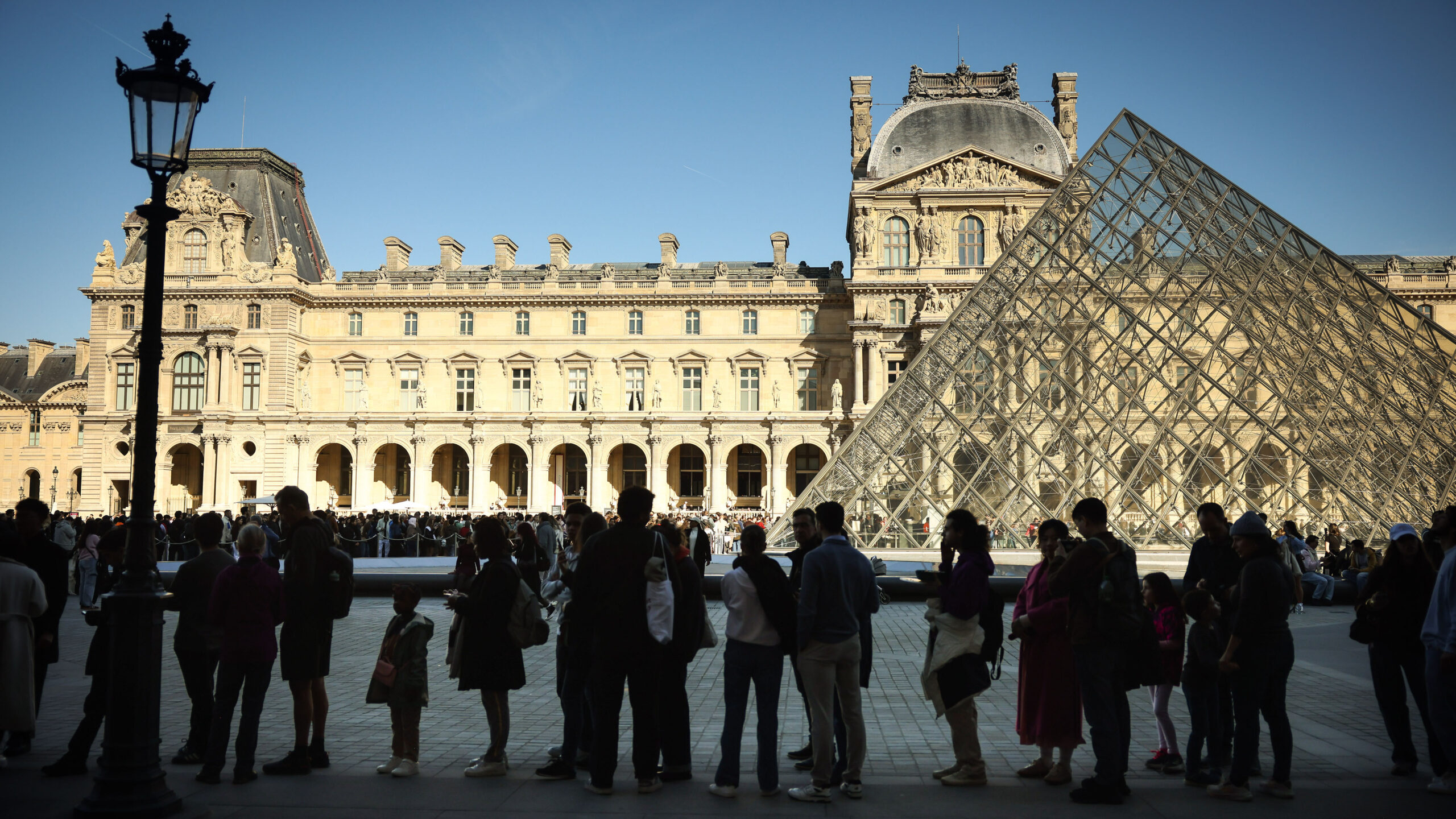
French authorities have arrested a 27-year-old man in Paris over an alleged terror plot that may have targeted the world-famous Louvre Museum and members of the city’s Jewish community.
The suspect, a Tunisian national, was taken into custody on May 7 and is now in pre-trial detention while investigations continue.
According to the French Interior Ministry and anti-terror prosecutors, the case began after police stopped the man in Paris on April 28 for allegedly driving with a forged license.
Authorities said that after the traffic stop, investigators accessed his phone, which led to the discovery of suspicious material.
Officials claim the suspect had been discussing possible attack plans, including potential access routes into the Louvre Museum and ideas for placing explosives inside the building.
The Louvre is the world’s most visited museum and one of France’s most important cultural landmarks, making it a high-profile potential target.
However, officials stressed that the alleged plan was not fully developed before the arrest took place.
Investigators also said the suspect was allegedly planning attacks against members of the Jewish community in Paris.
Following the findings, the French Anti-Terrorism Prosecutor’s Office opened a formal investigation on Monday on charges related to terrorist association with intent to commit violent crimes.
Authorities reported that material found on the suspect’s phone included jihadist propaganda videos, ISIS-related imagery, and hundreds of pictures of weapons such as firearms and knives.
They also said encrypted messages showed contact with individuals believed to be linked to extremist networks outside France.
The suspect allegedly discussed detailed ideas about possible attack methods, including chemical substances such as ricin toxin, according to investigators.
Officials said the case is being treated as a serious counterterrorism matter, although they believe the attack was stopped before it could be fully planned or executed.
The suspect reportedly entered Europe through Lampedusa in Italy in 2022 and had been living in the Paris region without legal residency status.
French authorities have increased security monitoring in recent years due to ongoing concerns about extremist threats and lone-actor attacks in major cities.
Paris, in particular, has been the target of past terrorist incidents, leading to heightened security around major landmarks, transport hubs, and public gatherings.
Officials say rapid intervention by police and intelligence services played a key role in preventing the alleged plot from progressing further.
During questioning, the suspect reportedly denied any intention to carry out a violent attack. He told investigators that his interest in extremist material was driven only by “curiosity” about ISIS ideology.
However, prosecutors say digital evidence collected from his devices suggests more serious intent and planning.
The investigation remains ongoing, and authorities are continuing to examine communications and connections linked to the suspect.
French officials have not ruled out the possibility of additional arrests if further links to extremist networks are identified.
Security experts say the case highlights the continued challenge European countries face in tracking online radicalisation and preventing potential attacks before they occur.
The alleged plot also underscores the importance of digital monitoring in modern counterterrorism operations, where much of the planning activity can take place through encrypted platforms and online networks.
As the investigation continues, French authorities have reaffirmed their commitment to protecting public spaces and cultural sites, particularly in Paris, which remains one of the most closely monitored cities in Europe for security threats.
