


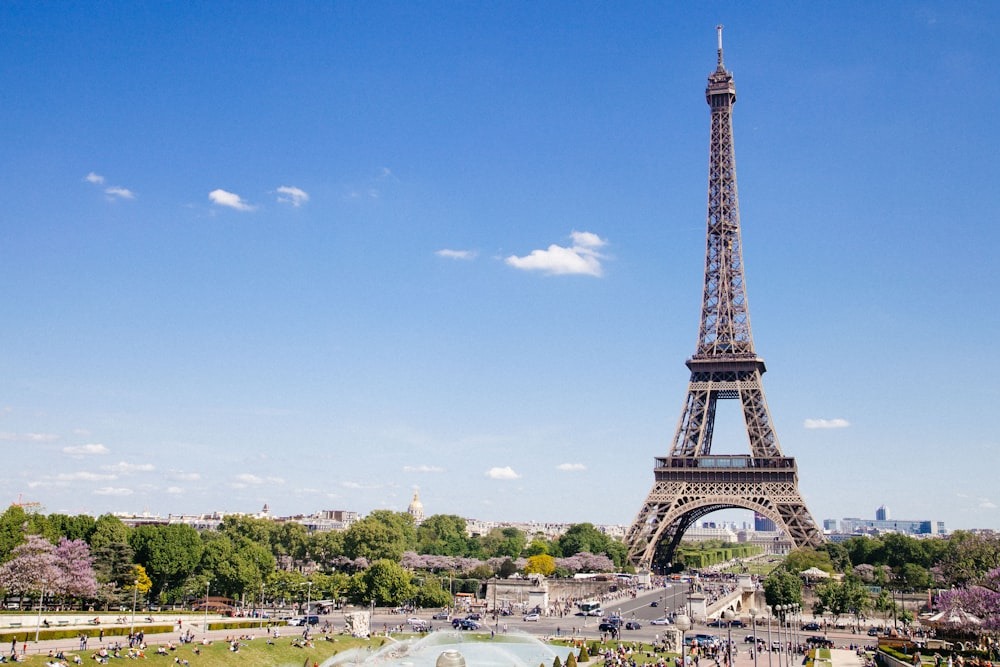
Paris continues to dominate France’s startup landscape, according to fresh ranking data released this week, with the capital hosting nearly four thousand of the nearly seven thousand startups tracked nationwide alongside the vast majority of the country’s unicorn companies. The latest figures from startup tracking platform StartupBlink place well known names including Criteo, Back Market, and Qwant among the top ranked French companies this September.
The data shows France maintaining a genuinely large and active startup ecosystem, with 6,973 ranked companies nationwide as of this month’s count. Paris alone accounts for 3,958 of those startups, along with 28 of the unicorn companies, private firms valued above one billion dollars, that have emerged from the broader French technology sector in recent years. That concentration underscores just how central the capital remains to the country’s innovation economy, even as officials have worked to promote startup activity in other regions.
Industry observers note that Paris’s growth as a startup hub, while still substantial, has shown signs of gradually slowing compared to the rapid expansion seen in earlier years. The city continues to anchor the ecosystem through its concentration of venture capital, established talent networks, and major industry events, but founders and investors increasingly point to other French cities developing their own specialized strengths within the broader national innovation landscape.
Several sectors have emerged as particular strengths within the French startup ecosystem this year, according to the latest analysis. Artificial intelligence, health technology, climate focused ventures, deep technology, cybersecurity, and digital commerce all rank among the fields where French founders have built genuine competitive positions, both domestically and increasingly on the international stage.
Public support mechanisms continue playing a significant role in sustaining this ecosystem, with the state investment bank Bpifrance and the government backed La French Tech initiative providing research funding and pilot programme support for emerging companies. These public backing mechanisms have helped French startups access early stage capital and validation opportunities that might otherwise prove difficult to secure purely through private investment channels alone.
Analysts tracking the sector have cautioned against relying on outdated or inconsistently sourced figures when discussing the scale of France’s startup ecosystem, noting that older claims suggesting the country hosts more than ten thousand startups stem from different counting methodologies and earlier data collection periods. Current directories using more consistent definitions point to a somewhat smaller but still substantial ecosystem, reinforcing the importance of citing dated, sourced figures when evaluating France’s competitive position within European technology markets.
Founders building companies within this ecosystem have been encouraged to treat rankings and directory listings as useful reference points rather than definitive proof of commercial traction, with startup advisors stressing that genuine customer validation and revenue generation remain the metrics that ultimately determine long term success regardless of how favorably a company appears within broader ecosystem rankings.
As France’s startup sector continues evolving through the remainder of the year, this latest ranking data offers a useful snapshot of where innovation activity currently concentrates across the country. With Paris maintaining its leading position while other cities develop their own sector specific strengths, the broader French startup landscape appears to be diversifying gradually even as the capital retains its role as the primary hub for venture capital, top talent, and major industry events shaping the country’s technology sector.
