


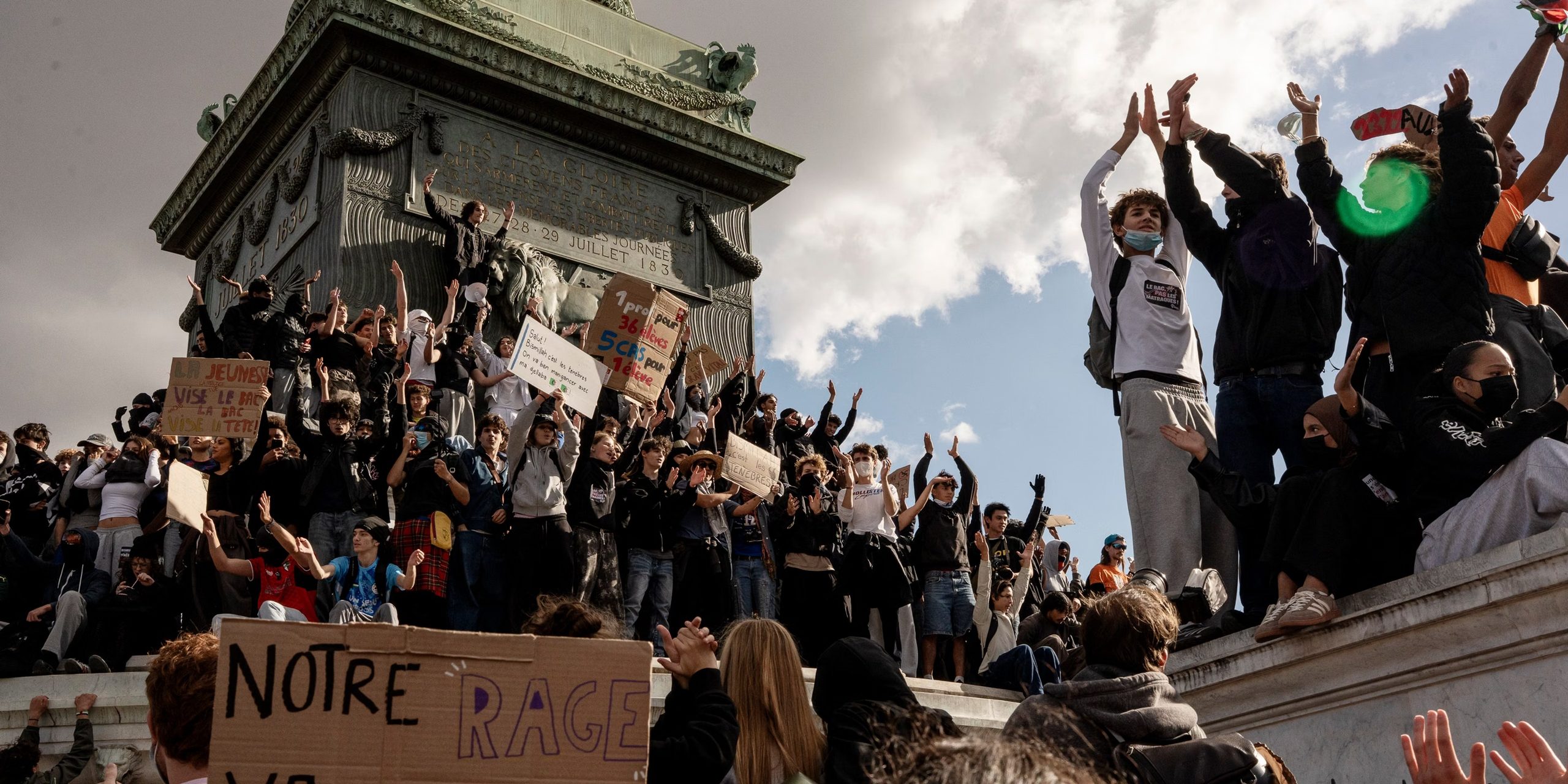
France is facing a combination of economic, environmental and social pressures that are affecting households, schools and farmers. A report published by Le Monde on 12 October describes growing frustration over high energy costs, inadequate housing and public services struggling to meet demand. The effects are visible in different parts of the country, where families are trying to manage rising expenses while workers and students express concerns about their futures. The problems are occurring as the government faces heavy public debt and limited room for new spending.
Extreme summer heat has added to these concerns. Prolonged periods of high temperatures have affected daily routines, increased discomfort in homes and raised questions about whether public buildings are prepared for a warmer climate. Students and teachers have also raised concerns about school conditions and the ability of education systems to respond to environmental change. For households without suitable cooling, heat can make ordinary activities more difficult and increase feelings of isolation.
Farmers are facing a separate but related challenge. Drought has damaged crops in some areas, while higher fuel and fertiliser prices have increased production costs. Agricultural organisations have warned that financial losses threaten the future of some farms. The government has announced measures intended to provide short-term support, but producers continue to face uncertainty over weather conditions and the cost of essential supplies.
Public services are under pressure as well. Hospital workers and other public employees have raised concerns about resources and working conditions, while economic uncertainty is affecting confidence among younger people. These problems do not have a single cause, and solutions will require different measures across housing, agriculture, education and public finance.
The situation presents a difficult task for policymakers. Public spending may help address immediate needs, but France must also manage its debt and prepare for longer-term challenges such as climate change. The debate is increasingly about how to protect living standards while ensuring that public services remain sustainable. The choices made in the coming months may shape the country’s economic and social priorities for years to come.
