


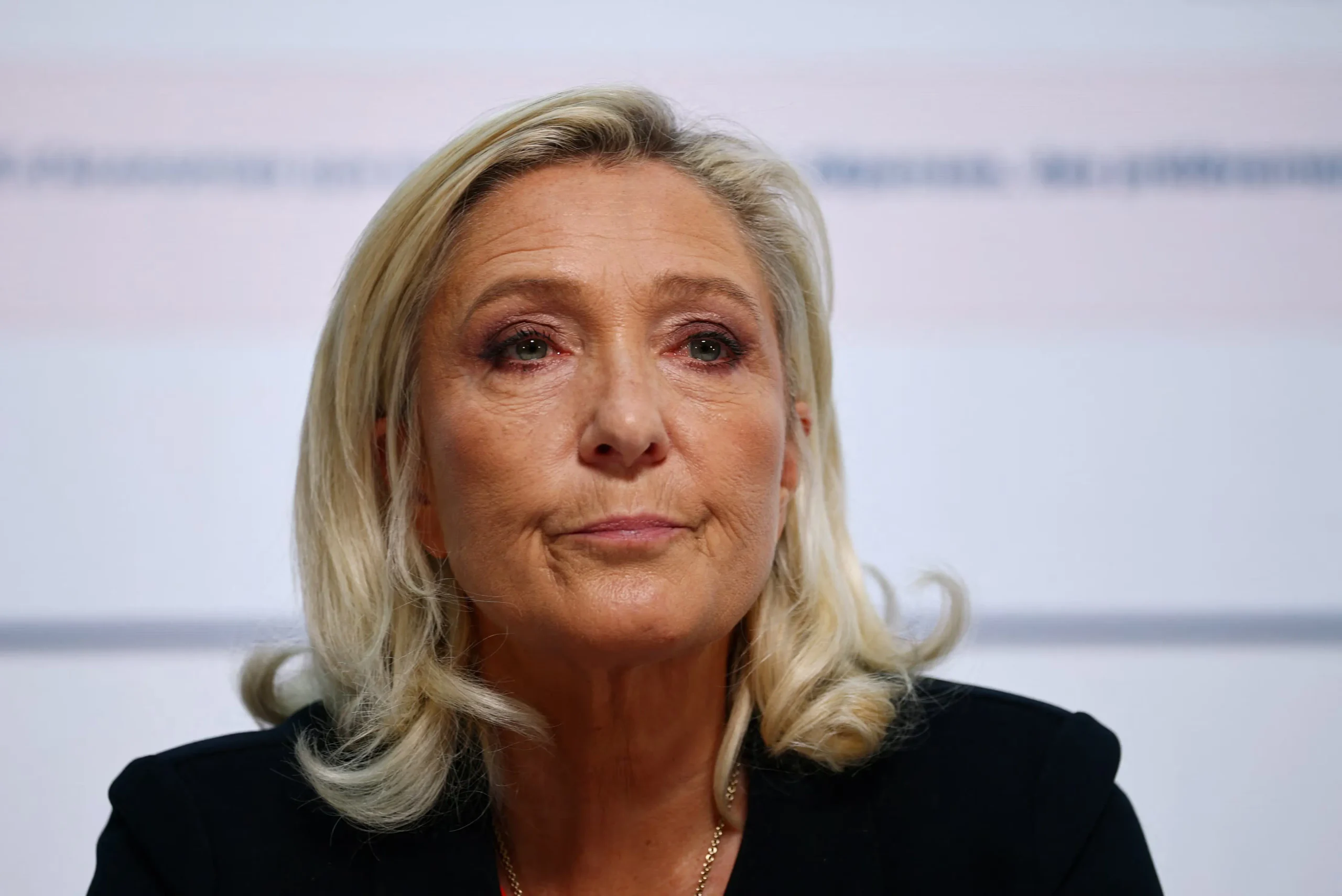
A new opinion poll published on 12 October suggests that Marine Le Pen and Jean-Luc Mélenchon could face each other in the second round of France’s next presidential election. The survey places the far-right leader and the hard-left politician ahead of other candidates in the scenarios tested. The findings offer a snapshot of a political landscape where voters are considering sharply different approaches to the country’s future. However, polls measure public opinion at a particular moment and cannot determine the eventual election result.
The survey comes as President Emmanuel Macron’s time in office approaches its end and political parties prepare for the next presidential contest. Le Pen’s political movement has built support around immigration controls, national identity and criticism of established institutions. Mélenchon, meanwhile, has attracted voters with proposals focused on social spending, workers’ rights and a stronger role for the state in the economy. Their positions differ substantially, reflecting divisions over how France should respond to economic pressure and social change.
The poll also points to difficulties for centrist candidates seeking to maintain the political space associated with Macron. The results may encourage parties to review their strategies, strengthen their campaigns and work to persuade undecided voters. Yet an early survey cannot show how candidates will perform once the campaign develops or how public opinion may change. Turnout, alliances, policy debates and unexpected events can all influence an election.
France’s presidential contest is expected to attract close attention because its outcome could affect domestic policy and the country’s approach to the European Union and international affairs. For now, the poll provides evidence of competition between candidates from opposite ends of the political spectrum. The coming months will show whether that pattern remains stable as parties present their programmes and voters assess the available choices.
