


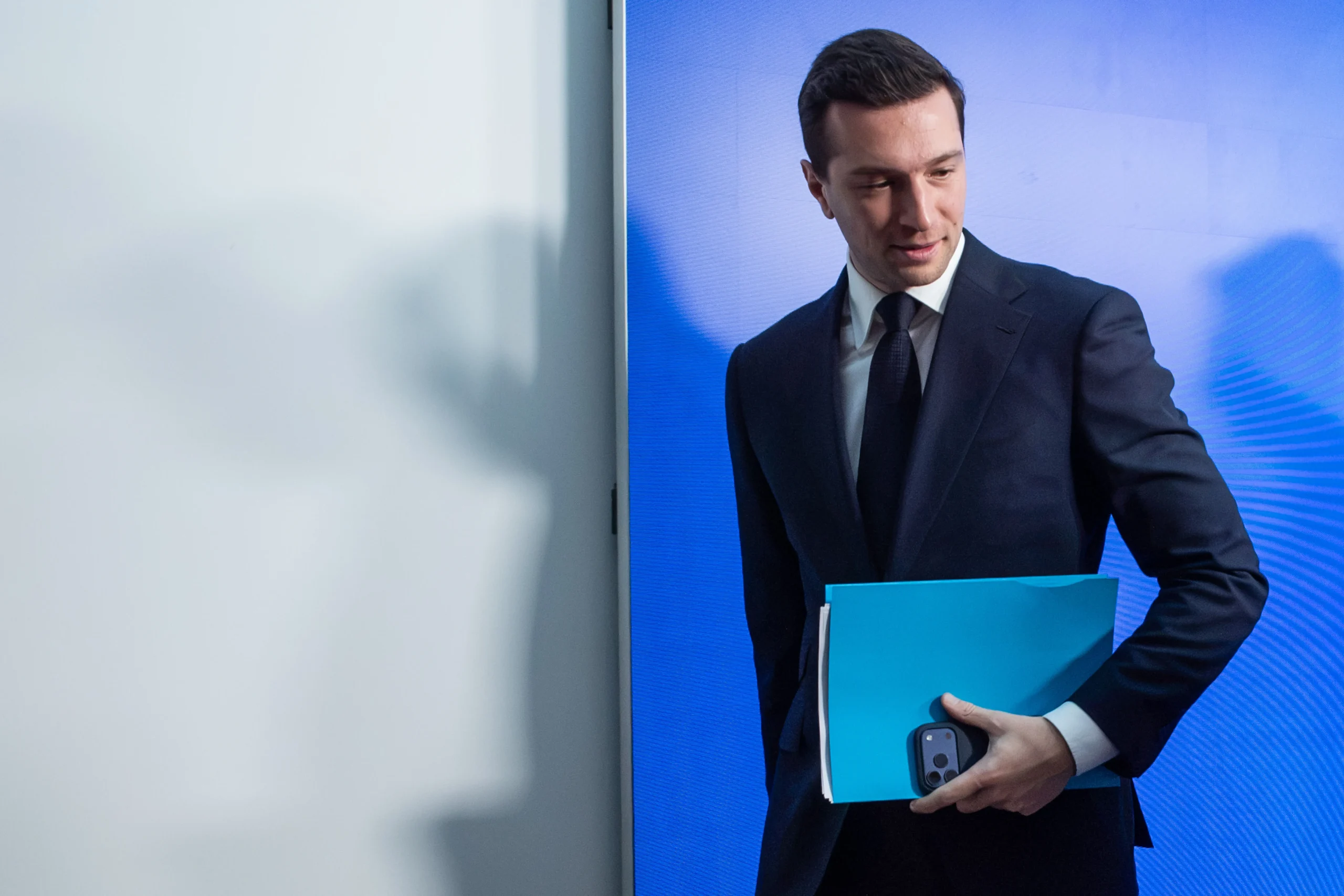
A new investigation published by Le Monde has presented further evidence linking Jordan Bardella, the leader of France’s far-right National Rally party, to antisemitic and conspiratorial messages sent through Facebook Messenger in 2013. The messages were originally reported by the investigative website Mediapart in September. Bardella has denied writing them, but the latest investigation says that a detailed examination of the conversation and its digital records supports the claim that the account belonged to him. The revelations have created fresh political pressure for a party seeking to strengthen its position ahead of the 2027 presidential election.
Le Monde said it obtained the complete conversation between an account using Bardella’s name and a former schoolmate who has been identified publicly under the name Sacha to protect their identity. The newspaper examined the messages directly on the source’s Messenger account and also reviewed an archive downloaded through Meta’s information-export system. The source requested the archive in the presence of a judicial officer, who certified the extraction process. The newspaper said the downloaded file contained the complete conversation from 2013 and matched the messages visible on the source’s account.
The investigation identified several details that it says connect the account to Bardella. These include personal information about his school years, details about his political activities and writing patterns that correspond with material he published publicly at the time. The newspaper also examined links between the account and other online profiles associated with Bardella’s earlier internet activity. It said the different elements provide a consistent picture of the account’s identity. The report also included new extracts from the conversation, which contained statements described by the newspaper as antisemitic and conspiratorial.
Bardella has rejected the accusations. Through his lawyer, he denied being the author of the messages and criticised the methods used by the journalists. His legal representative argued that the investigation did not provide new evidence compared with earlier reporting and said Bardella reserved the right to take legal action. The National Rally leader has previously described the allegations as an attempt to damage his reputation. The dispute therefore involves both the authenticity of the digital material and the political consequences of the messages.
The controversy comes at a sensitive moment for the National Rally, which is preparing for the next presidential election. Bardella is one of the party’s most influential figures and has been viewed as a possible candidate or central campaign leader. The latest investigation could make it harder for the party to avoid questions about his past statements, particularly as it seeks support from voters beyond its traditional base. However, the political impact will depend on how the public responds to the evidence, the party’s defence and any further developments in the dispute.
