


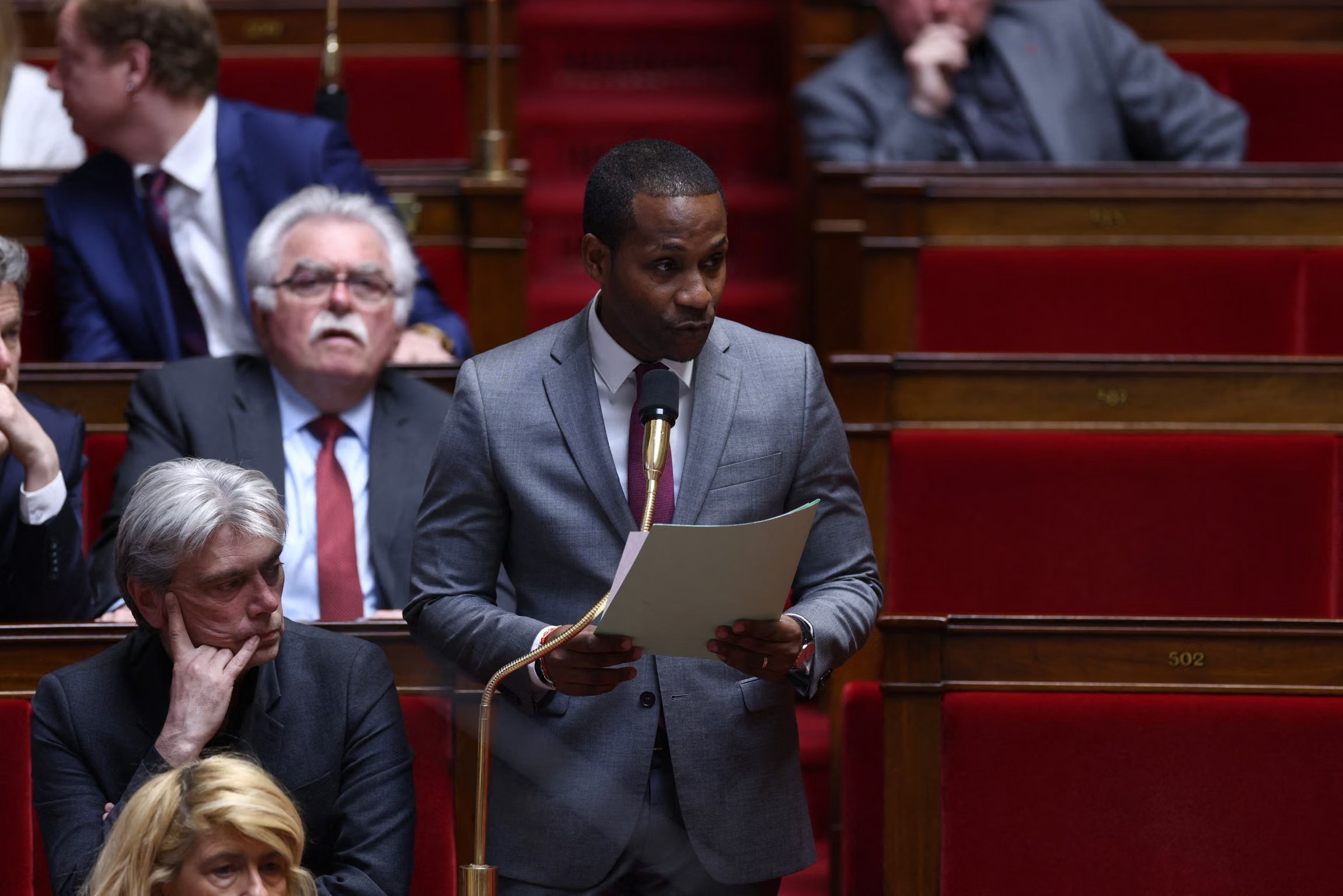
A new report presented in France has highlighted the difficulties faced by people from the country’s overseas territories when trying to reach management positions in the public service. The report, attached to the 2027 budget, was prepared by Martinique-born lawmaker Jiovanny William. It describes structural barriers that continue to limit the access of overseas residents to middle-management roles in government departments. The findings have renewed discussion about equal opportunities within France’s public institutions and whether recruitment systems provide fair access to candidates living outside mainland France.
The report points to a significant imbalance in the distribution of public employees. The administrative attachés corps, which includes around 39,000 state employees, has only about 1,200 people assigned to overseas territories. Earlier studies have also suggested that people from these territories are more likely to remain in lower-level positions, while management jobs are more frequently occupied by people who come from mainland France. This pattern raises questions about career development and whether public institutions are making sufficient efforts to promote local talent.
The recruitment process itself creates additional challenges. Candidates living in overseas territories are estimated to have two to three times fewer chances of succeeding in the competitive entrance examinations for regional administration institutes. In 2026, only 23 of the 811 successful candidates were from overseas territories. The report identifies several possible reasons, including the distance from training centres, the cost of travelling to mainland France, limited access to local preparation programmes and uncertainty about whether successful candidates will be able to return home for work.
William has proposed a series of measures designed to reduce these barriers. His recommendations include expanding the Prépas Talents programme, which helps candidates prepare for public-service examinations, and creating more recruitment competitions that allow successful applicants to work in their home territories. He also wants stronger financial support for candidates who need to relocate for training and more management positions to be opened in overseas departments. Another proposal is to establish a regional administration institute or local branches in overseas territories.
The administration has expressed concerns about the financial cost of creating a separate institute, with estimates suggesting that such a structure could require around €10 million annually. However, the report argues that improving access to public-service careers is important for fair representation and effective local administration. Overseas territories need experienced officials who understand local conditions and can contribute to public policy. The debate now centres on whether France can reform its recruitment and training systems to provide more equal opportunities across all parts of the country.
