


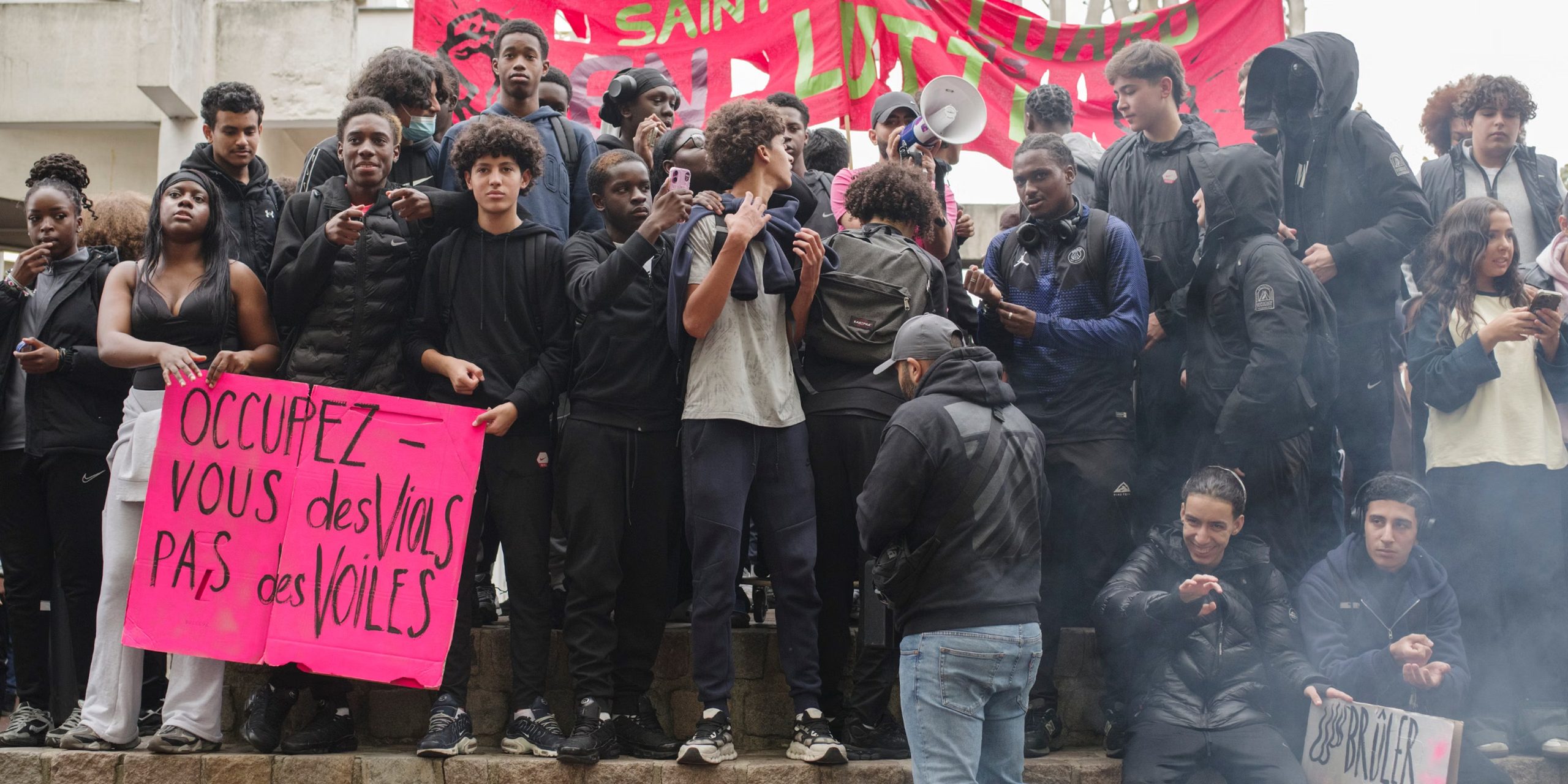
Student demonstrations across France continued to draw attention to unequal school conditions, with a secondary school in Saint-Denis becoming a symbol of wider frustration. In a report published on October 14, 2026, Le Monde described students’ concerns about damaged buildings, missing teachers and a lack of basic support. The protests have developed into a national debate about whether public schools receive the resources they need to provide fair opportunities for every student.
Lycée Paul-Eluard, located in Saint-Denis near Paris, has become one of the main centres of the movement. Students say they have faced broken windows, uncomfortable classroom temperatures and delays in building repairs. They have also raised concerns about the absence of support staff, including social workers, who can help students dealing with personal or family difficulties. For many demonstrators, these problems reflect long-standing neglect rather than a temporary shortage of resources.
The protests have continued for several weeks, with students demanding better facilities, enough teachers and changes to the university admissions system. They have also called for a major increase in education investment. Students argue that the quality of their education should not depend on the area where they live or the financial position of their families. Their message has gained support from some teachers, parents and activists who say educational inequality can limit young people’s future choices.
A gathering at the school on October 13 brought together students, teachers, lawyers and climate activist Greta Thunberg. The event drew attention to the conditions faced by pupils in one of France’s less wealthy departments. Demonstrators criticised the government’s response, saying promises of additional substitute teachers did not address every problem in their schools. They want clear commitments, firm deadlines and practical improvements that students can see.
The demonstrations have also created tension between protesters and police. Some school blockades and marches have led to clashes, while other gatherings have remained peaceful. Authorities say they must protect public safety and prevent damage, but students argue that a heavy police presence cannot replace teachers, repairs or student support services. This disagreement has become part of the wider debate about how officials respond to young people’s demands.
The government faces a difficult task. Education budgets must compete with other public spending priorities, yet school conditions affect employment prospects, social mobility and national economic development. Better facilities alone cannot solve every educational problem, but safe classrooms, stable teaching teams and appropriate support services are essential foundations for learning.
The movement also raises questions about how education policy is developed. Students and teachers often have direct experience of problems that may not be obvious in national statistics. Regular consultation with school communities could help officials identify urgent needs and set realistic priorities. Publishing progress reports would also make it easier to judge whether promised changes are being delivered.
For students in Saint-Denis, the central issue is whether their concerns will lead to lasting improvements. The protests have already brought national attention to their school, but attention alone cannot repair buildings or fill vacant positions. The government’s next steps will help determine whether the demonstrations become a turning point in the debate over educational equality in France.
