


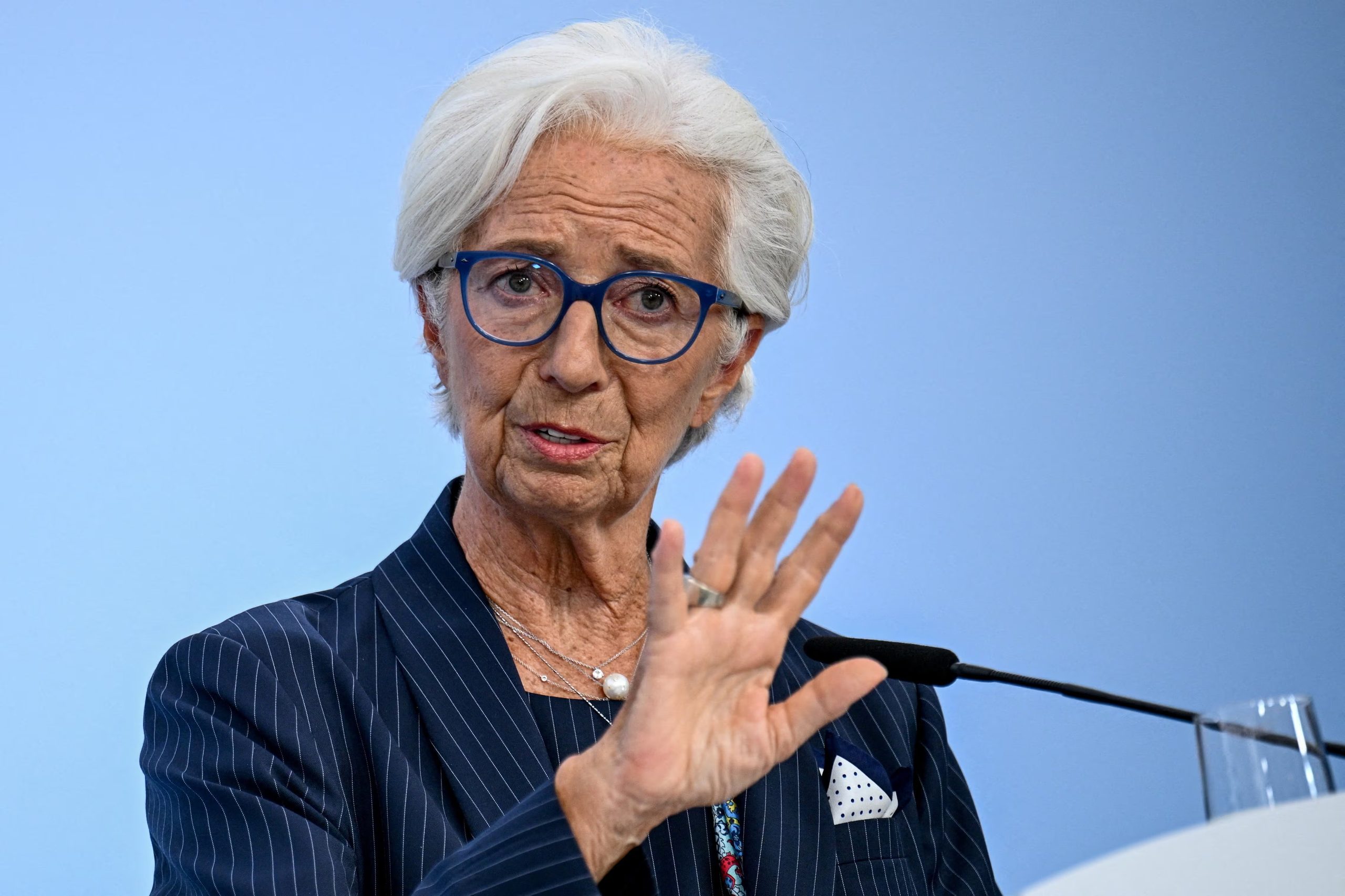
France is facing renewed pressure to address its public debt and reassure financial markets, after European Central Bank President Christine Lagarde said the main solution must come from the country’s own fiscal policies. Her comments, reported by Reuters on October 14, 2026, came as investors continued to watch France’s budget debate and the political uncertainty surrounding plans to reduce the deficit.
French government bonds have come under pressure as investors assess whether the government can control borrowing and agree on a credible budget. When investors become less confident about a country’s finances, they may demand higher returns before lending money to its government. That can raise borrowing costs over time and leave less room in the public budget for services, investment and emergency support.
Lagarde’s comments indicated that France should not depend on the European Central Bank to solve its fiscal difficulties. The ECB has tools designed to address severe market disruption, but those measures are not a substitute for a government’s own decisions about taxation, spending and debt. France must therefore persuade investors that its financial plans are realistic and that political disagreements will not prevent action.
The challenge is complicated by the country’s domestic political situation. Budget decisions often require compromise between parties with different views on public services, taxes and spending reductions. Measures intended to reduce borrowing may face resistance if voters believe they will weaken hospitals, schools or household support. At the same time, delaying difficult decisions can prolong uncertainty and increase pressure on government finances.
Higher energy prices have added another risk for the wider European economy. Energy costs affect household bills, transport and business operations, while sustained price increases can influence inflation and interest-rate decisions. Lagarde has warned that policymakers are monitoring the risk that higher energy costs could spread into wages and other prices. If inflation becomes more persistent, households and companies may face a longer period of financial pressure.
France’s economic outlook also matters for the wider eurozone. As one of the region’s largest economies, France plays an important role in European trade and financial markets. A prolonged period of fiscal uncertainty could affect investor confidence beyond its borders, particularly if markets begin to question whether other governments can manage similar pressures.
The government must balance the need to reduce its deficit with the need to protect economic activity. Rapid cuts can reduce borrowing in the short term, but poorly targeted reductions may also weaken demand or reduce investment in public services. Raising taxes can bring in revenue, yet it may create pressure for businesses and households. A credible plan will need to explain both the savings and the likely economic effects.
For companies, clearer fiscal plans could make it easier to assess investment, hiring and financing decisions. For households, the outcome may influence public services, taxes and the cost of government borrowing. Investors will continue to assess not only the numbers in the budget but also whether political leaders can agree on a workable plan.
Lagarde’s message places responsibility on France’s political leaders to provide that clarity. The ECB can monitor financial stability, but it cannot make the country’s budget choices. France’s ability to restore confidence will depend on whether its government can set out a credible path for public finances and maintain enough political support to follow it.
