


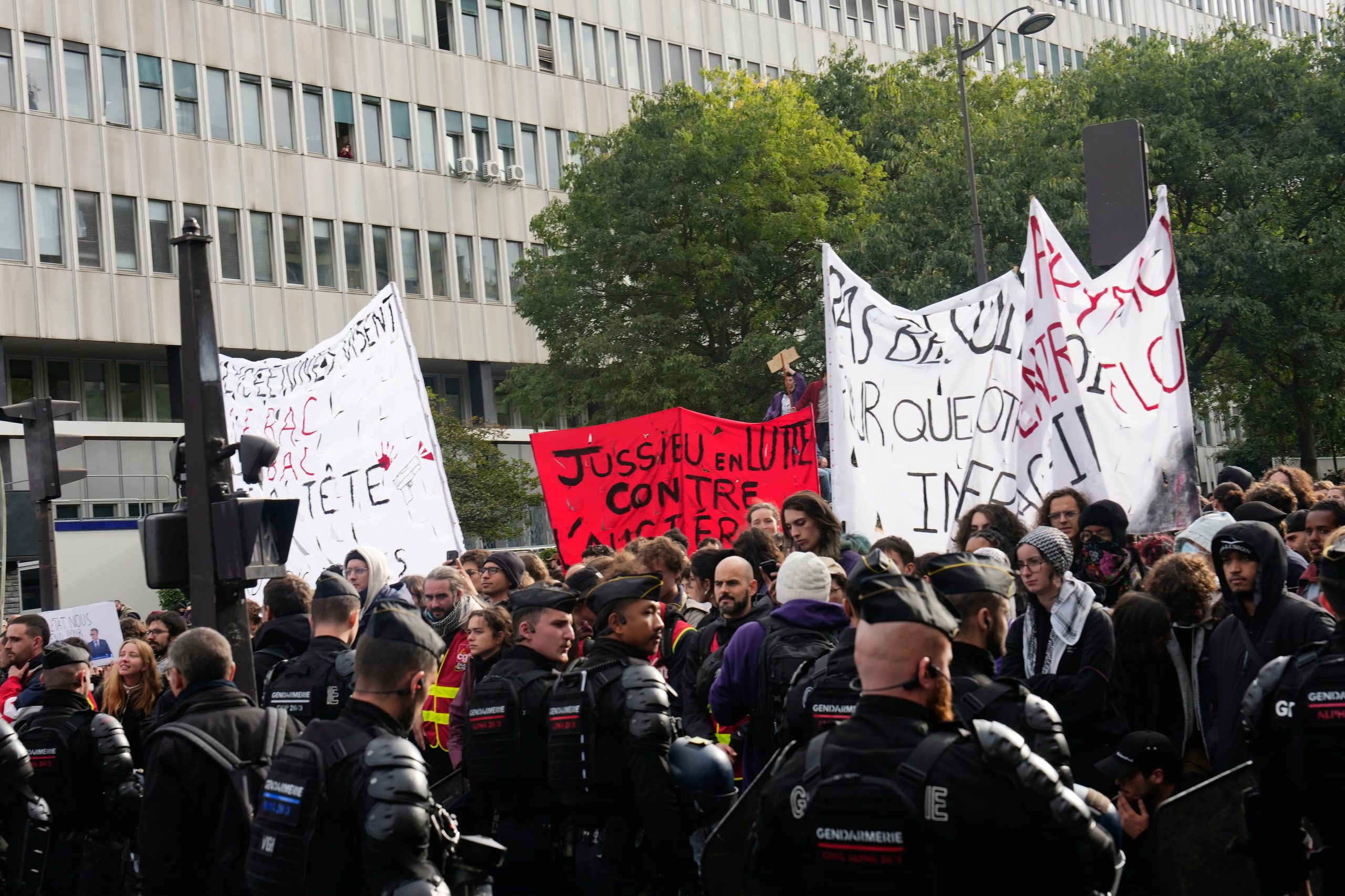
Paris has closed several major museums as France prepares for another day of protests on October 24. The move affects visitors hoping to see some of the capital’s best-known cultural sites. It also shows how the recent unrest has reached beyond politics and public safety, disrupting tourism, local businesses, and everyday life across the city.
The Louvre and the Musée d’Orsay were among the major museums reported closed for the day. Other cultural venues also changed their plans as officials assessed the risk of fresh disorder. These decisions were made after violent incidents last week left shops damaged, cars burned, and public buildings attacked. Authorities want to avoid a repeat of those scenes while allowing people to move around the city as safely as possible.
Paris depends heavily on tourism. Museums, galleries, cafes, hotels, shops, and guided tours all rely on visitors who come to see the city’s art, history, and architecture. When a major attraction closes, the effects can spread to nearby businesses. Tourists may cancel a visit, change their plans, or spend less time in the area. Small firms can lose income even when they have done nothing wrong.
The closures also affect residents. Museums are not only tourist attractions; they are public spaces where people can learn, meet, and enjoy cultural events. A day of closure can disrupt school trips, planned visits, and local programmes. People who have booked tickets may need to seek refunds or find another time to visit. Visitors arriving from abroad may have little room to change their travel plans.
The decision reflects the difficulty of protecting public spaces during periods of unrest. Museums often hold valuable collections and receive large numbers of visitors. Their buildings may also be located in central areas where crowds gather during demonstrations. Closing them can reduce risks, but it can also create frustration among people who have travelled long distances to visit.
The wider protests are linked to concerns about living costs and school conditions. Demonstrations have grown into a national political issue, with some marches remaining peaceful and other gatherings affected by violence. The government has announced a major security deployment to prevent further damage. Police are expected to use a mix of patrols, traffic controls, and rapid response teams to manage the situation.
Shop owners and cultural organisations have taken precautions. Some businesses have protected their windows, moved outdoor furniture, or adjusted opening hours. These steps can help reduce damage, but they also add costs and make the city feel less welcoming. Visitors may be unsure which places are open or whether public transport will run as usual.
Tourists planning to visit Paris should check the opening status of museums and other attractions before setting out. They should also review local transport notices and follow instructions from authorities. A venue’s normal opening hours may not apply during a major public event. Those with timed tickets should check the provider’s latest guidance rather than assume that the booking remains valid.
The closures are a reminder that public unrest can affect a city’s cultural life as well as its politics. Paris will want to protect its museums, welcome visitors, and keep residents safe. Those goals depend on calm streets and clear public information. Once the immediate risks pass, the city will need to help cultural venues and local businesses return to normal while also addressing the concerns driving the protests.
