


PARIS, August 27, 2026 — France is changing some rules for traditional cheese makers as a severe drought puts pressure on farms. The move is aimed at helping producers keep making protected cheeses when dry land leaves cows with less natural feed.
The change affects cheeses such as Comté, Beaufort and Abondance. These products have strict rules that protect their taste and link them to a set area. The rules also control how the milk is produced. That can include the type of feed given to cows.
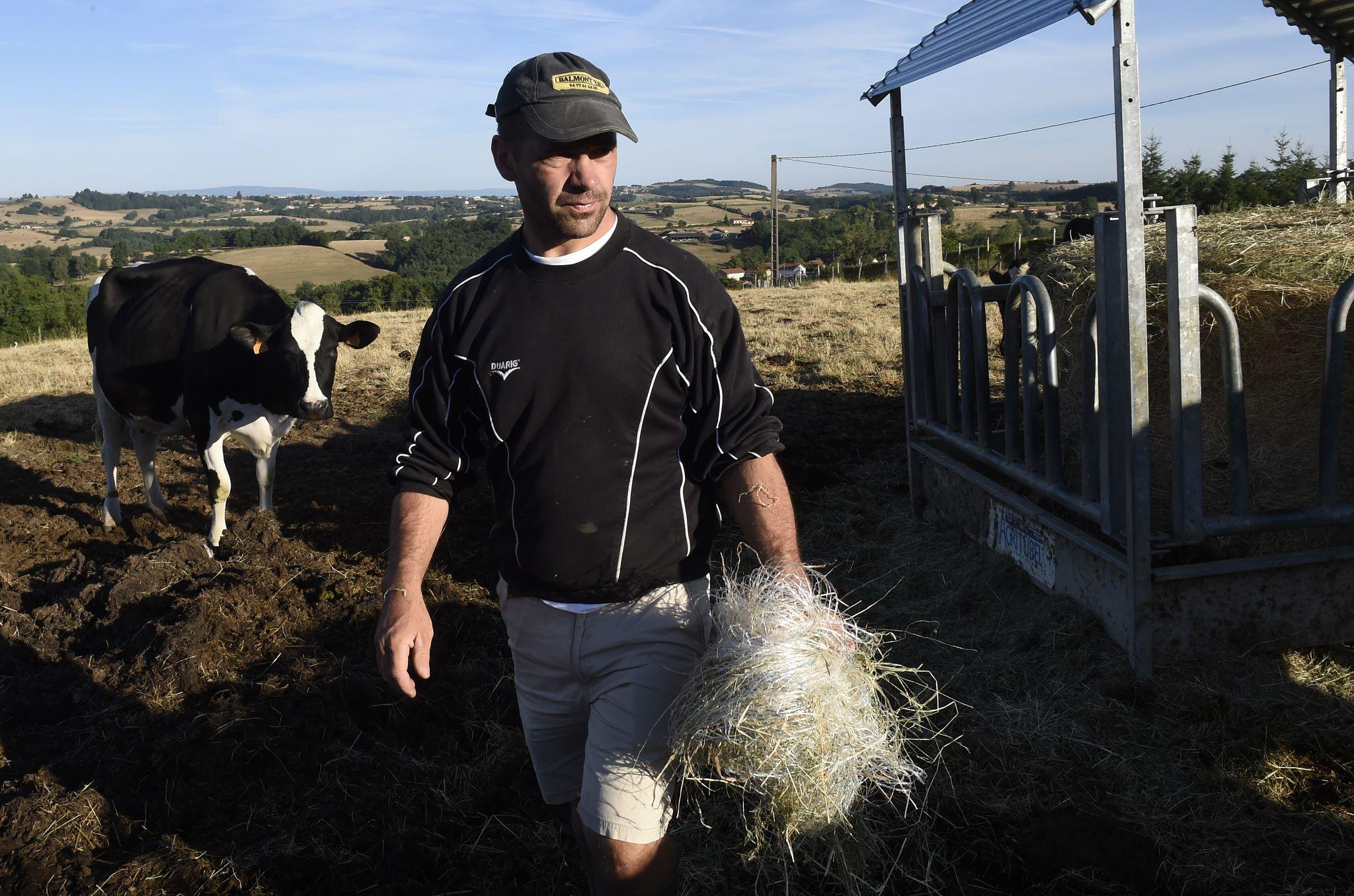
This summer, those rules have become harder to meet. Much of France has faced intense heat and very dry land. Pastures that normally provide fresh grass have been damaged. Farmers have seen less feed for their cattle and lower milk output.
The French government is now allowing some temporary changes. Farmers can use extra feed brought in from outside their normal pasture areas. They can also use grain in cases where the usual grass based diet is not possible. The goal is to protect both farms and cheese production during the drought.
The changes show how extreme weather is affecting a part of French life that is tied closely to local land. Traditional cheese is not just a food product. It is also a key part of rural business and local culture.
The pressure on farms is wider than cheese. Recent reports say France may face a large fall in its potato harvest. Fruit and grape crops have also suffered from dry and hot weather. Farmers are warning that the damage could last beyond one season if water supplies do not recover.
The problem has also raised concern over the future of protected food products. These foods depend on strict local methods. Those rules help protect their name and value. But they can also leave farmers with fewer ways to respond when weather changes fast.
French officials are therefore facing a difficult task. They must help farmers while keeping the basic identity of protected foods. A short term change may give producers time to cope. But a long drought could force a wider debate about how food rules should work in a warmer climate.
The crisis is also a warning for rural areas. Cattle need enough food and water to stay healthy. Less grass means farmers may need to buy more feed. That raises costs at a time when many farms are already under pressure.
The drought has made this problem more urgent. France has seen repeated heat events in recent years. Scientists have linked the rise in extreme heat and dry periods to a warming climate. Such weather can affect crops, livestock and water supplies at the same time.
The government may expand relief to other cheese makers if conditions remain hard. Possible producers include makers of Reblochon, Cantal, Bleu d’Auvergne and Fourme d’Ambert. Any wider change would need to balance emergency support with the rules that protect the quality and history of these foods.
For French farmers, the issue is simple. They need enough feed to keep their cattle productive. For cheese makers, they need enough milk to keep production going. For consumers, the changes may help keep familiar foods on shop shelves.
The wider lesson is harder. France is having to adapt old farming rules to new weather risks. The French cheese rules were built around local land and long traditions. Now, that land is being tested by heat and drought.
The coming months will show how long the temporary changes are needed. They may also shape a larger debate about farming, climate risk and the future of France’s best known regional foods.
